Having escaped 16C in La Hermigua and made our way back to San Sebastian (a 30 minute drive and a balmy 21C when we arrived), the catamaran back to Los Cristianos was smooth, easy and quick. There were still problems with doors though (this time for foot passengers).
The last two nights of this trip were spent in San Cristobal de la Laguna, which lies in the foothills north of the capital of Tenerife, Santa Cruz.
We had thought to explore the national park in the easternmost part of the island, but when we woke up it was cloudy, spitting slightly and cold and, as the park would have involved higher altitudes (and lower temperatures) we chose to give it a miss.
Instead we walked around La Laguna, one of the oldest towns on the island, visited the museum, and a church.
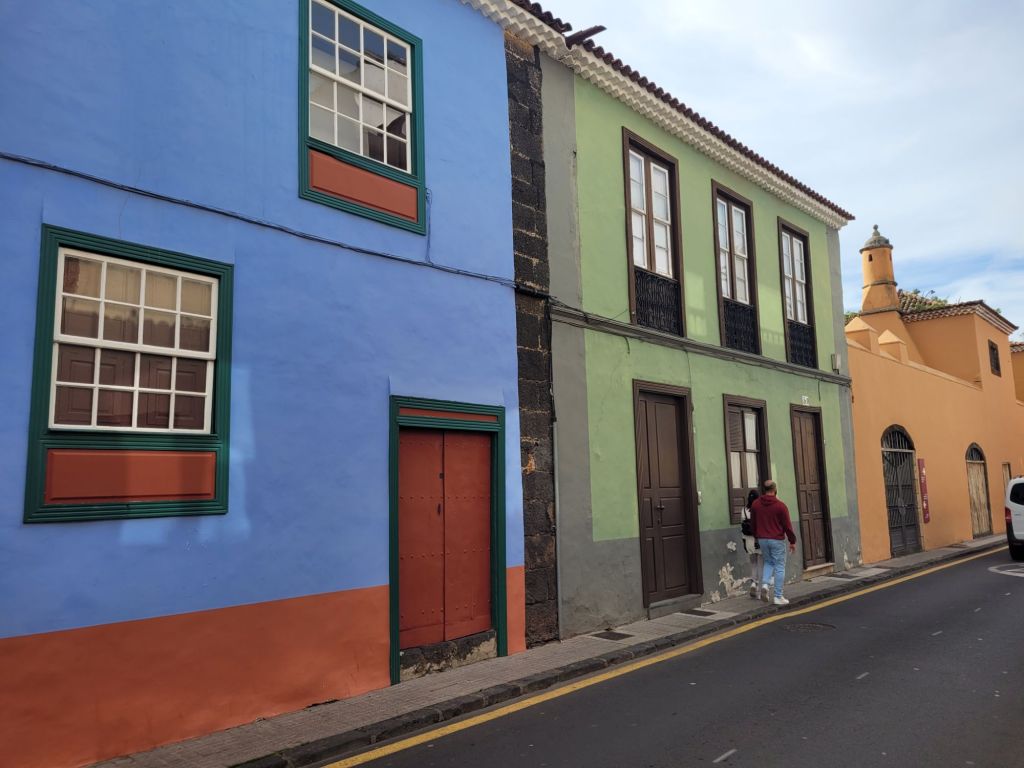
La Laguna was the first capital of Tenerife, built in the mid 15th century, and built as a town without walls. As a consequence, it’s set out on a grid pattern, with quite wide streets and none of the narrow winding streets you see in older towns on ‘la peninsula’. The historic centre of the town is pedestrianised and is flat. Thank God!
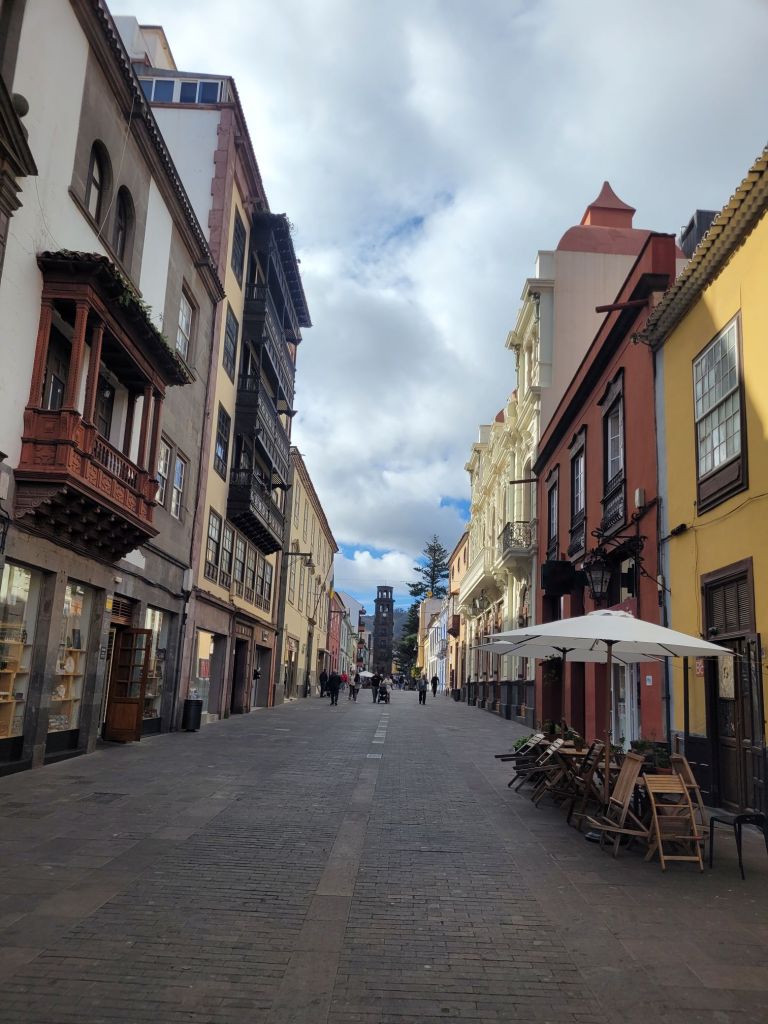
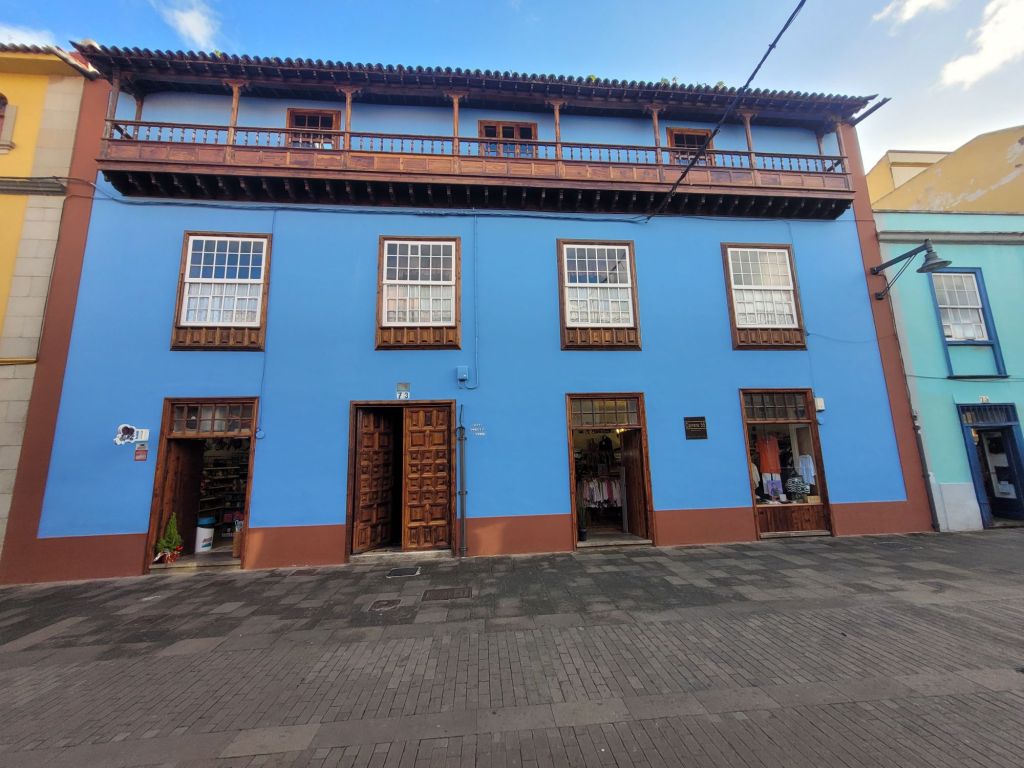
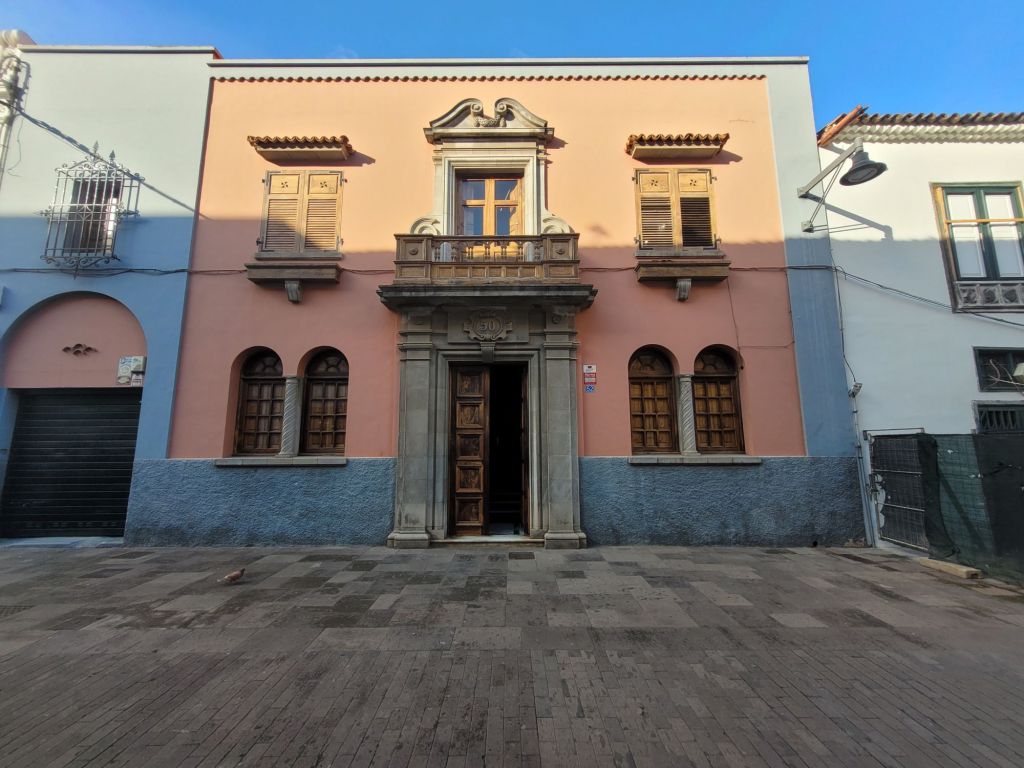
There are small houses, large houses, palaces, a convent and a few churches, all within easy walking distance of other.
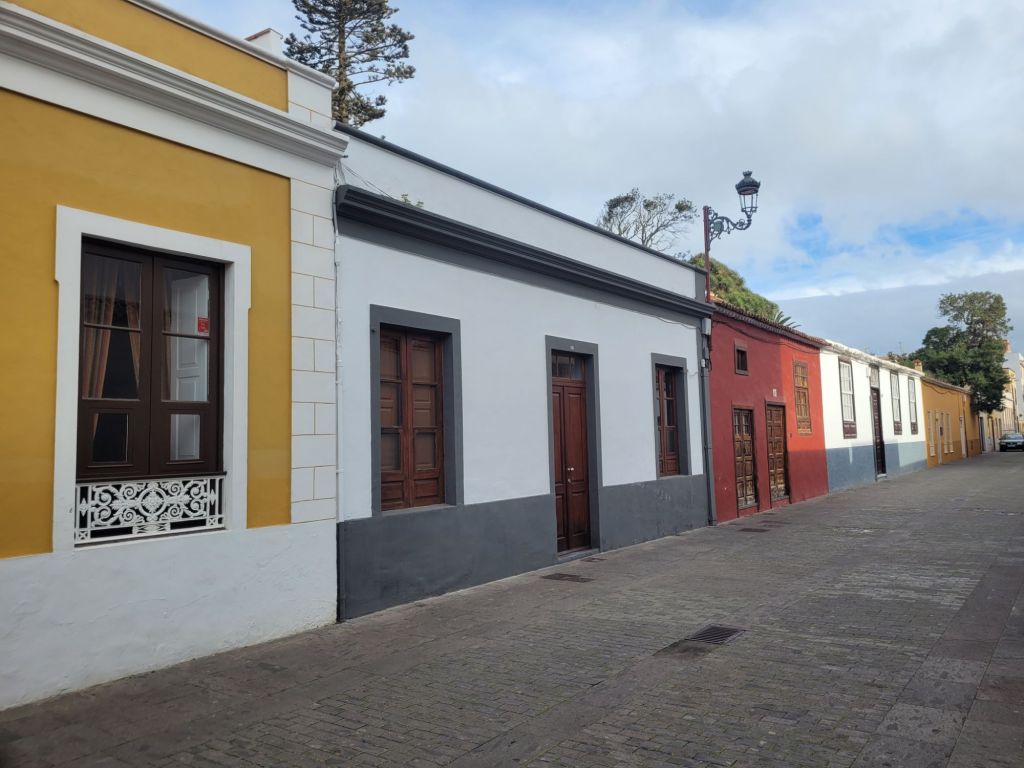
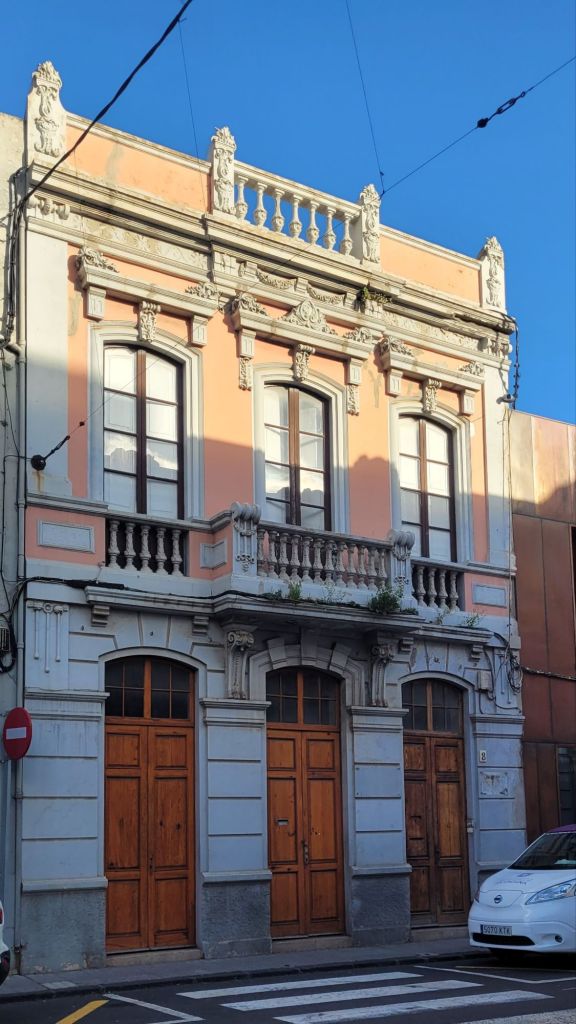

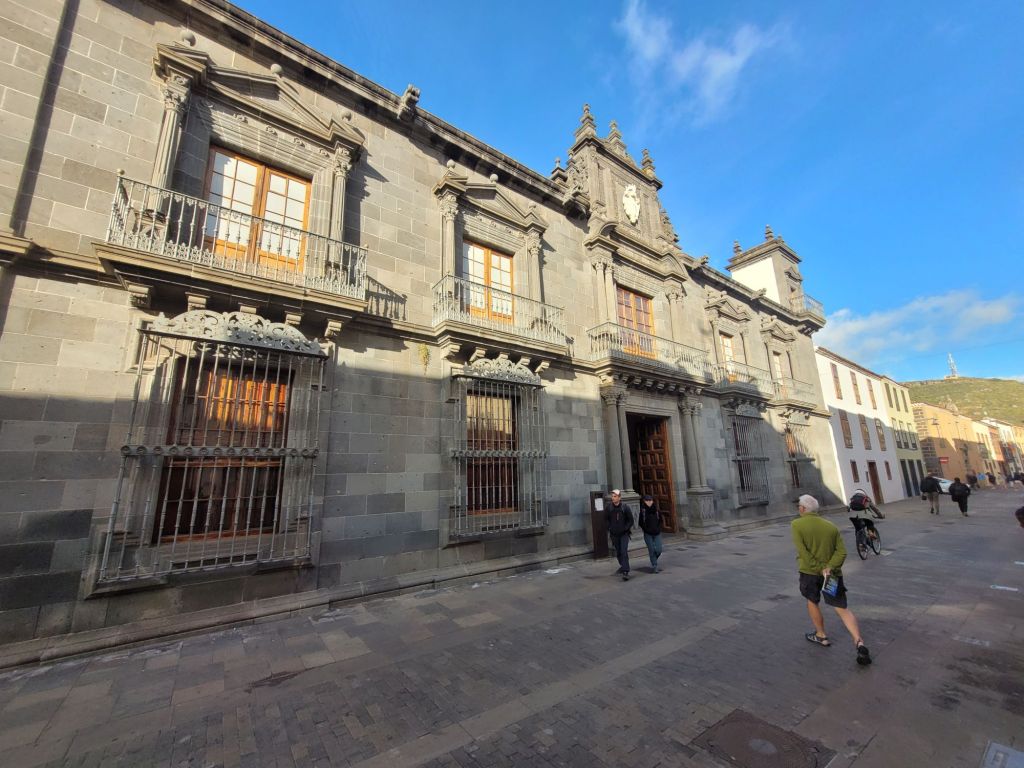

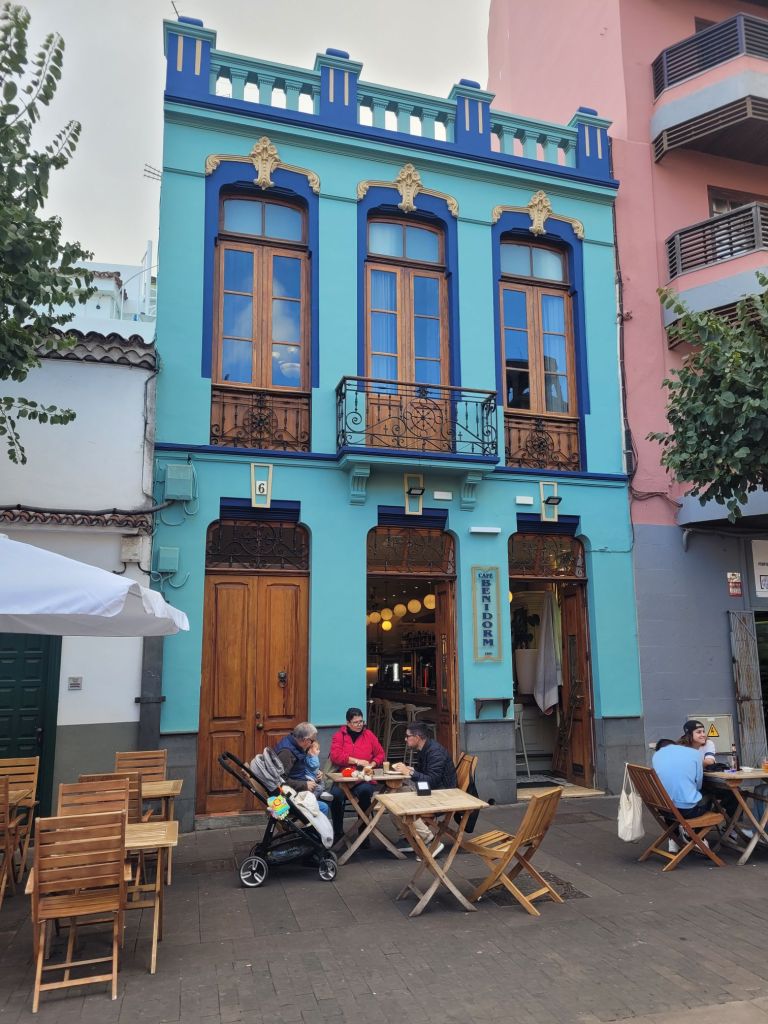
Like most places we have visited on this trip, they like colour – in some cases, quite bright colours!
There are two significant churches. Nuestra Senora de la Concepción was the first parish church in Tenerife. It has a simple exterior (albeit large) and ornate Mudejar ceilings, as well as wonderful woodwork.
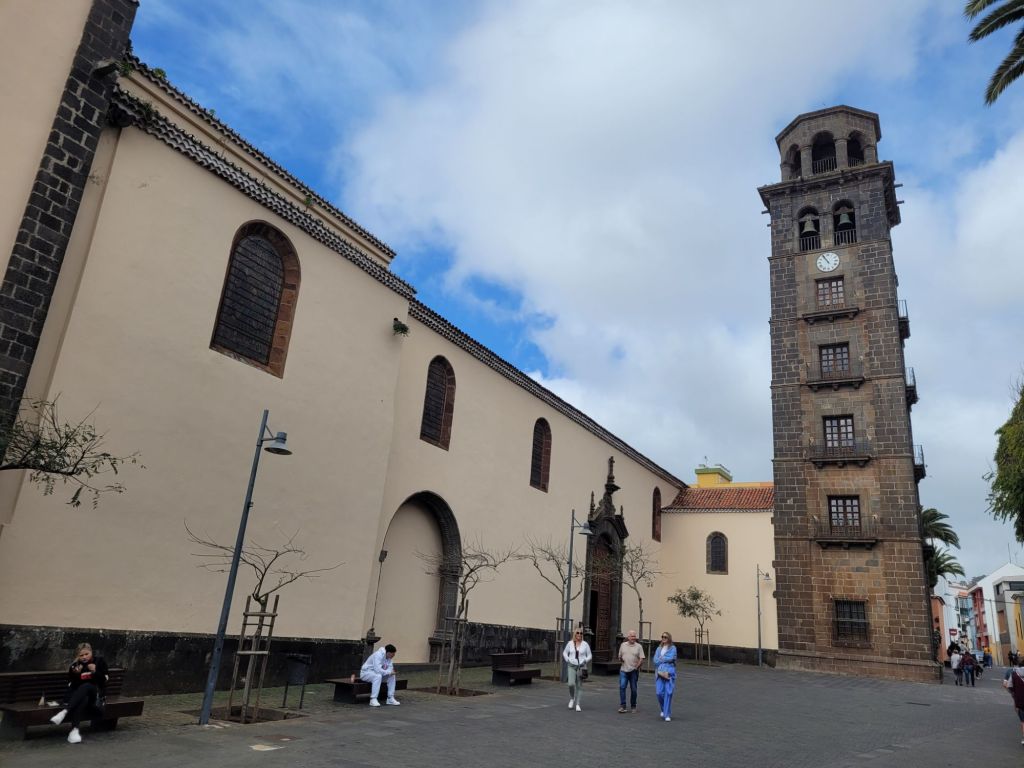
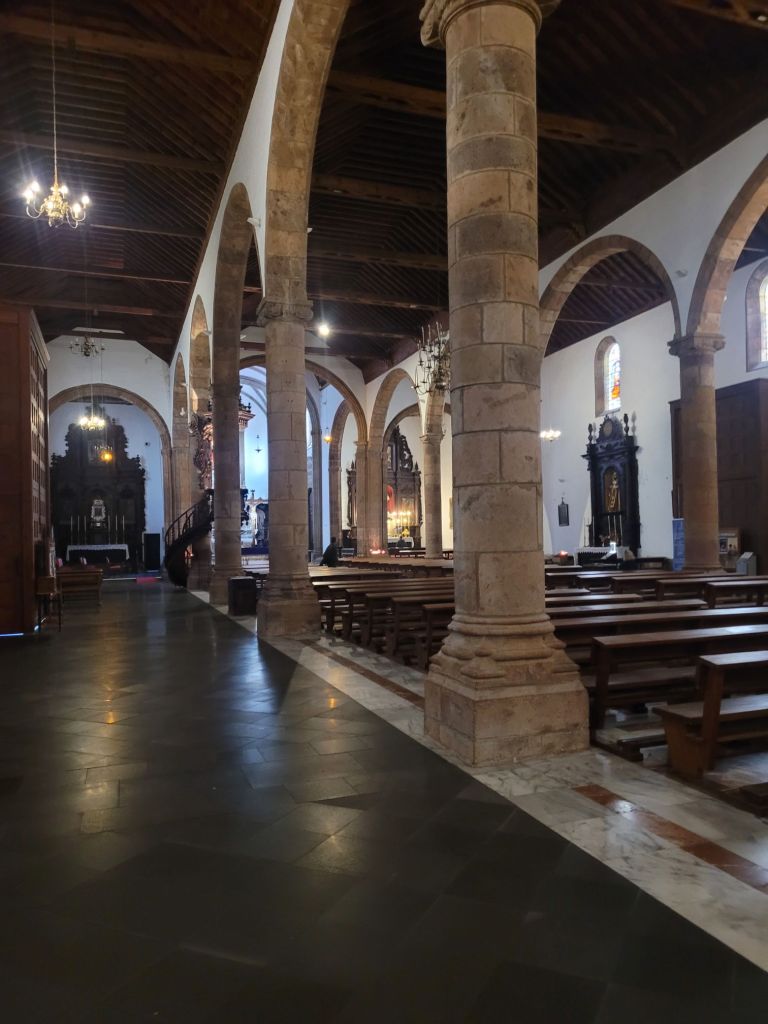
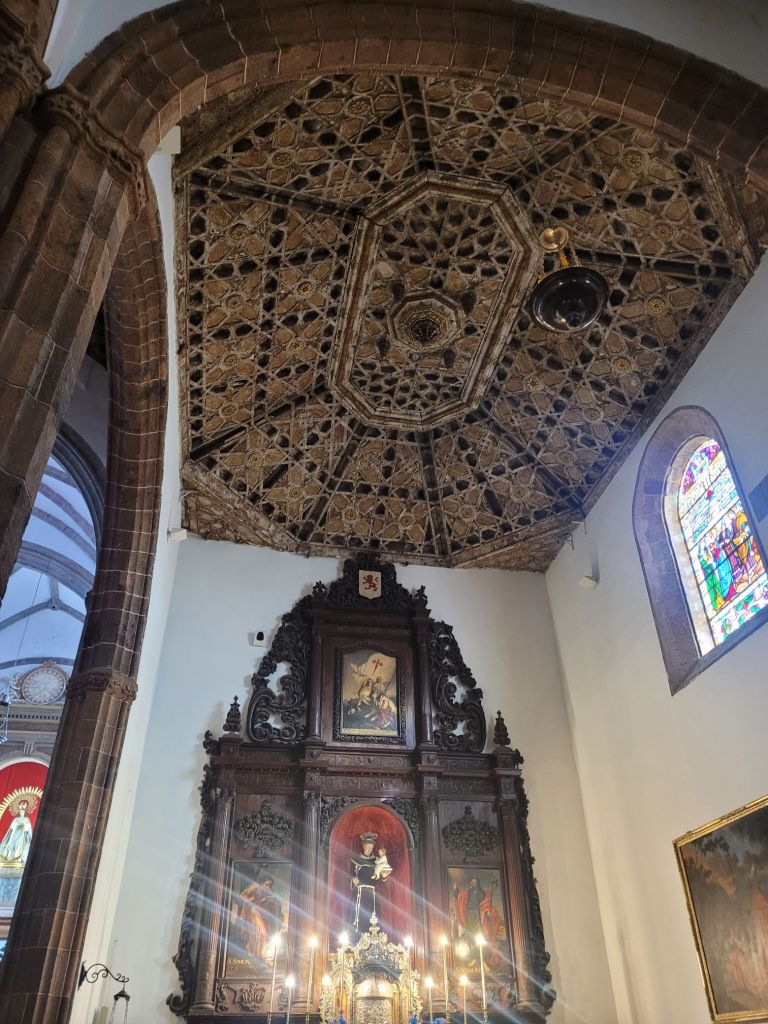

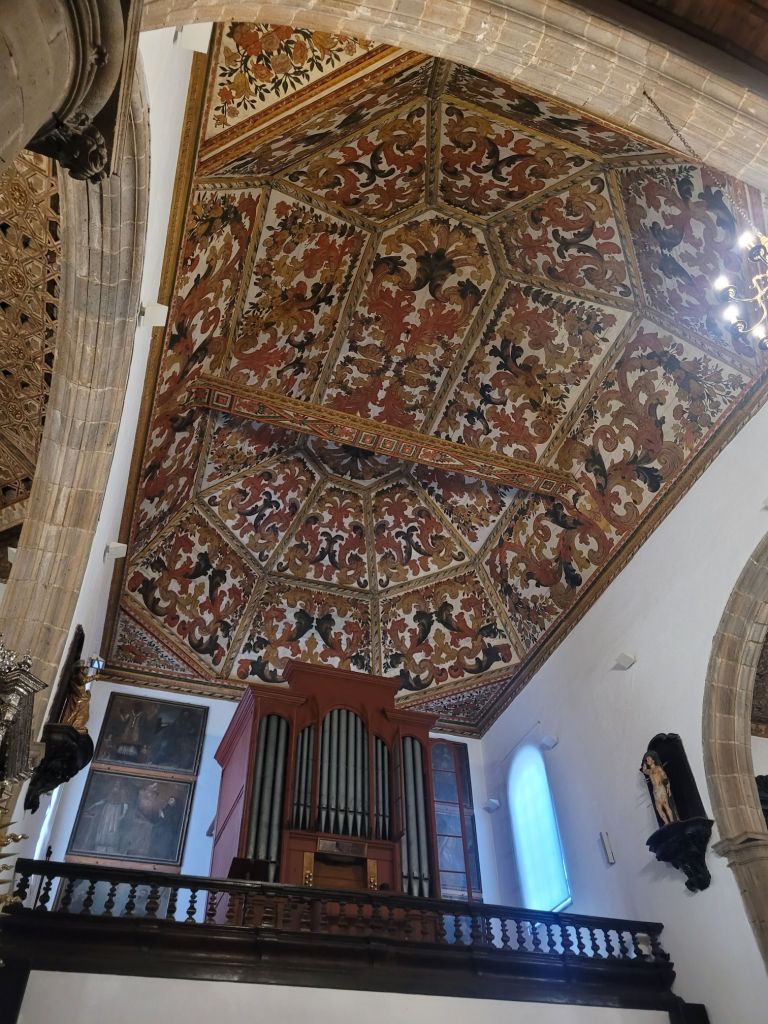
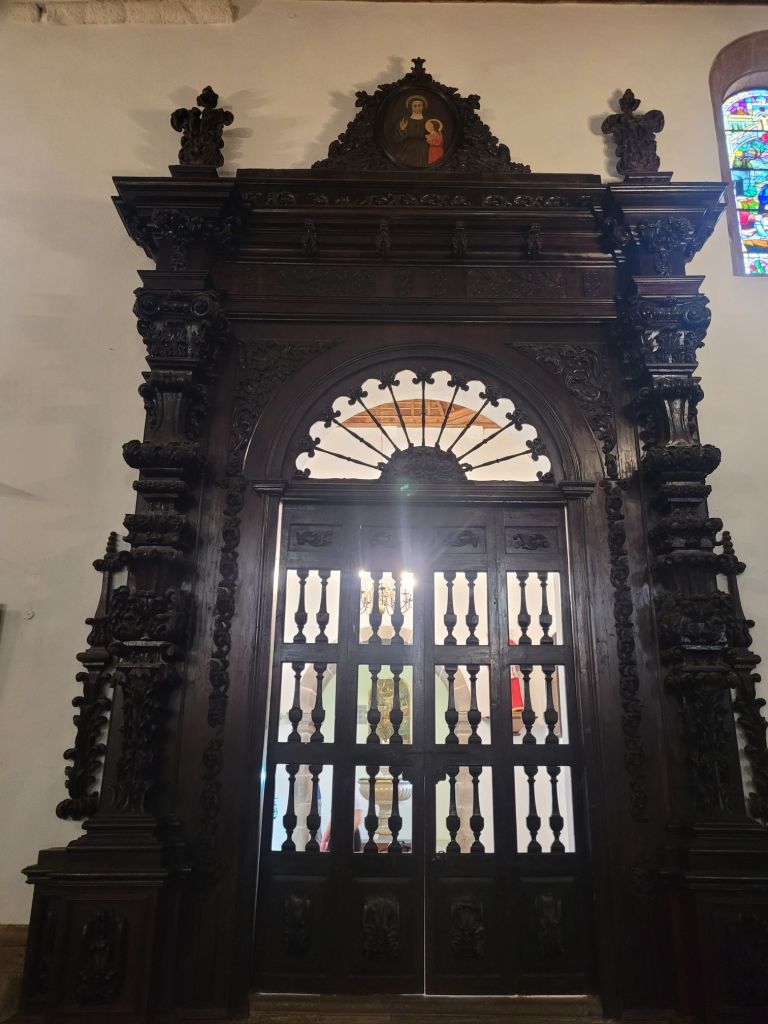
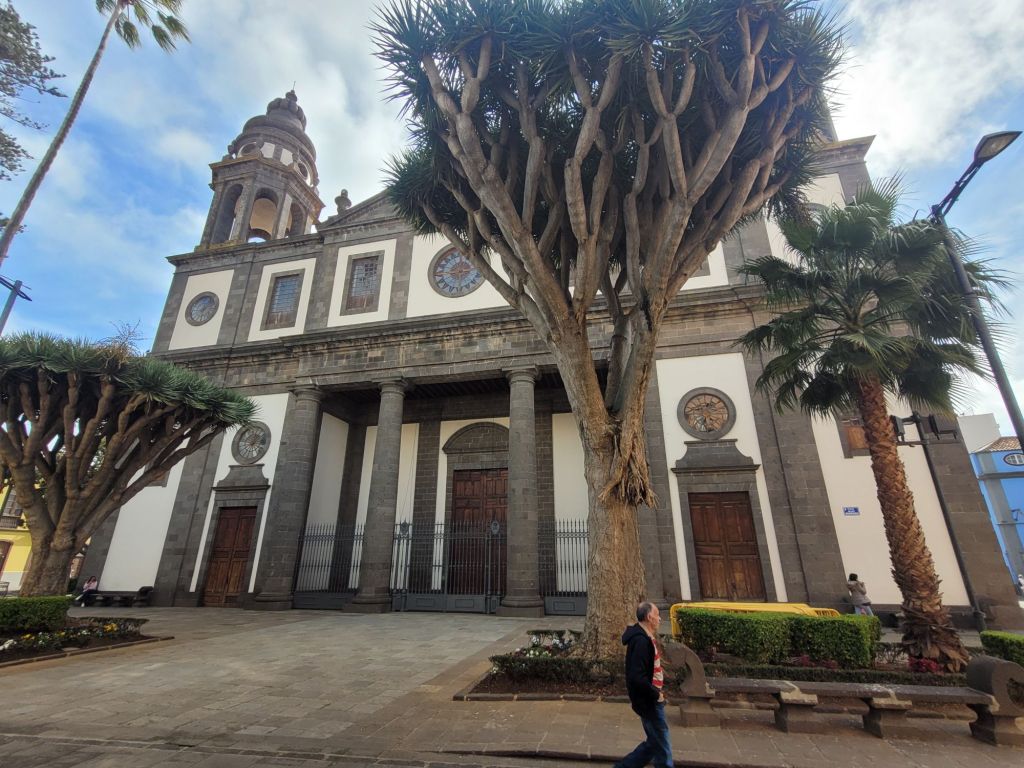
The cathedral was only finished in the early part of the 20th century and charged a LOT to look round. So we didn’t.
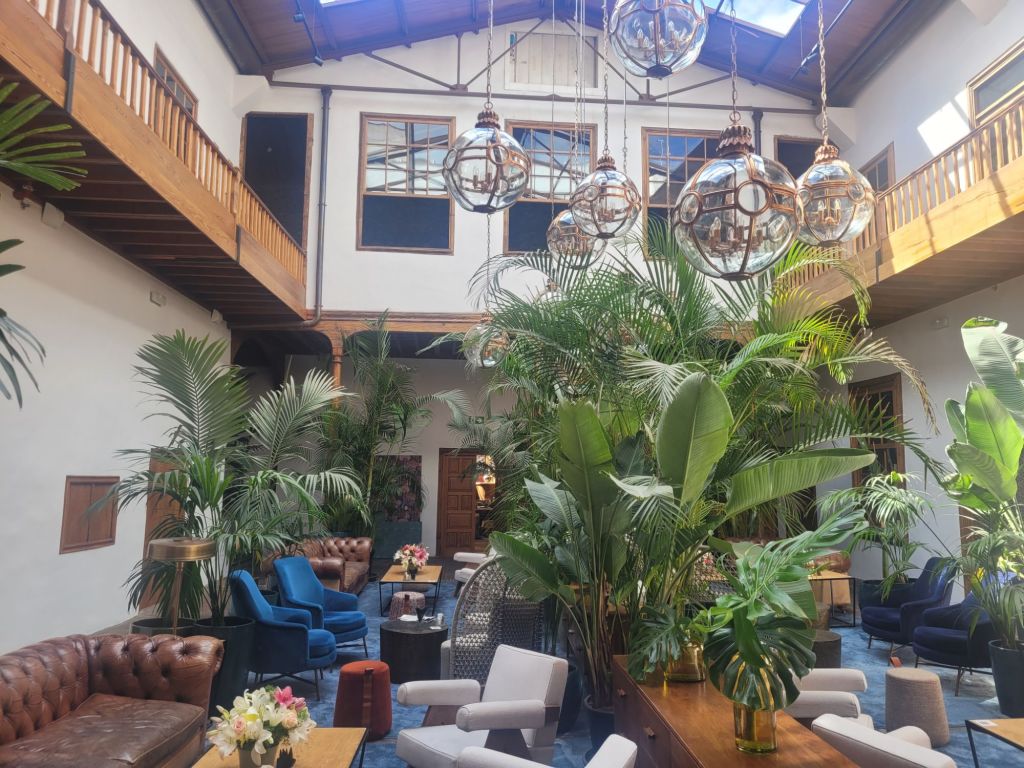
Many of the larger ‘palaces’ have lovely courtyards. Some of these buildings are now hotels (their patios are covered), some are museums and some are government buildings. All the patios are lovely!
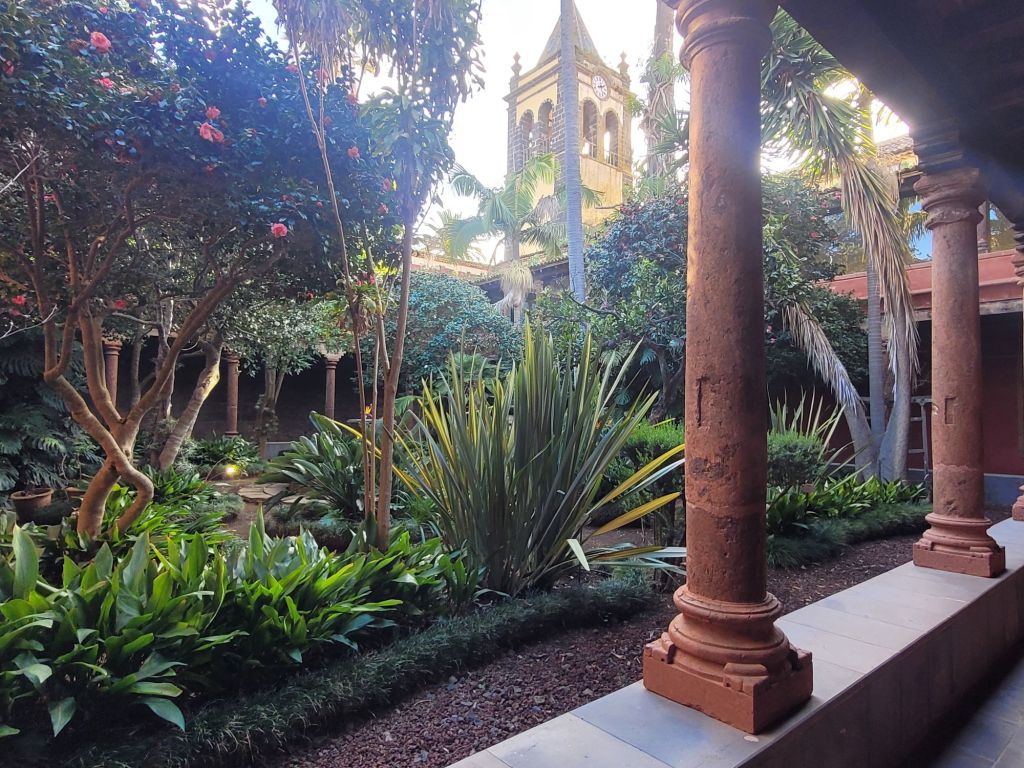
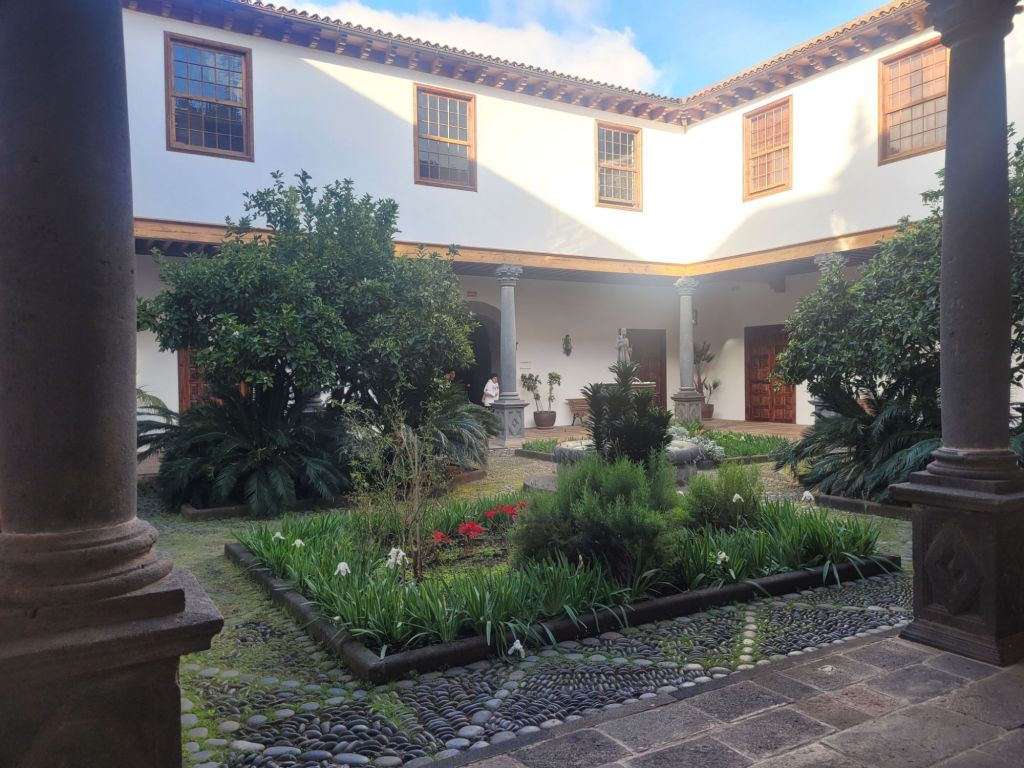
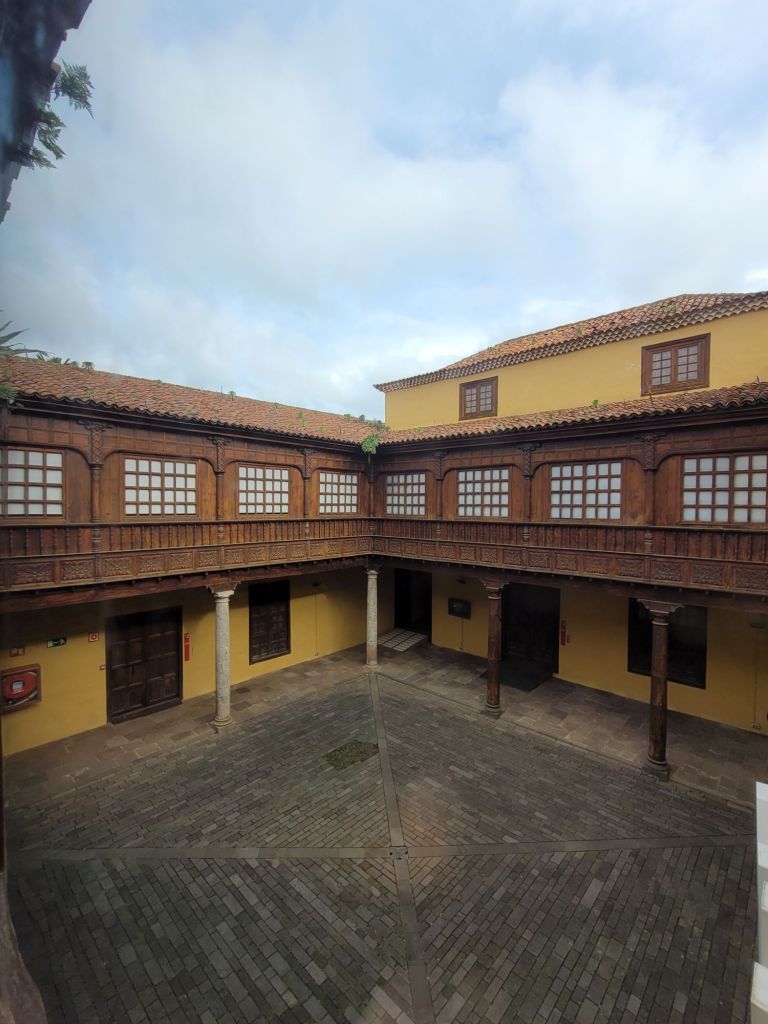
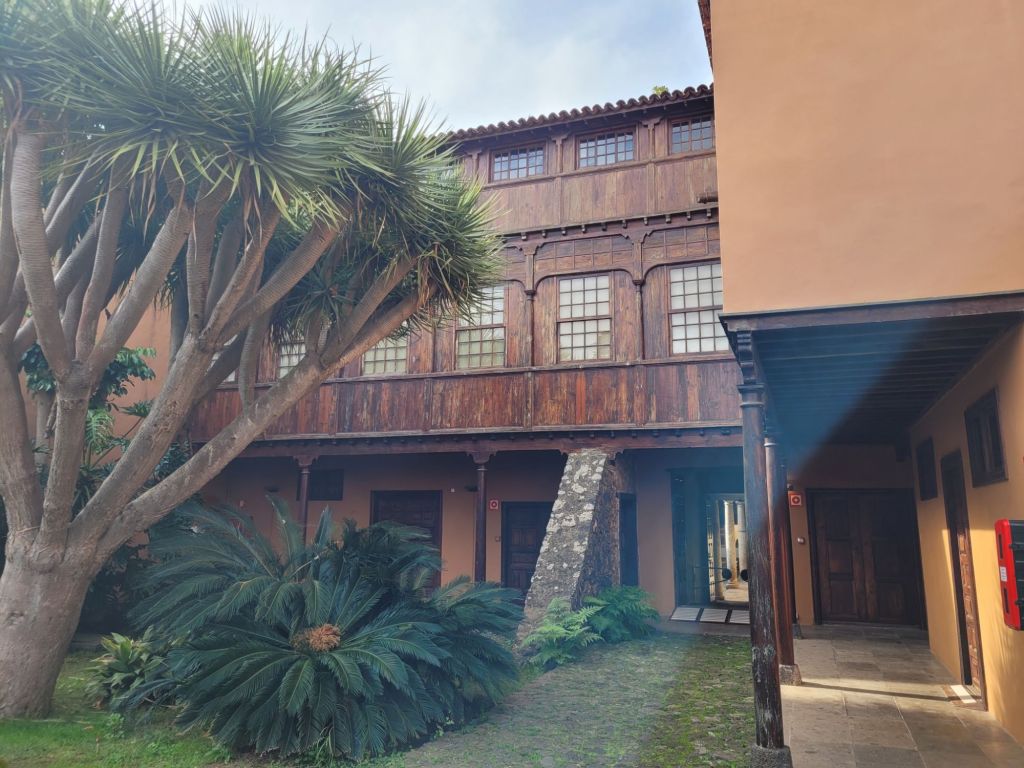
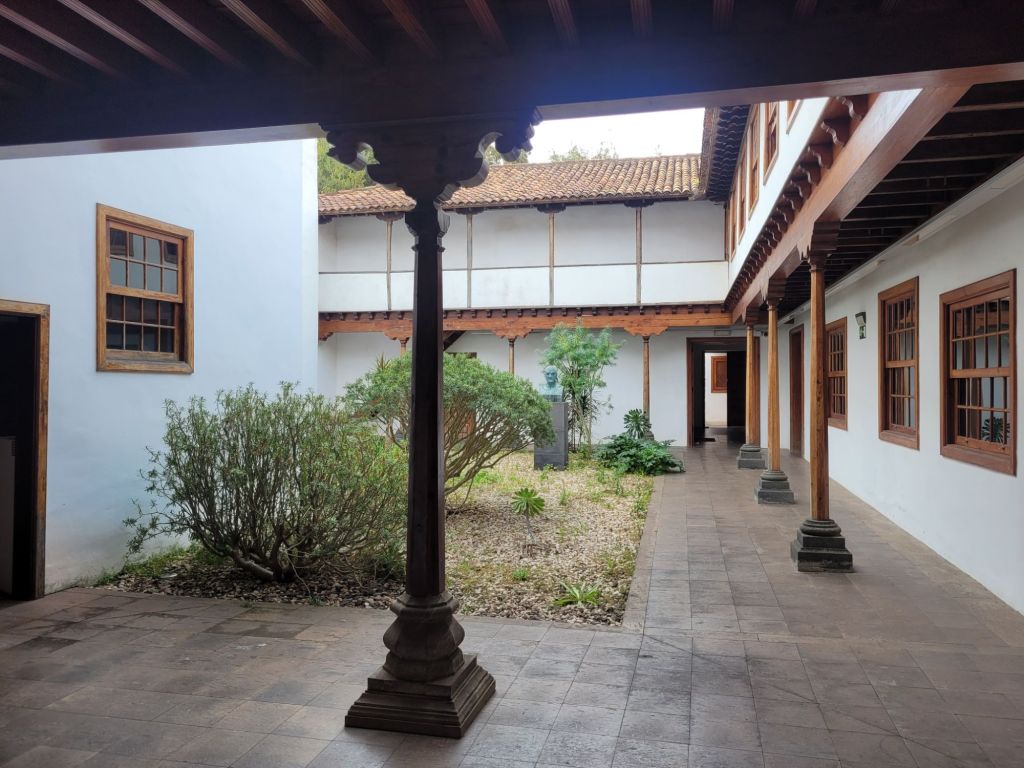
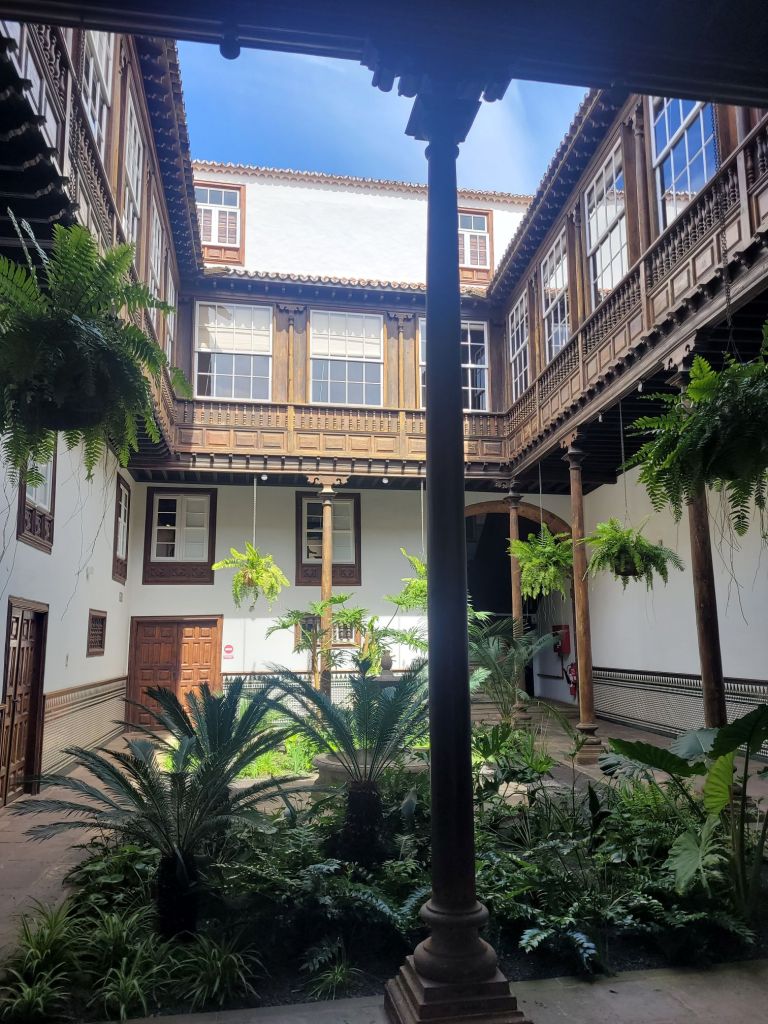
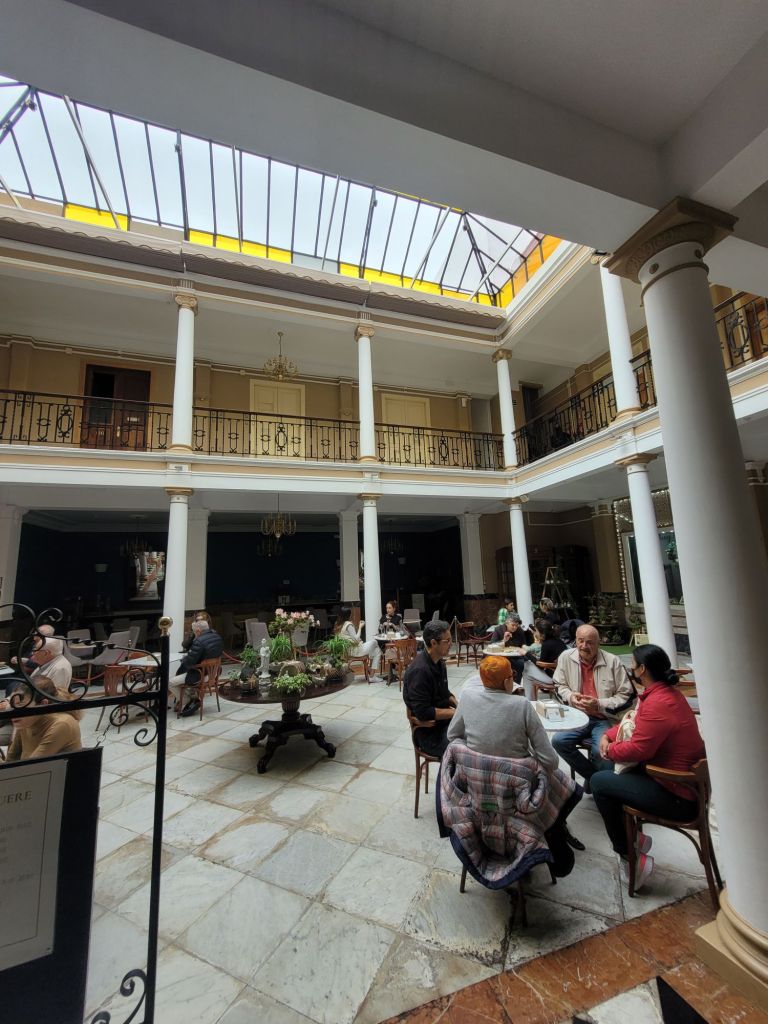
Clearly, if you had money, life would have been quite nice!
We would have visited the convent, to look round the building rather than appreciate the sacred art, but as we stopped in, there was a woman asking to purchase containers with holy water, and questioning if it had been blessed by a priest. We left fairly briskly!
La Laguna is a university town (founded in the late 18th century) so it has a good mix of generations and a reputation for having a lively nightlife (not that we witnessed it). We ate well, drank well and enjoyed our walks around the city centre. The museum was excellent, housed in a magnificent late 16th century building, with a very well presented permanent exhibition about the history of Tenerife.

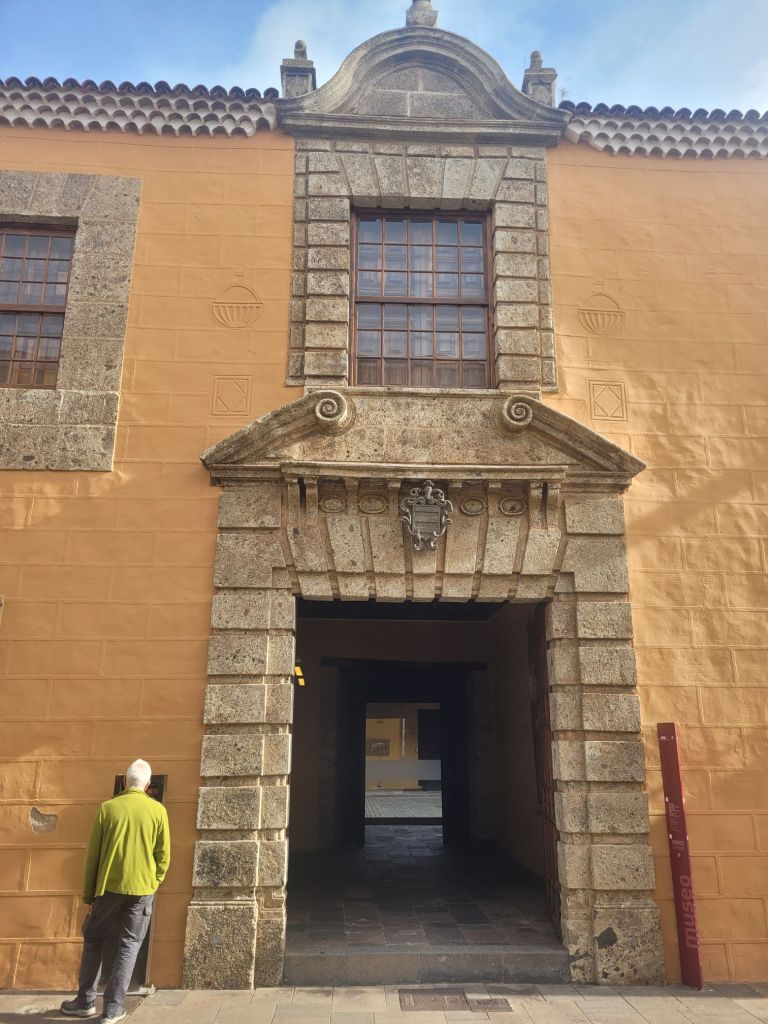
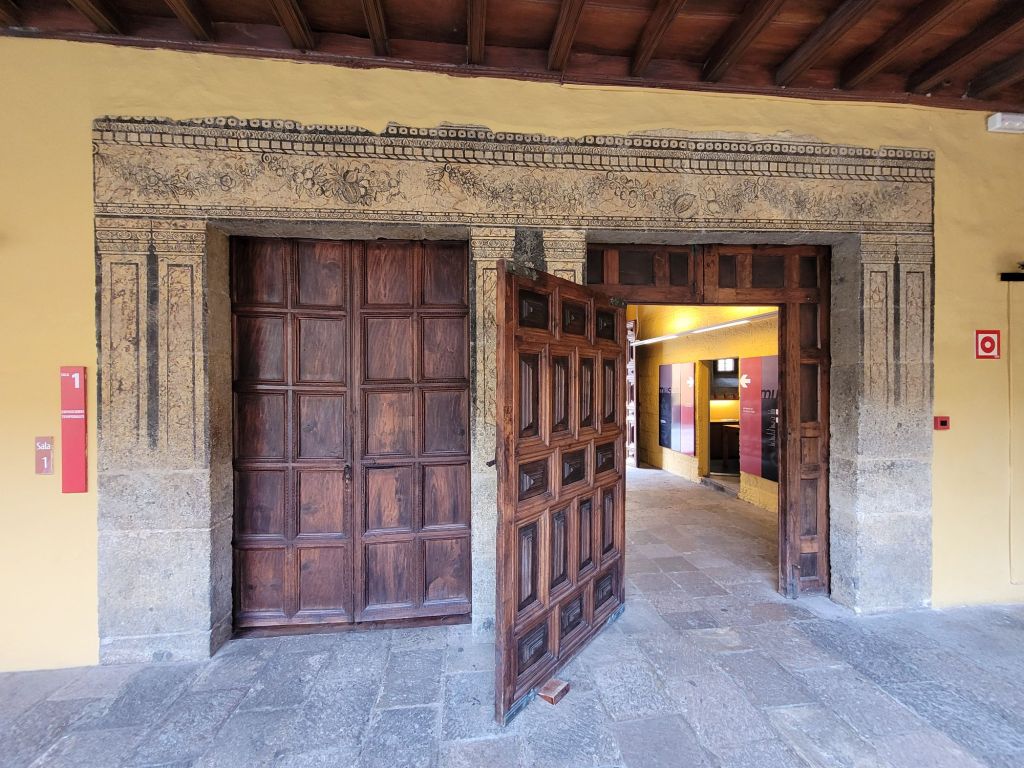
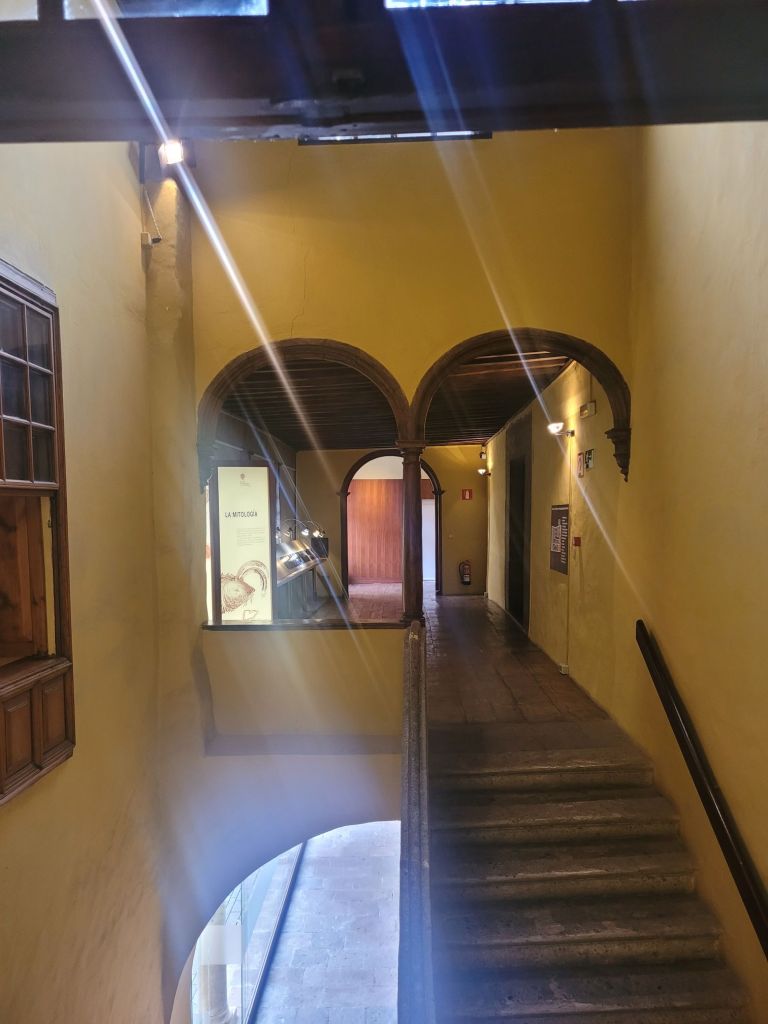
It made for a good contrast to the rest of our travels at the end of our trip.
 Retired? What now?
Leave a comment