When Austria was first mooted as a destination, my first thought was ‘but I don’t ski’ and my next thought was ‘mountains’. Subsequent thoughts included (in no particular order): the Waltz, The Sound of Music, Viennese coffee, the Spanish Riding School, not knowing any German whatsoever. But not much else.
I was then reminded of the importance of the Celtic remains in various parts of Austria (particularly in the West) and the availability of an Austrian friend who wanted to travel with us (thus eliminating the language problem). The timings worked, the flights were reasonable and wine and pastry were mentioned (several times). I was sold.
Our first stop was the Saltzkammergut Lakes area; after picking up a car from the airport, we headed East.
Quick word of warning: car hire from Saltzburg airport seems to have a bit of a poor reputation for car hire, with companies gouging tourists for ‘unseen’ damage when returning the car. We checked our car meticulously, only to have our doubts (and pictures) dismissed as irrelevant. Apparently pictures are sufficient if there are any queries. We’ll see.
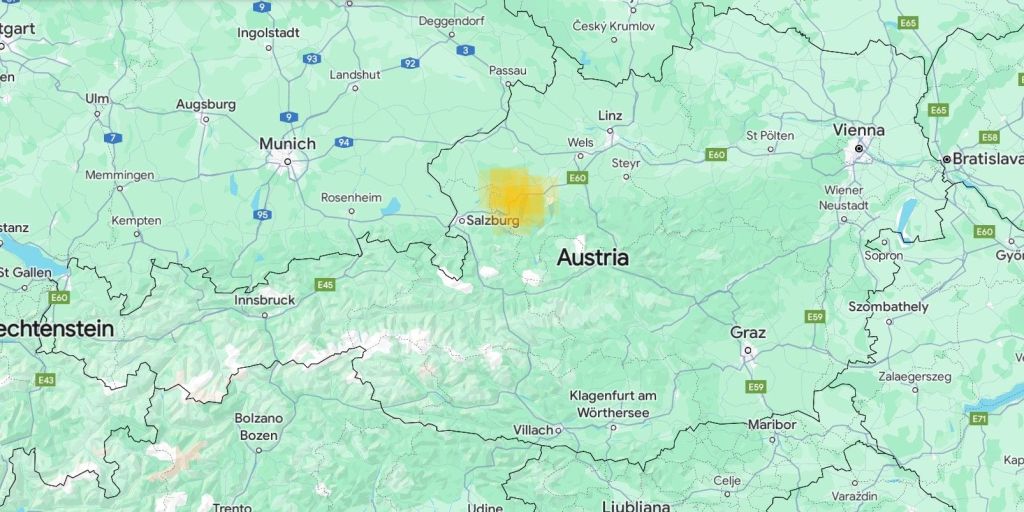
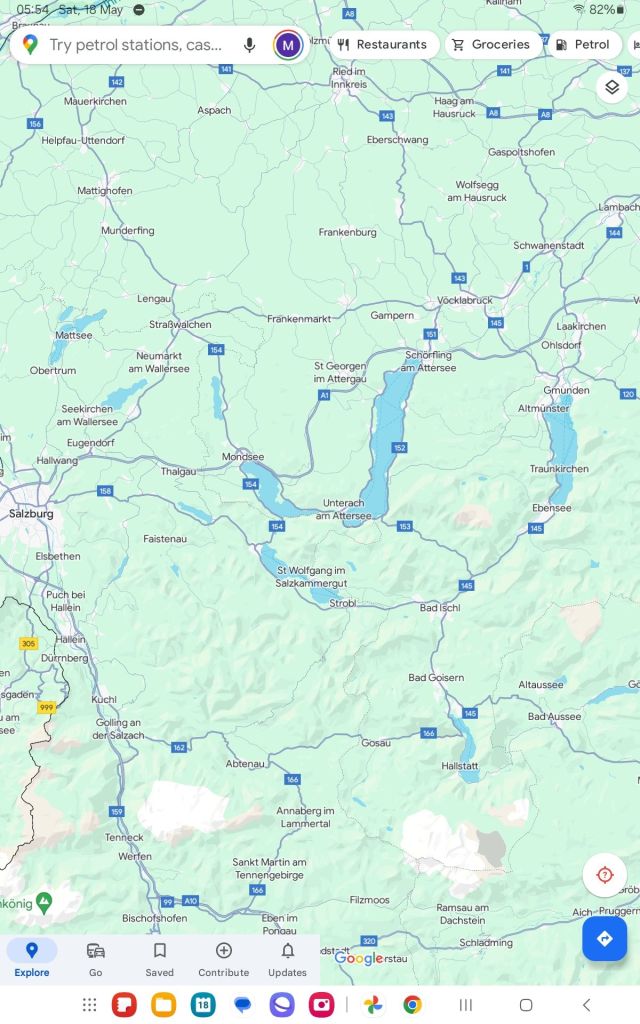
‘Saltz’ – think about it. It may seem obvious but the prefix of all these place names means ‘salt’. The Saltzkammergut region is home to Hallstatt, the site of salt mining from prehistoric times (more of this later) and the presence of the salt industry gave this area not just its names but also its importance (yes, the Romans were here too). A Hapsburg Imperial estate (specifically the salt mines), the area became known for its spas in the 19th century, attracting ‘health’ tourism. Famously the Empress Elisabeth, wife of Franz Joseph I, was said to have been ‘cured’ of her infertility after visit to Bad Ischi (yes, more of this later too).
Hugely popular with Austrians, it’s a relatively unknown area outside of Austria and the question is, why? Why don’t more external tourists come here?
Glacial lakes, snow dotted mountains, woods, lush meadows flecked with wild flowers – it’s stunningly beautiful. And tranquil. And clean. And not very busy. (Although August is apparently heaving).

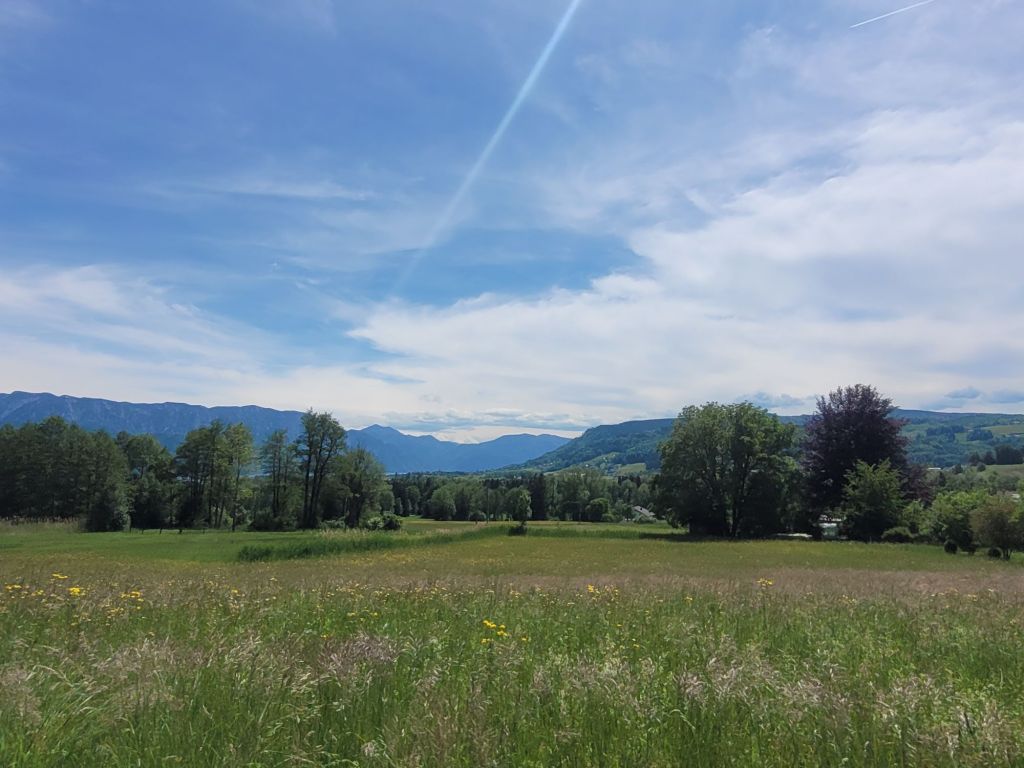
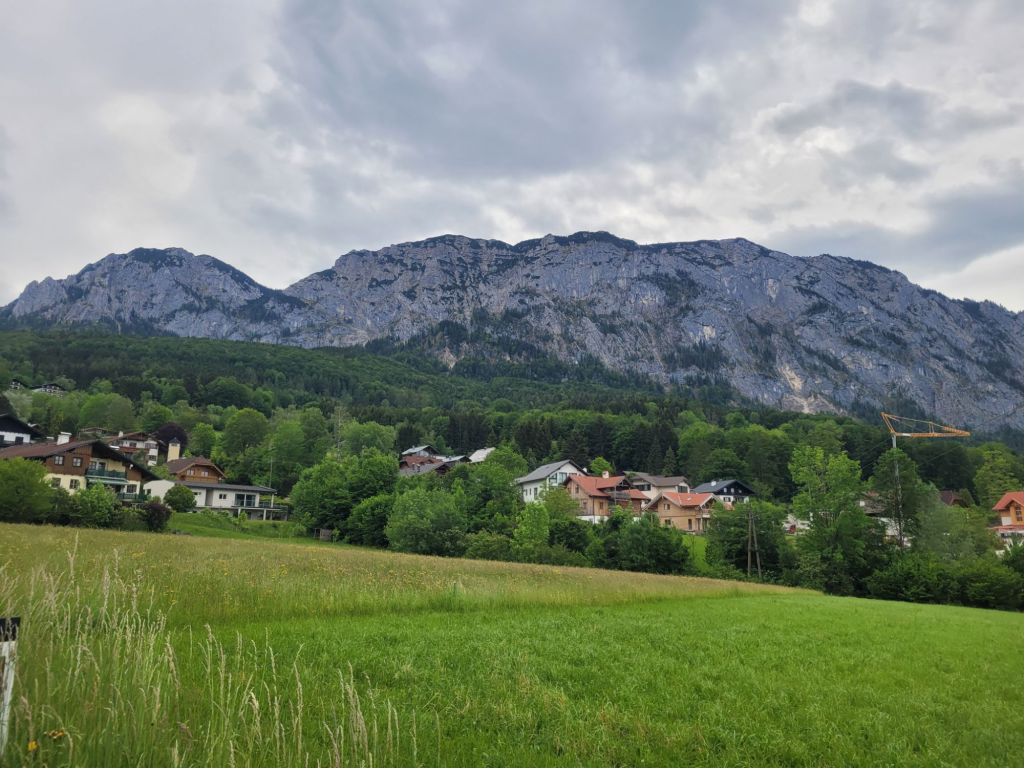
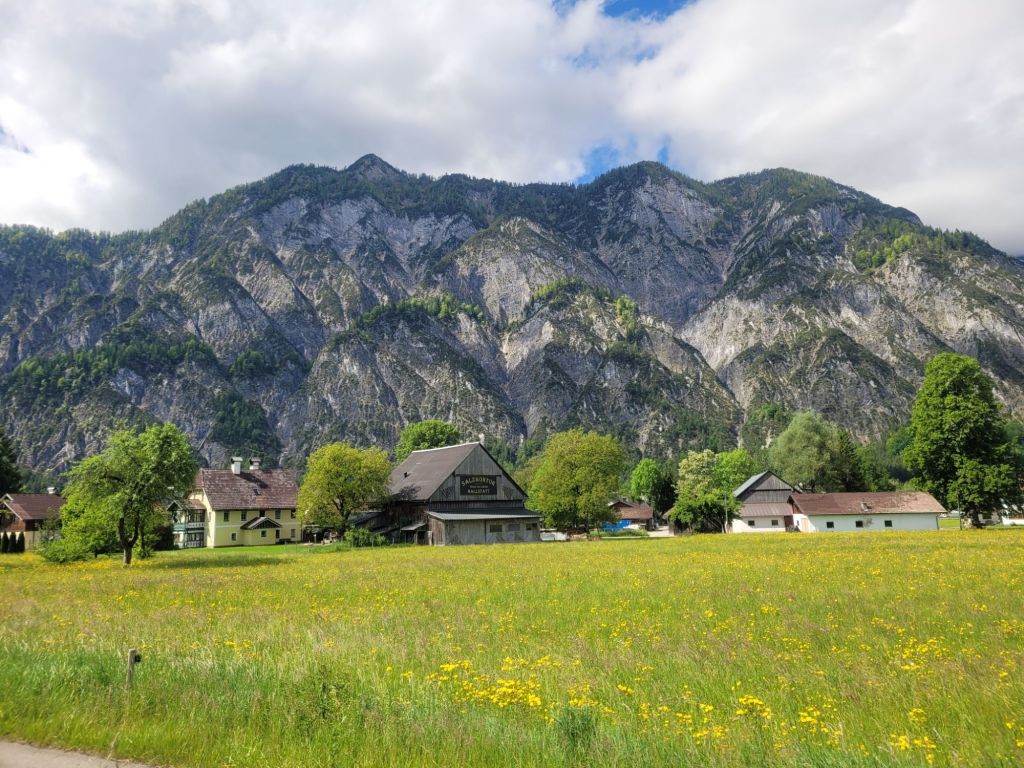
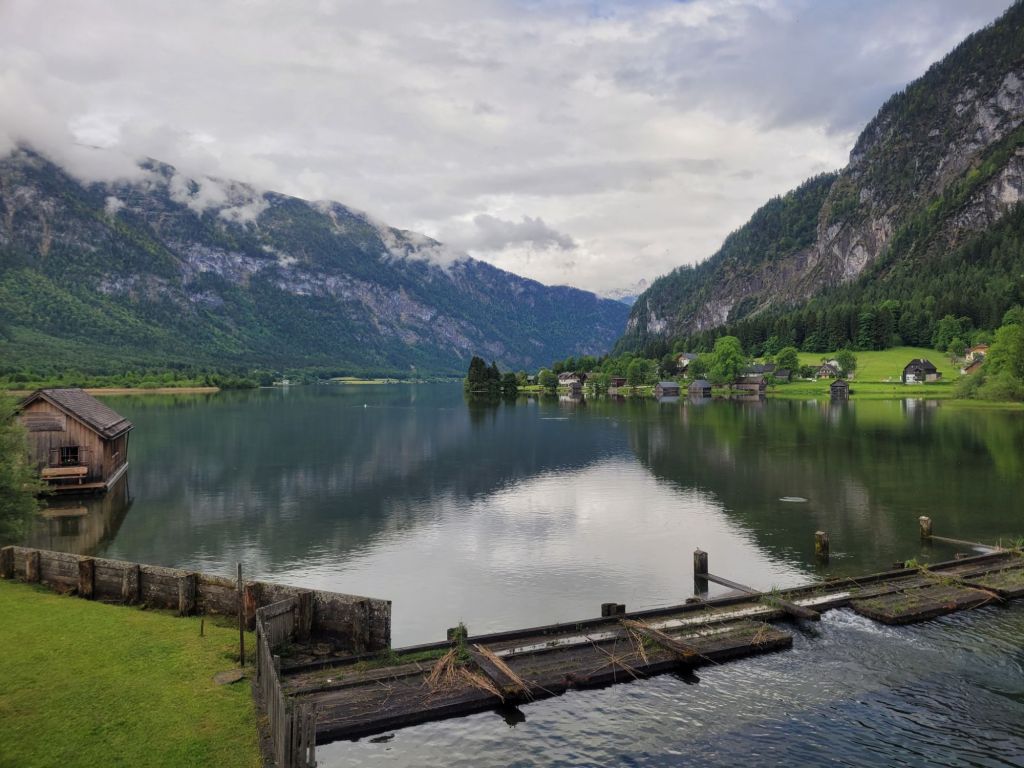
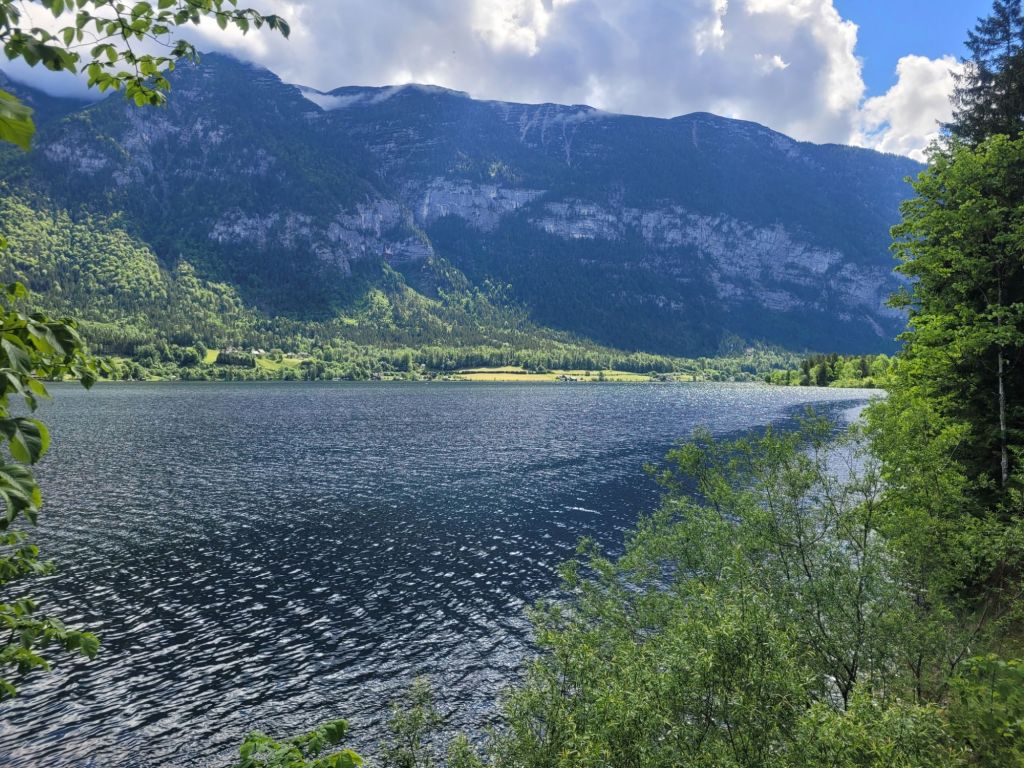
And everyone was SO SO nice.
There are cycle paths and walking routes everywhere, with a variety of challenge from flat, through gently hilly, to downright mountainous.
And let’s not forget the cultural aspects. The largest lake, the Attersee, was a favourite spot for Gustav Klimt; he spent summers between 1900 and 1916 on the lake (as did many others) to escape city heat. In fact, one of his paintings is called ‘On Lake Attersee’. Apparently the lake takes on a particular hue in the heat of summer, and Klimt became fascinated by trying to reproduce it in his pictures. I didn’t quite believe the whole colour thing – it looked dark blue to me – and then the sun came out.
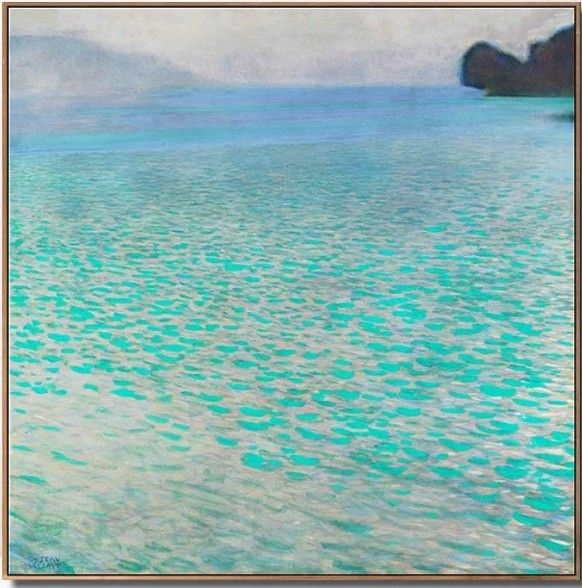
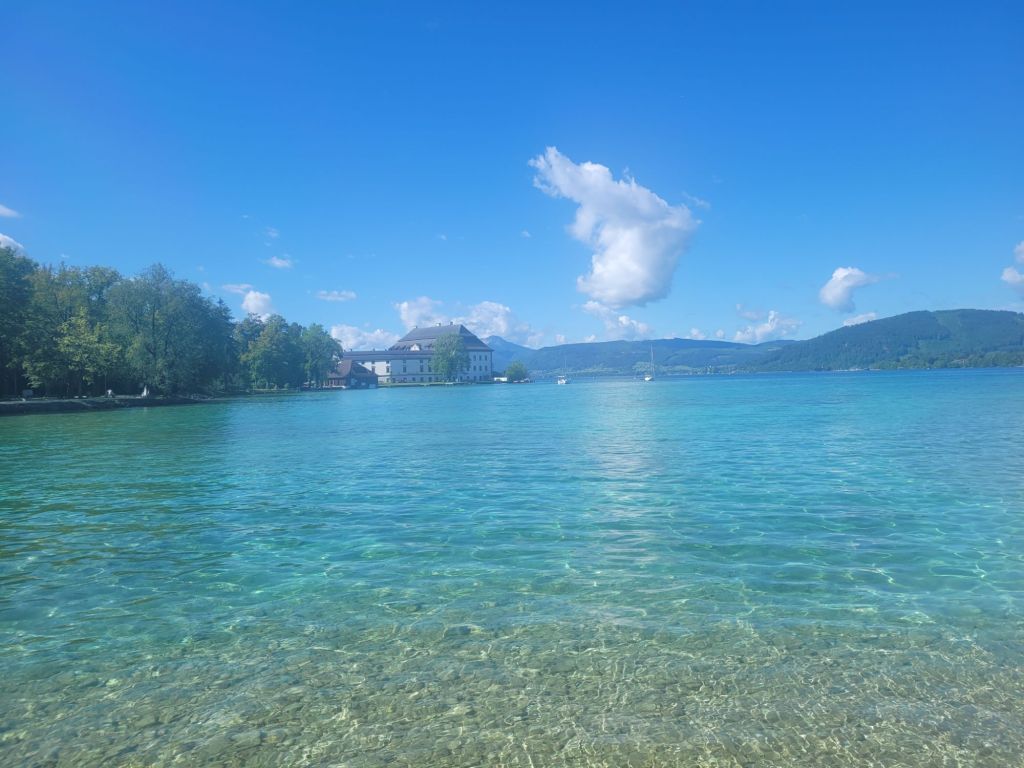
The blue sky and the intensity of the light make an enormous difference!
Another cultural inflection is the number of composers who visited, worked and composed in the area (and presumably took the waters too). We spent a few hours in Bad Ischl, which mentioned an impressive number of musical visitors: two Strauss, Lehar, Kalman, Brahms and Brukner. This last was also the organist at the church.

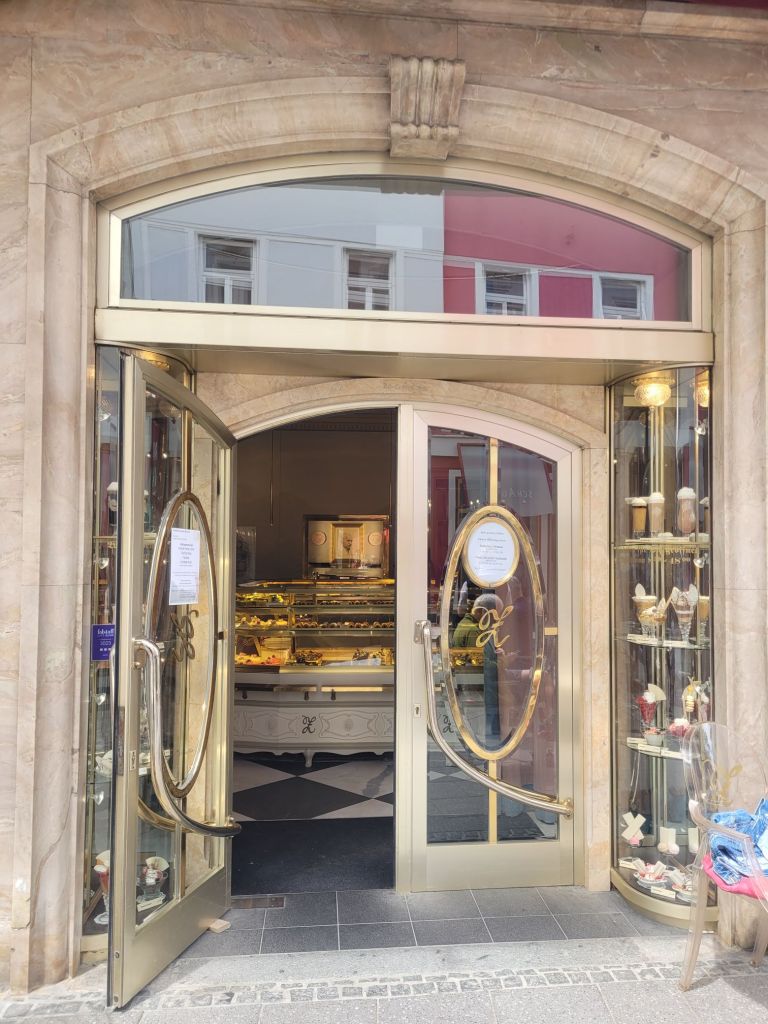
Bad Ischl is a pretty town that feels like a real place despite the tourism: people live and work here. The church appears regularly used and engaged with the community, there are some lovely shops (with some expensive, high quality clothing but not big brand designer), a fantastic Konditorei (pastry/coffee/chocolate shop) and some quite significant history.
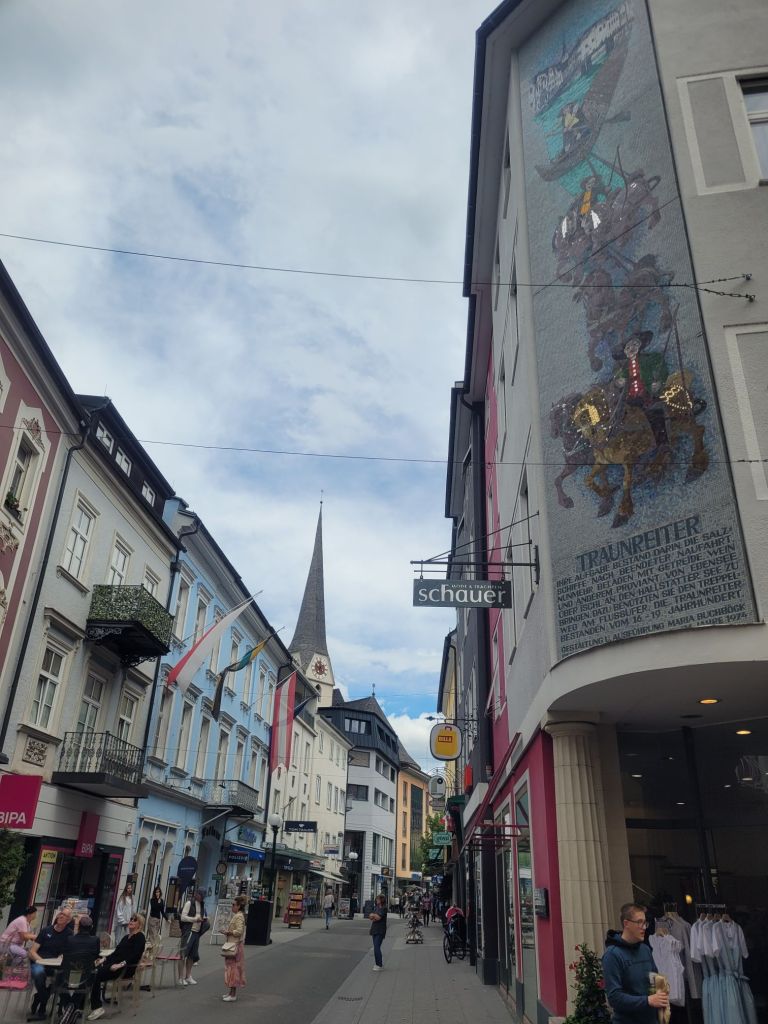
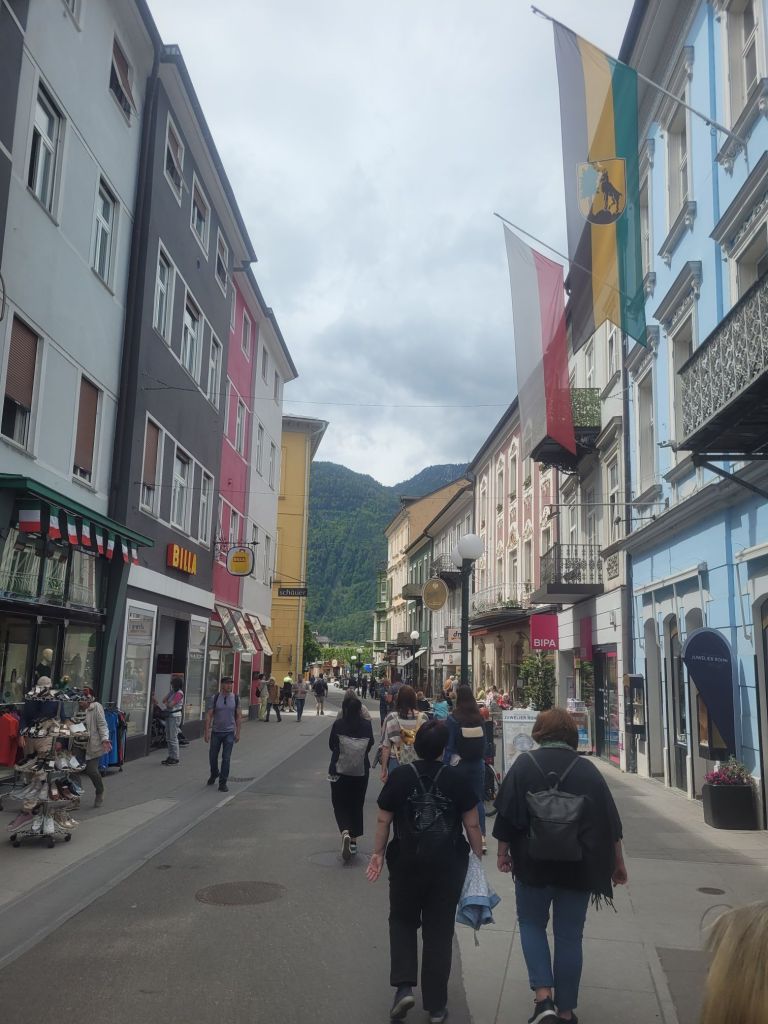
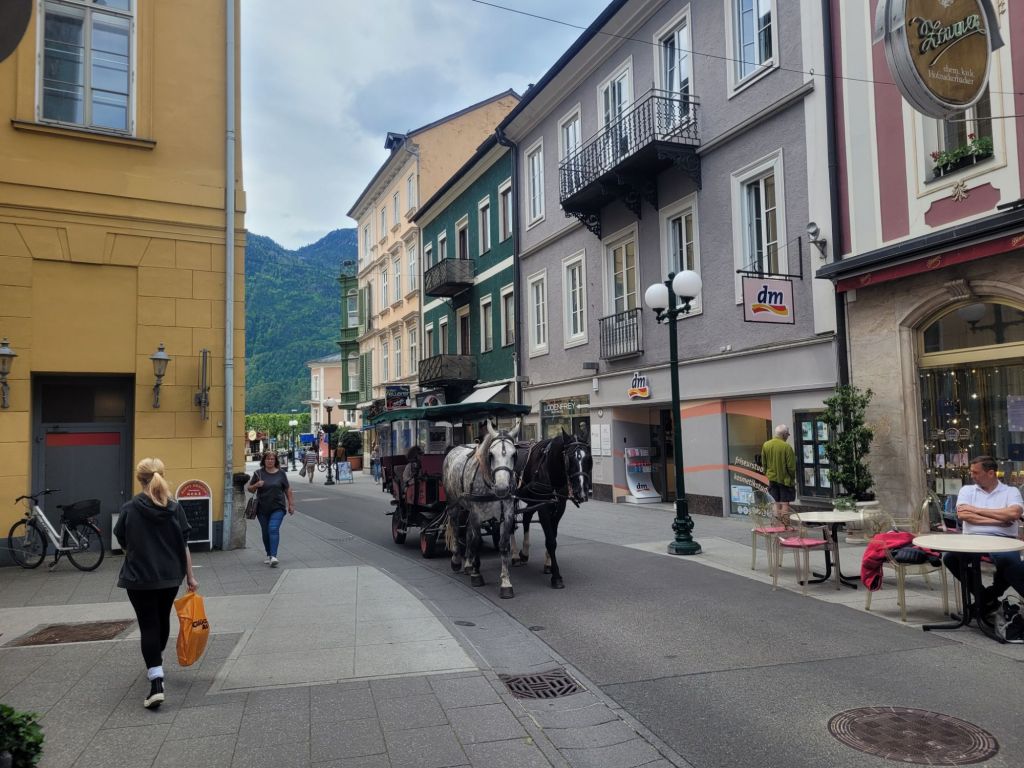
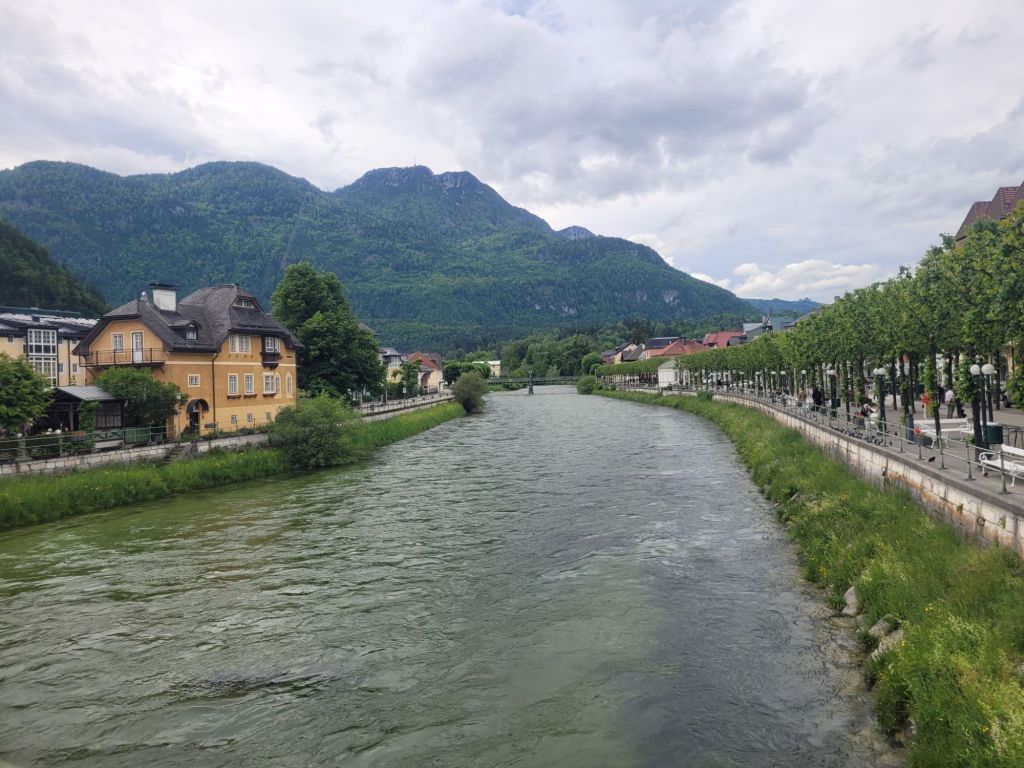
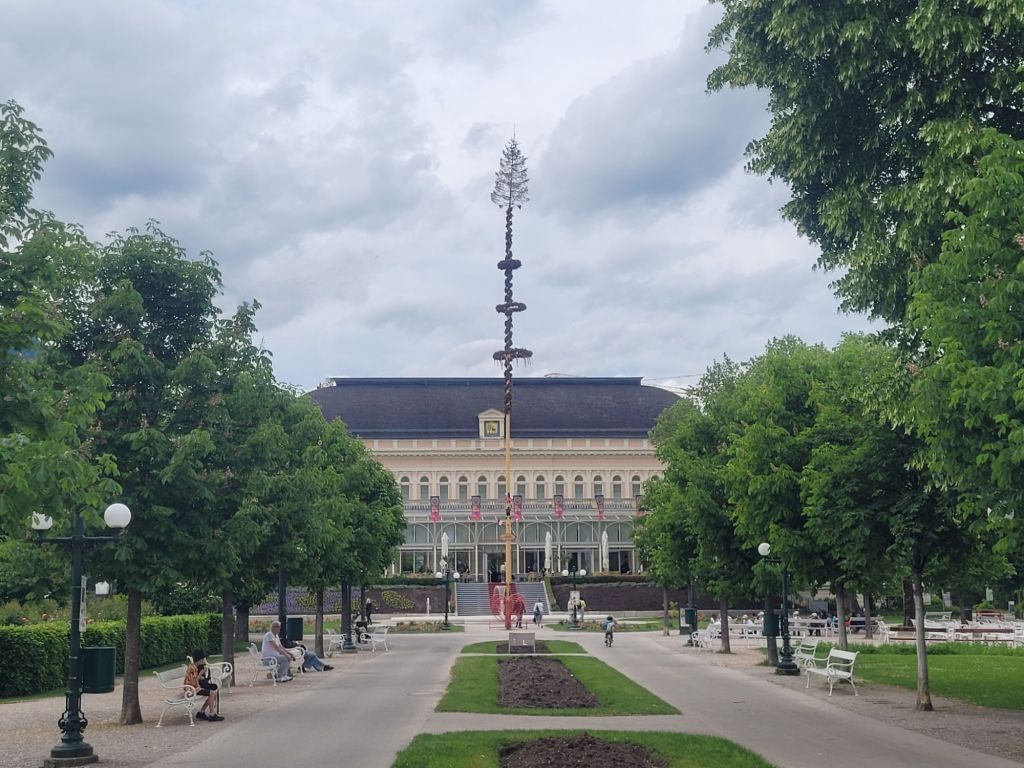

A spa town, it was visited regularly by Franz Joseph and Empress Elizabeth (as mentioned above) including at the onset of World War I.
Another well-known lake is Wolfgangsee, with several pretty towns on its banks. St Wolfgang im Salkammergut is particularly pretty: consciously so. There is a lot of parking on the outskirts of the town and an impressive one-way system which involves a long tunnel around its outskirts. This all points to its popularity with tourists!

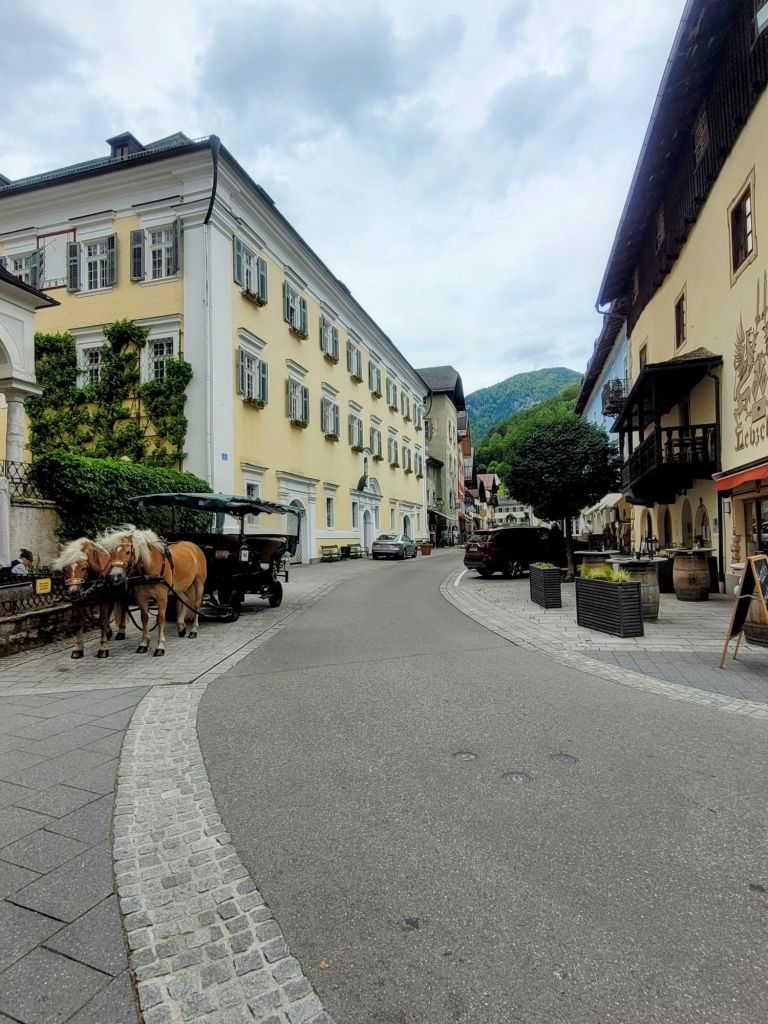
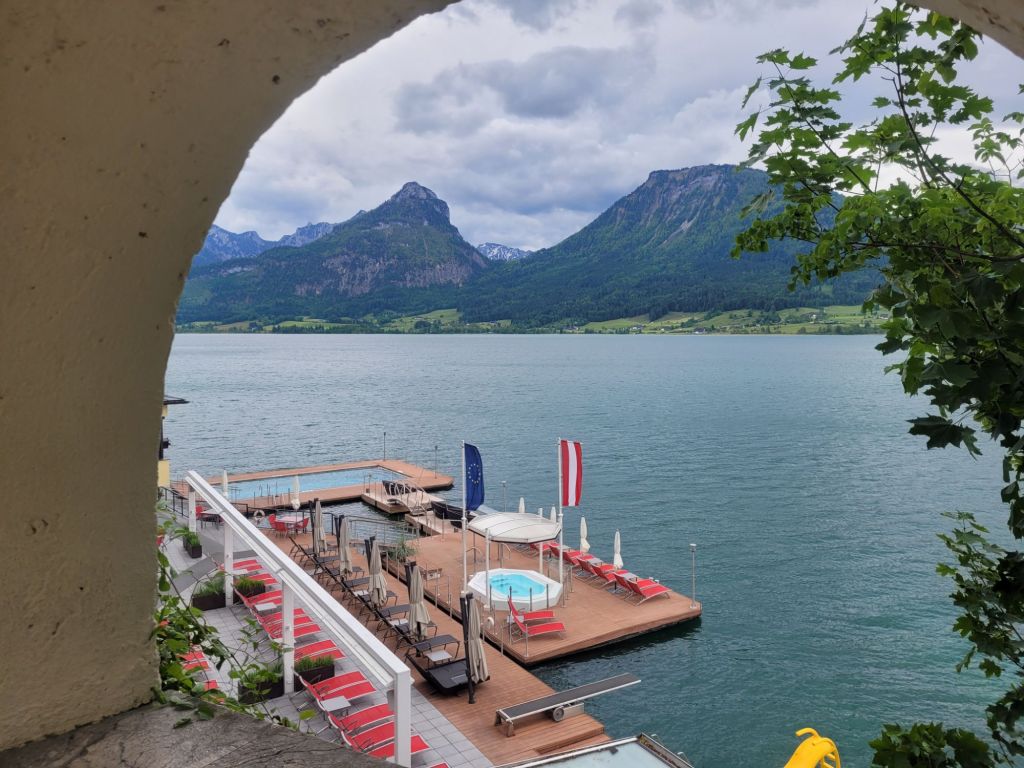
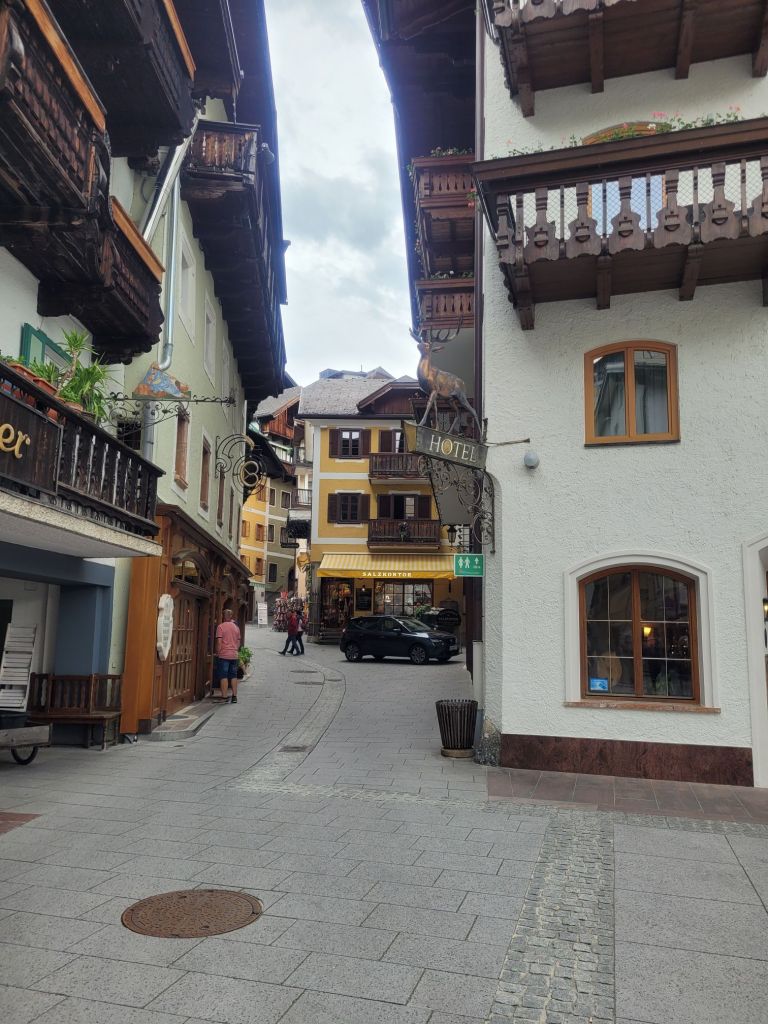
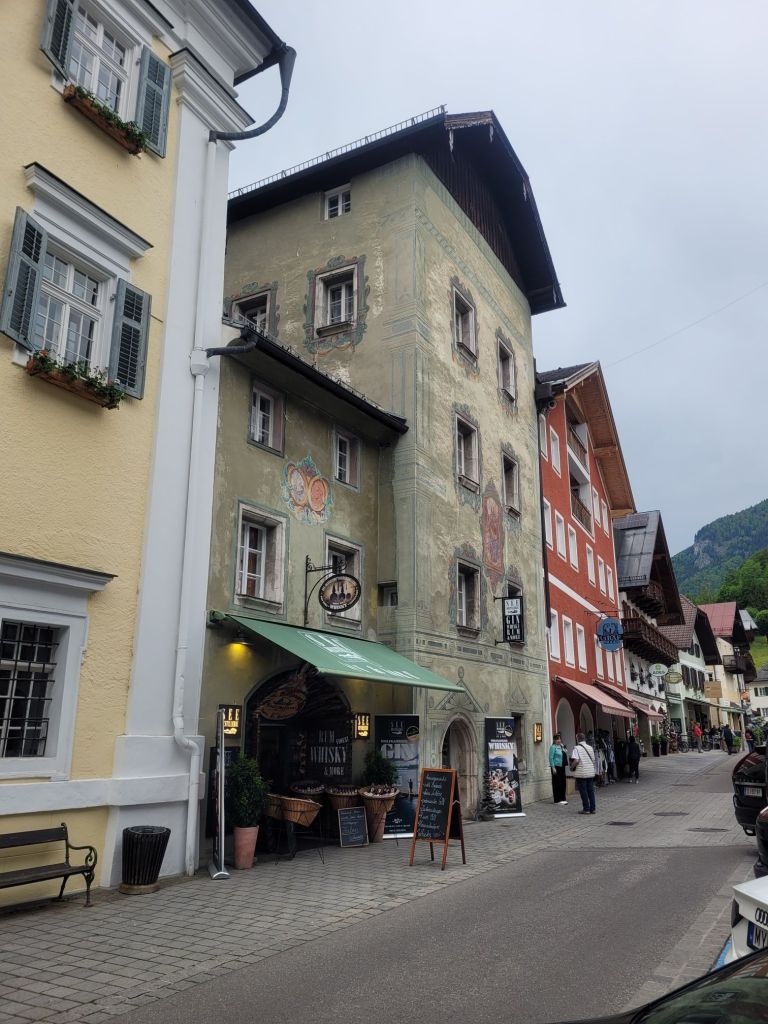
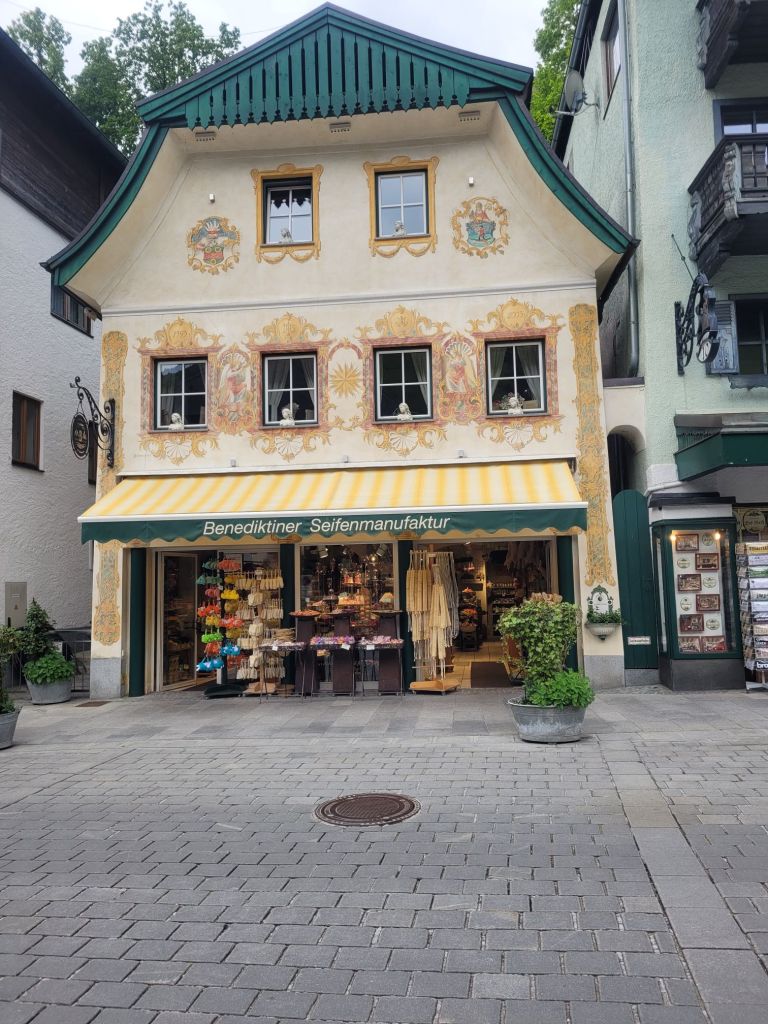
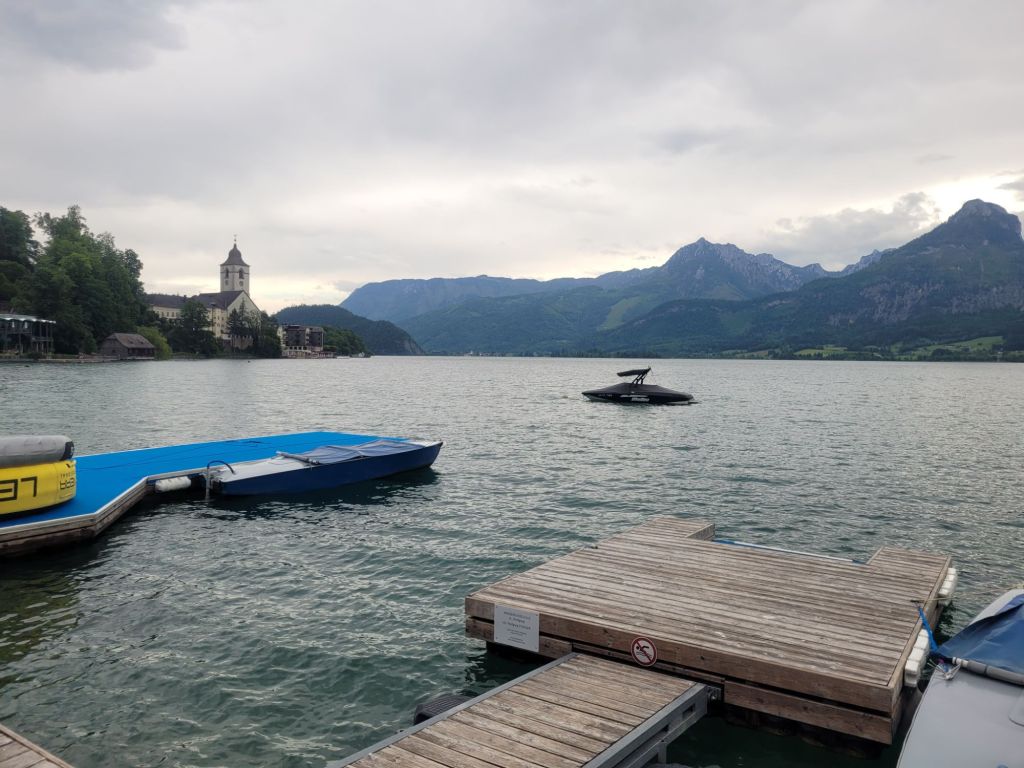
There are boat trips, a ferry that shuttles around and across the lake, the obligatory horse-drawn carriage tours and lots (and lots) of shops catering to varying degrees of tourist income levels. In contrast to Bad Ischl, this is most definitely a tourist town but it doesn’t seem to take itself too seriously.

We did see some foreign tourists but mostly they were Austrian or German. Where do all the foreign tourists go?
 Retired? What now?