The second longest river in Europe (the longest is the Volga), the Danube rises in Germany, flows south-eastward through central Europe and into the Black Sea. It has been frontier, barrier against invaders, transport highway and is now a power source (hydro-electricity) and an income generator (in the form of leisure and tourism).
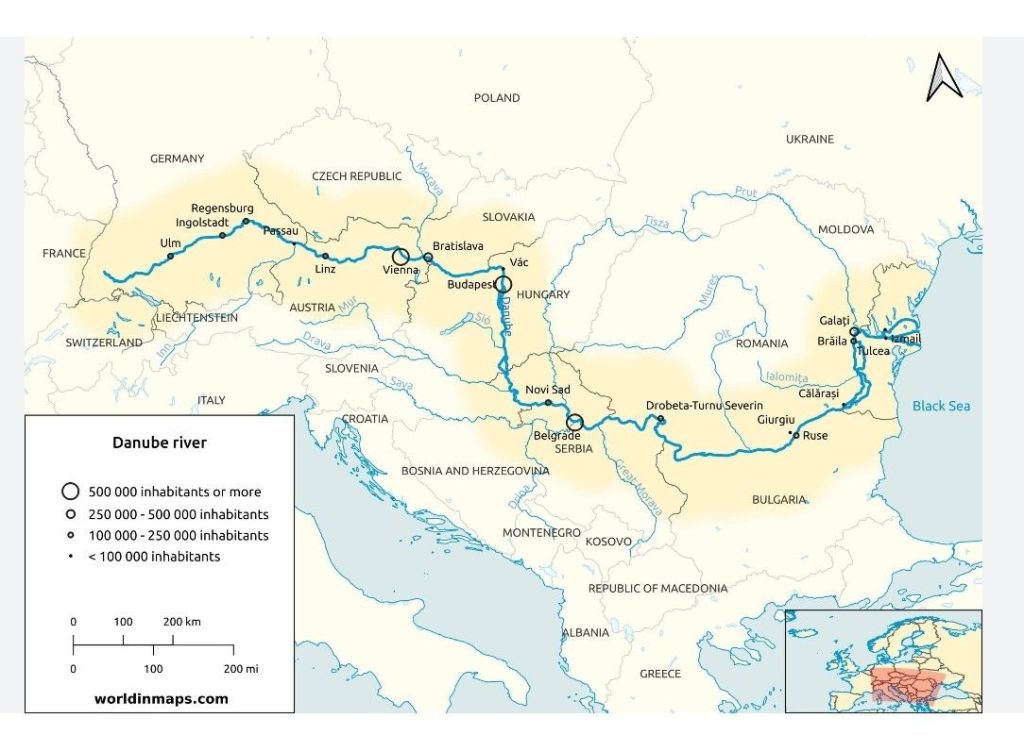
Remembering how impressive the Danube was when we were in Budapest years ago, and given its importance to Austria and Europe generally, we felt we should at least cast a glance over it!
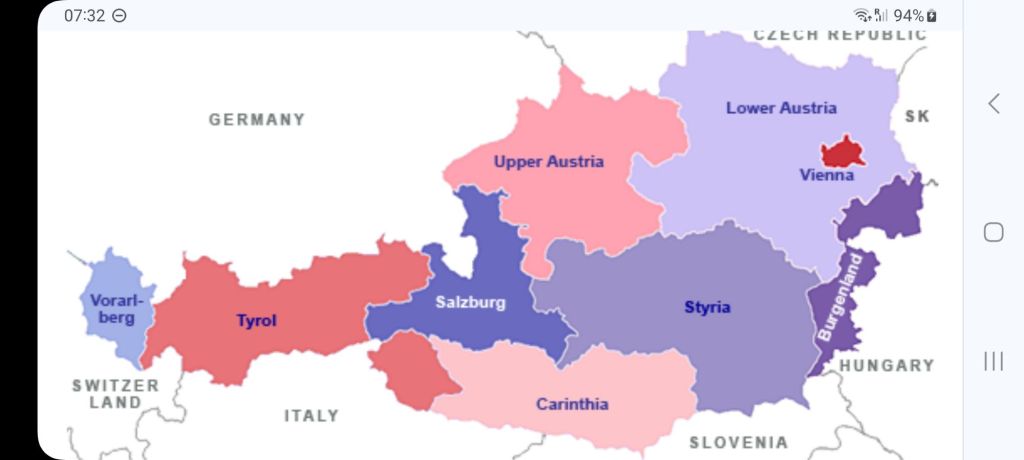
After leaving the Attersee, we drove through Upper Austria into Lower Austria and then decided to visit Melk – which wasn’t quite on the way, but is on the Danube (or a canalised tributary of it).
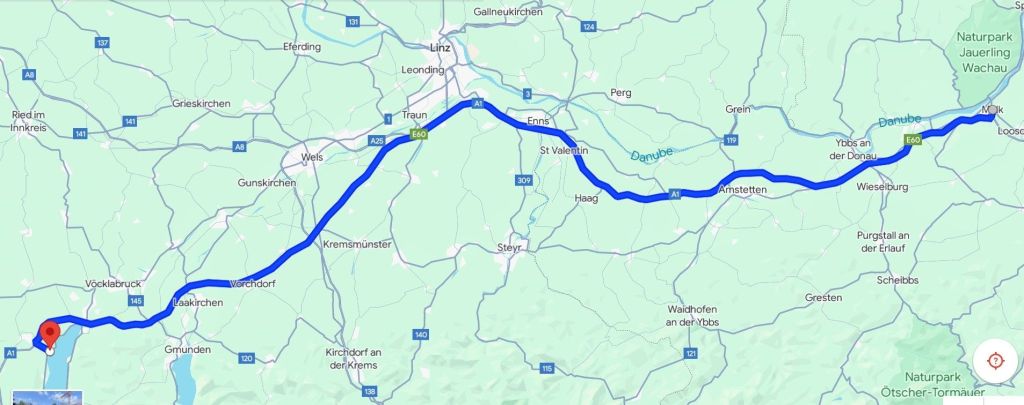
The countryside changed rapidly from rugged mountains to gently rolling farmland: essentially flat.
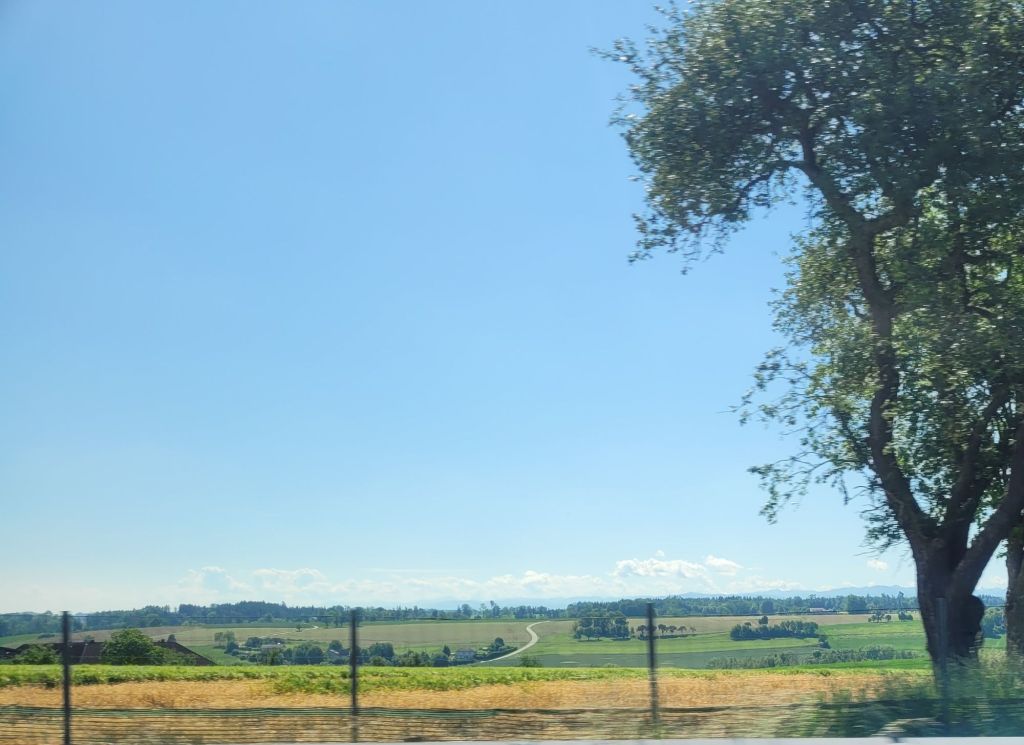

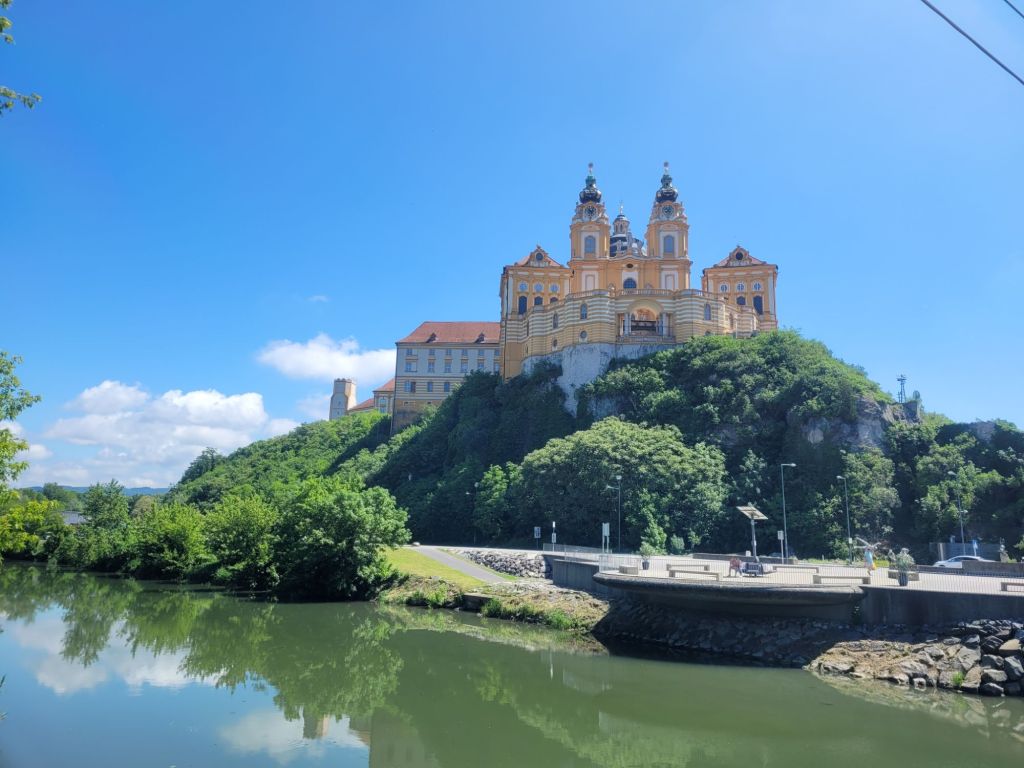
Approaching Melk, it seemed to get even flatter (if that were possible) with the enormous abbey becoming visible from quite a distance (although I did have to squint a bit initially).

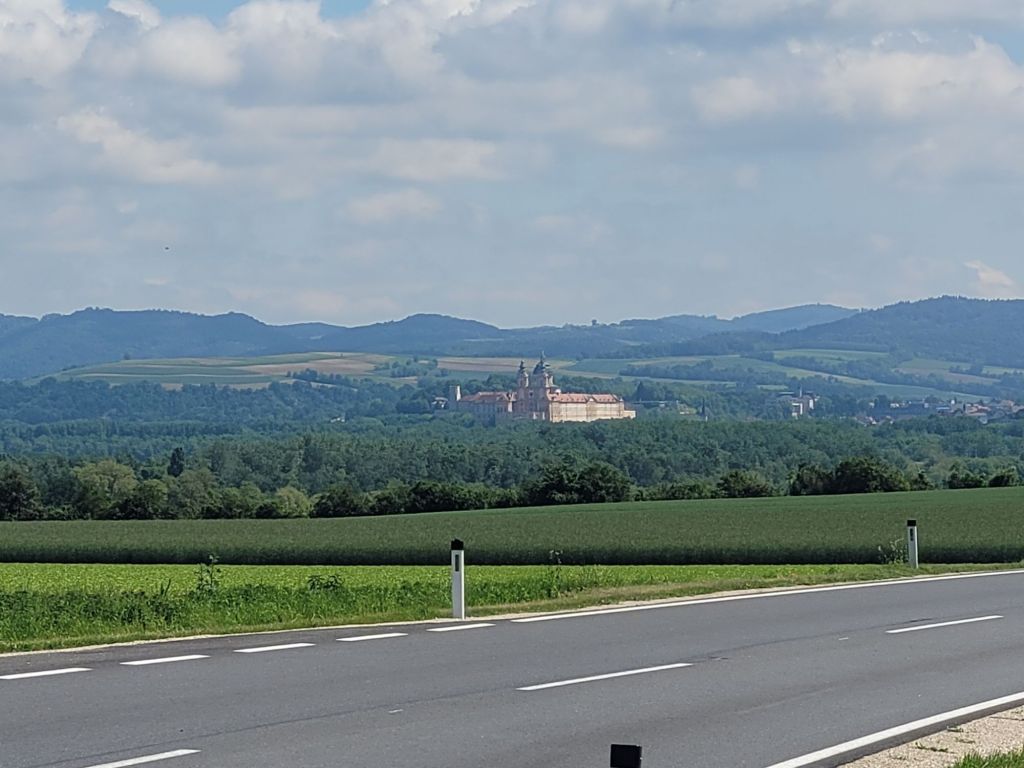
Austria’s first ruling dynasty, the Babenburgs, have several members buried (or re-buried) in Melk Abbey which is a Benedictine monastery founded in the late 11th century. The Benedictines, with their reputation for scholarship and manuscript production, amassed an extensive collection of texts (including music); it was a centre for reform and intellectual exchange for several centuries, notably in both the 15th and 18th centuries.
The Abbey was rebuilt in the early part of the 18th century, embracing the full expression of Baroque embellishment.
It’s immense.

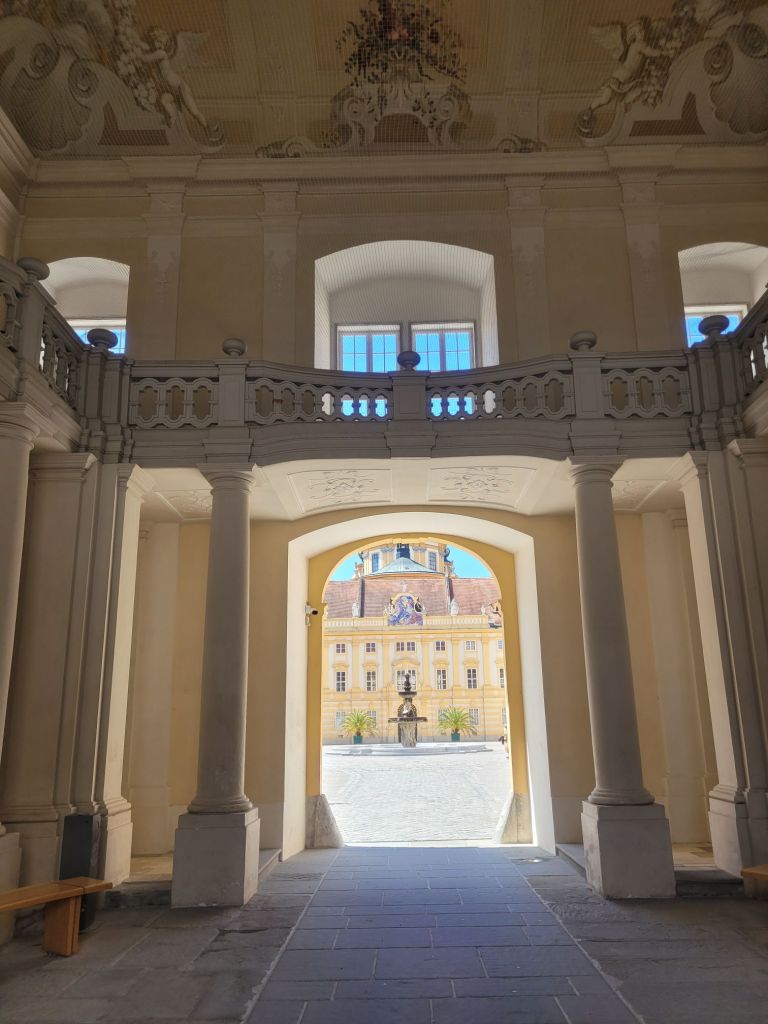
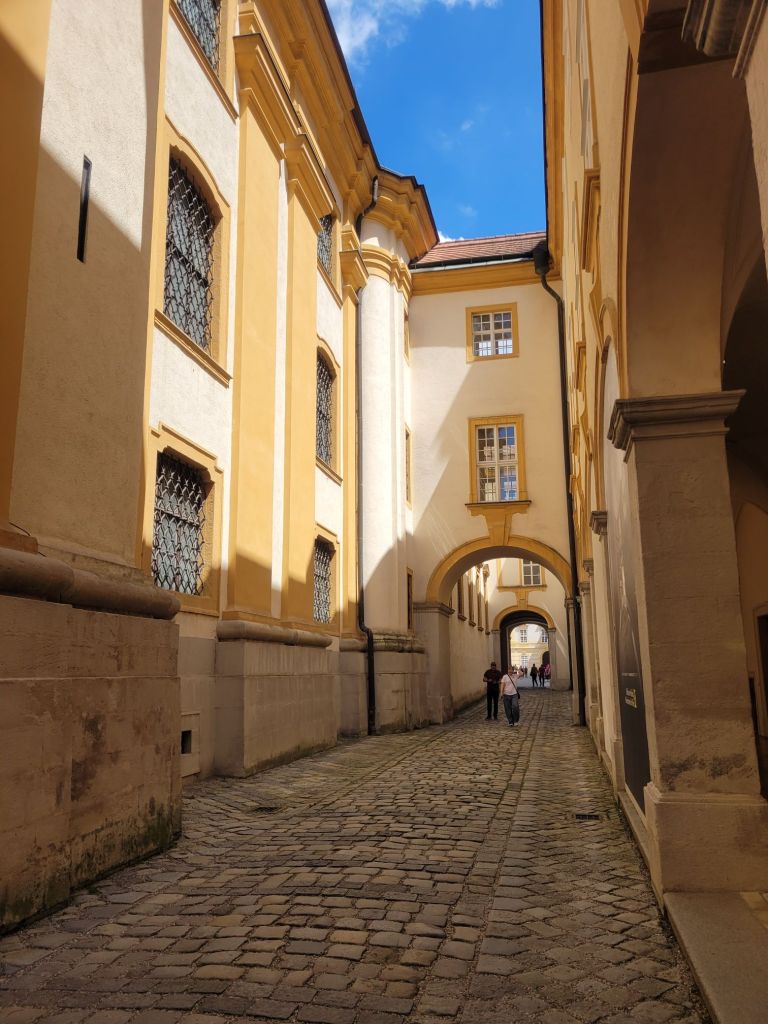
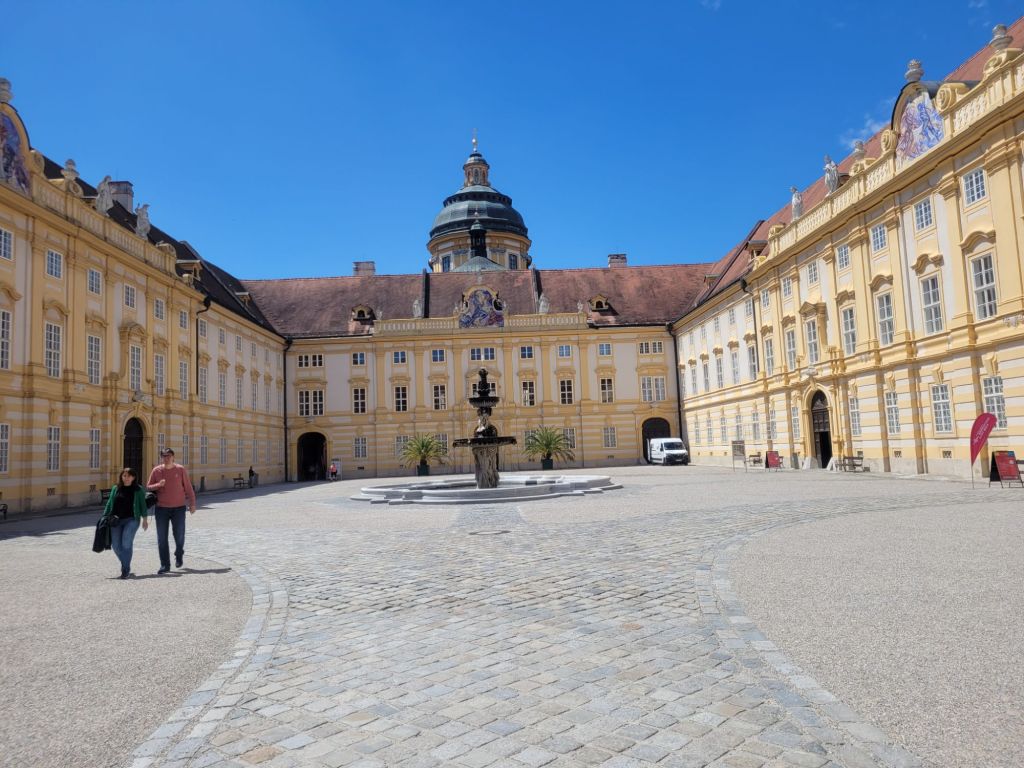
And certainly suggests quite a nice lifestyle for those who lived there.
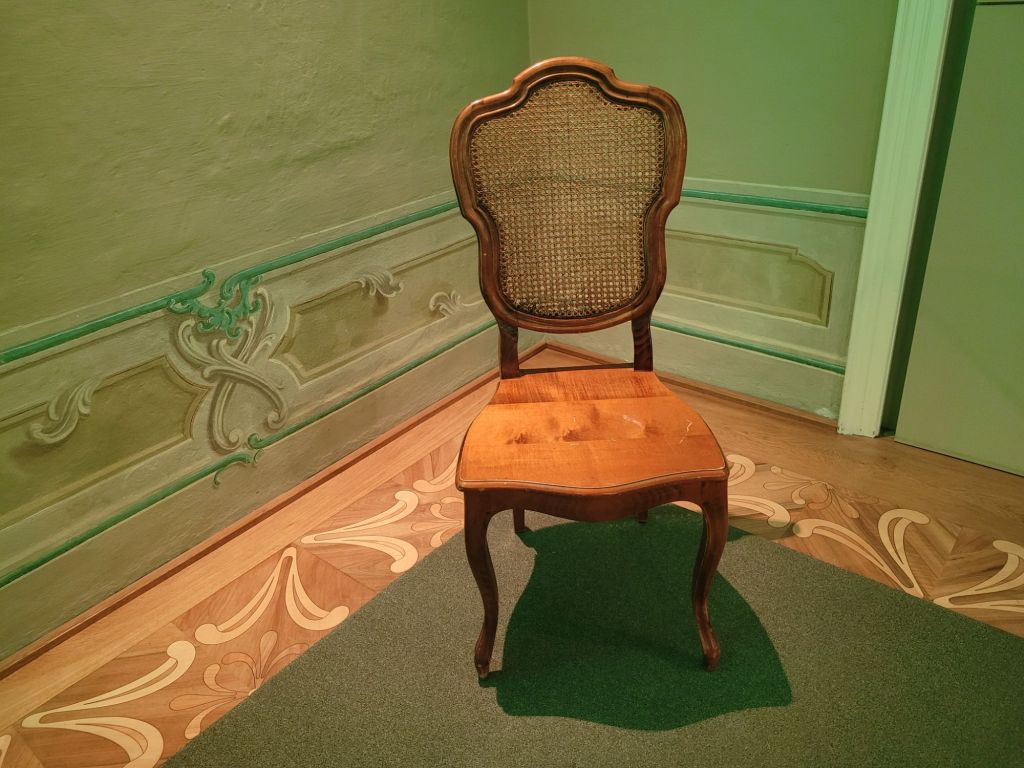
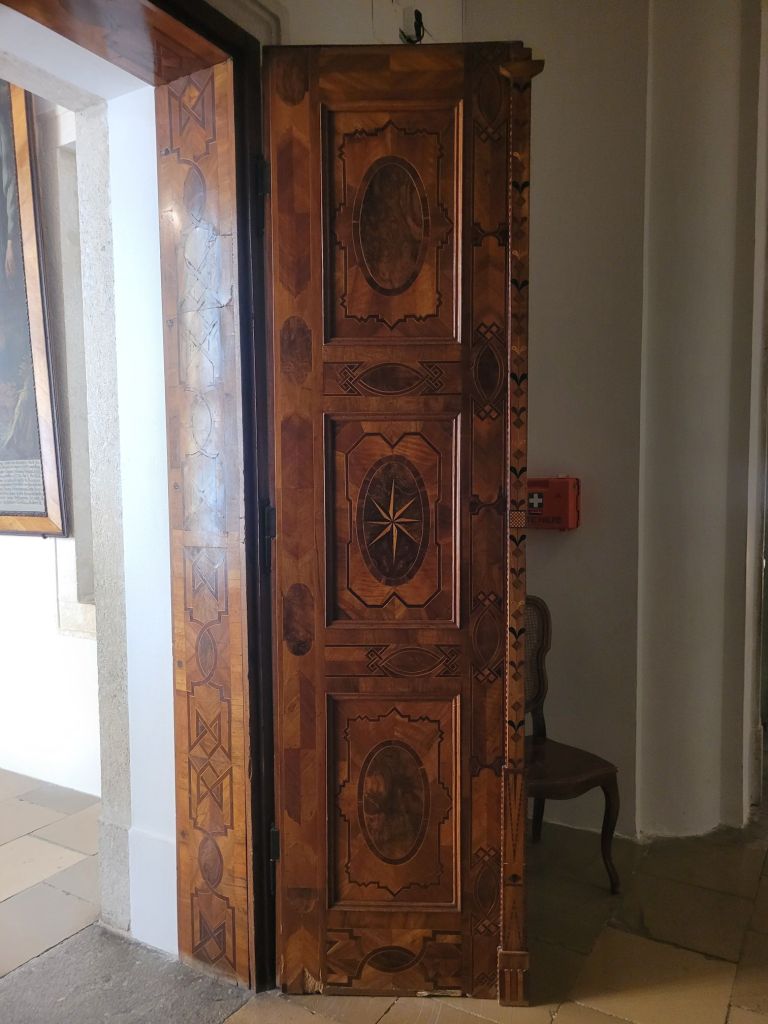
There were state rooms with beautiful woodwork and painted walls;


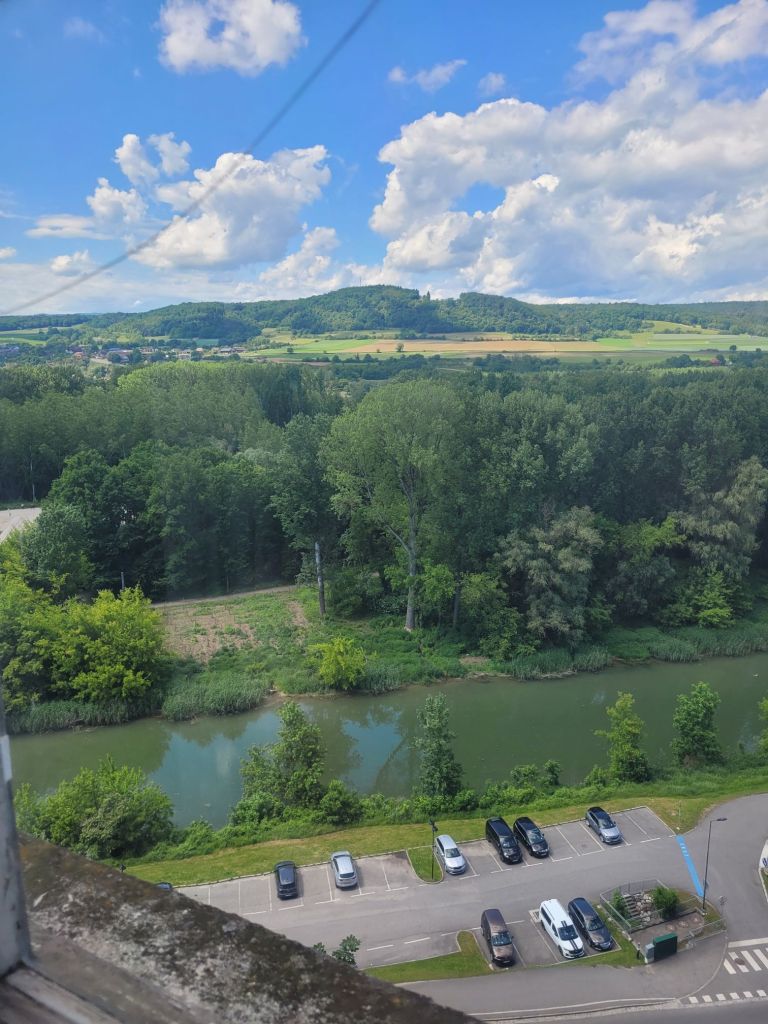
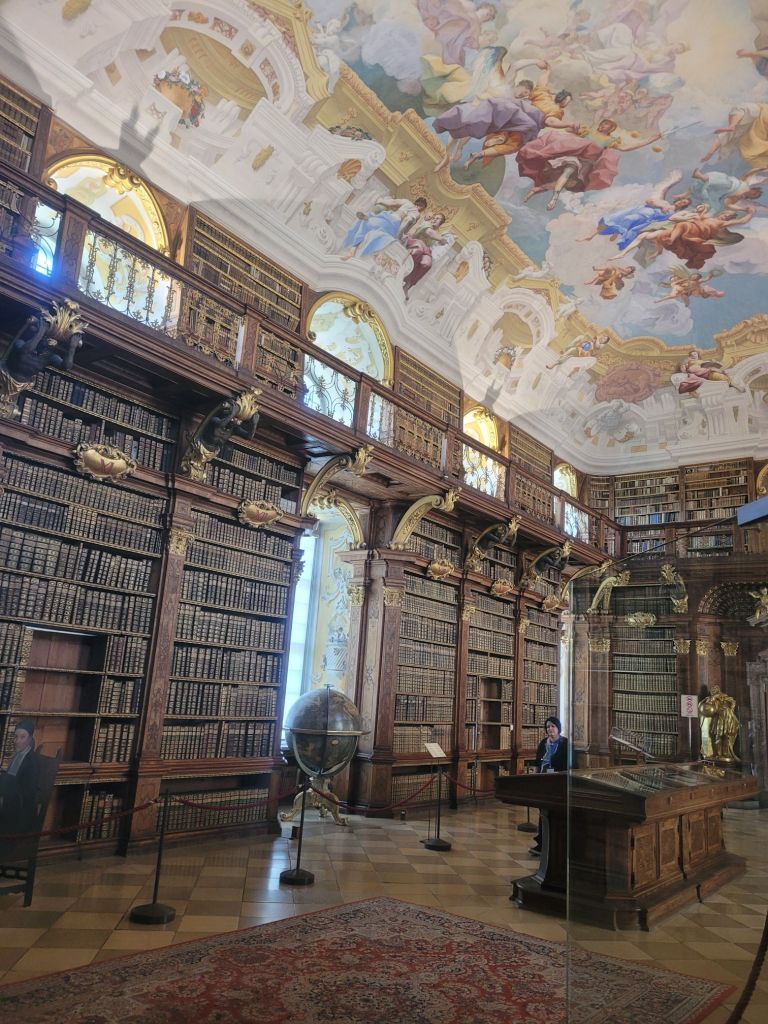
a breathtaking library (as you might expect) bathed in light, overlooking the river,
walled with books both real and trompe d’oeil painting where the shelves open onto tiny ‘secret’ rooms.

Matching spiral staircases were beautifully decorated.
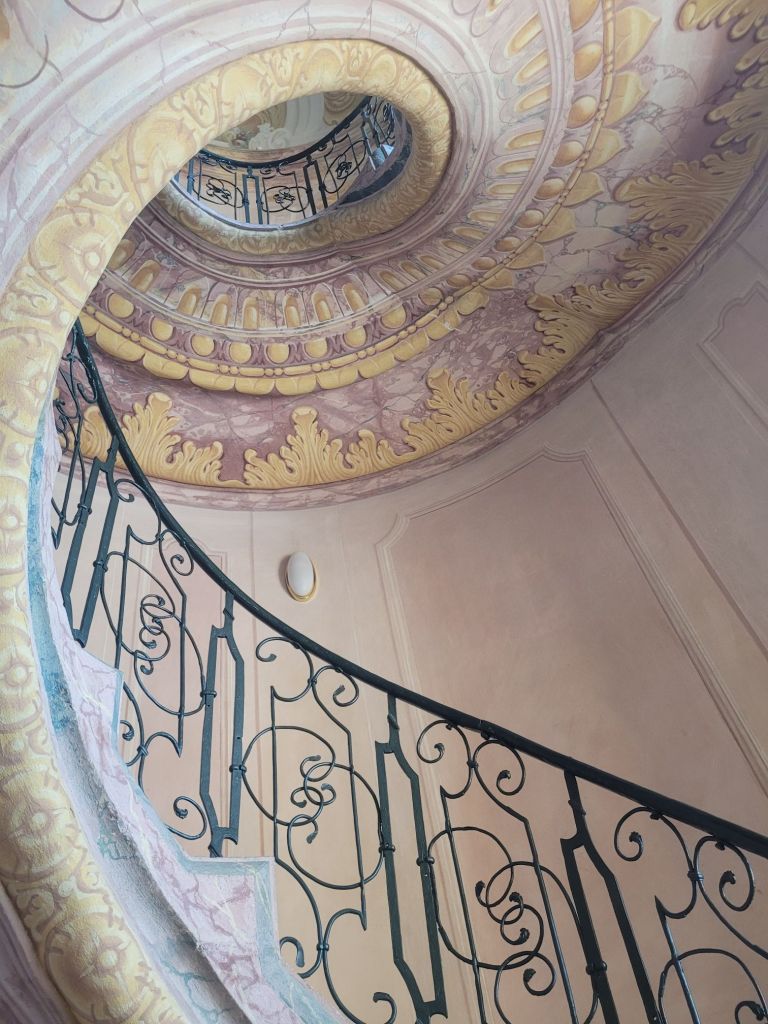
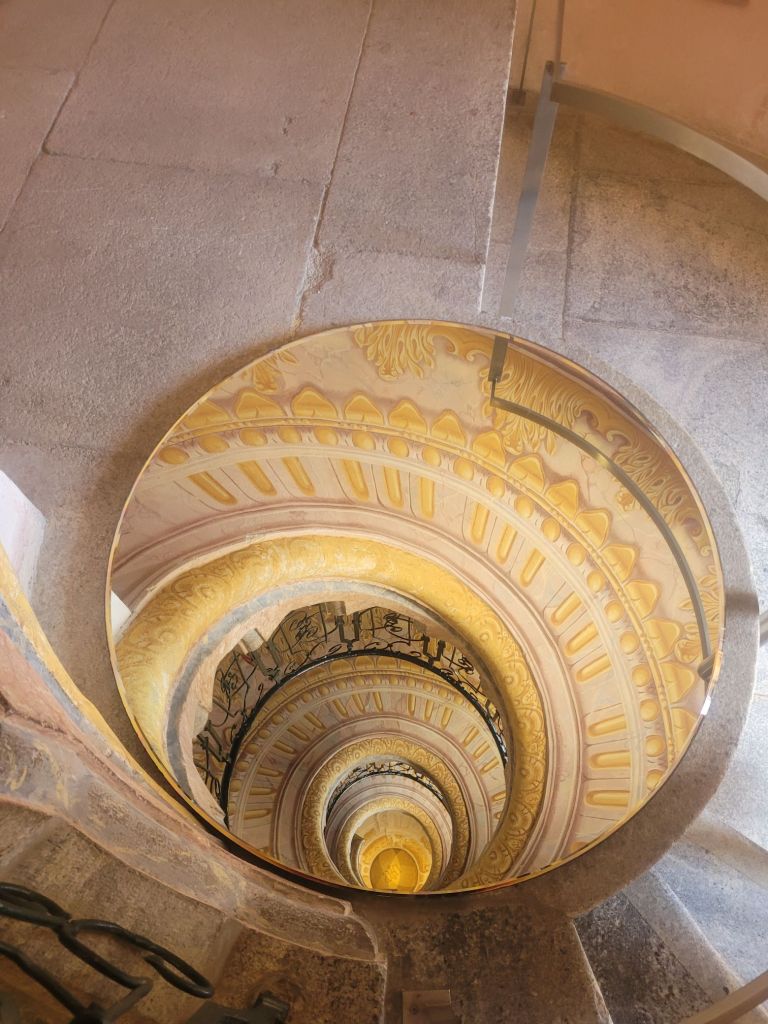
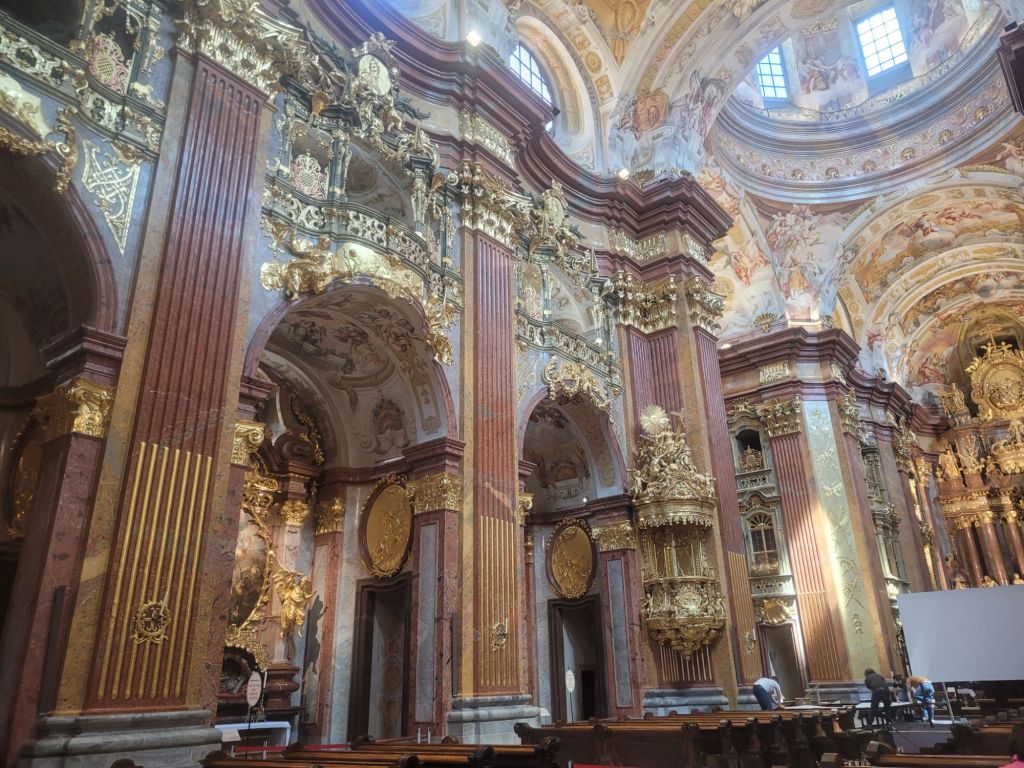
The church is an unusual shape, with only one transept, and an exercise in gilding. Access was controlled, either because they were setting up for a concert that evening or because they didn’t want people wandering around too much. There were signs everywhere requesting silence, no filming and no photography. I surreptitiously took pictures from one vantage point, only to see everyone around me with their phones and selfie sticks out.


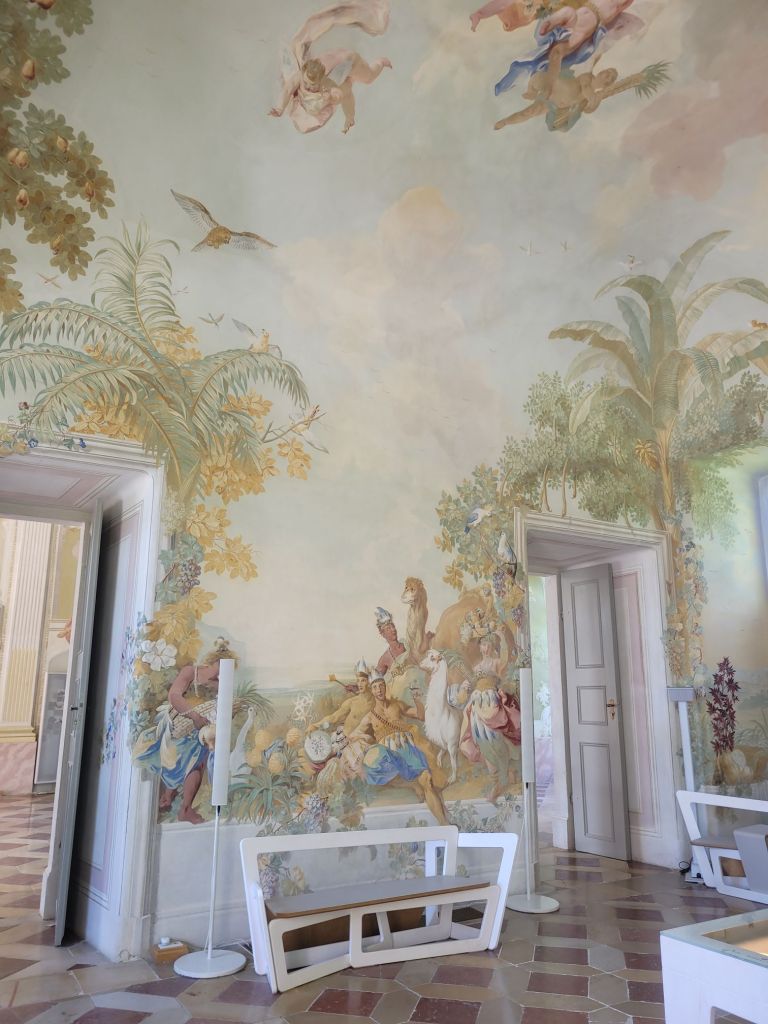
The abbey is surrounded by extensive gardens with fountains and a ‘garden pavilion’, built in the mid 18th century, for the recreation of the monks after a period of strict fasting. It’s lavishly frescoed, with walls and ceilings depicting exotic animals, jungle plants, indigenous people and general Western mythology – more in keeping with a royal ‘garden room’ than a monastery. It’s a lovely place, with views over the Danube and gardens. To our surprise, pool (or its early equivalent), dice and cards were played by the monks while ‘relaxing’.
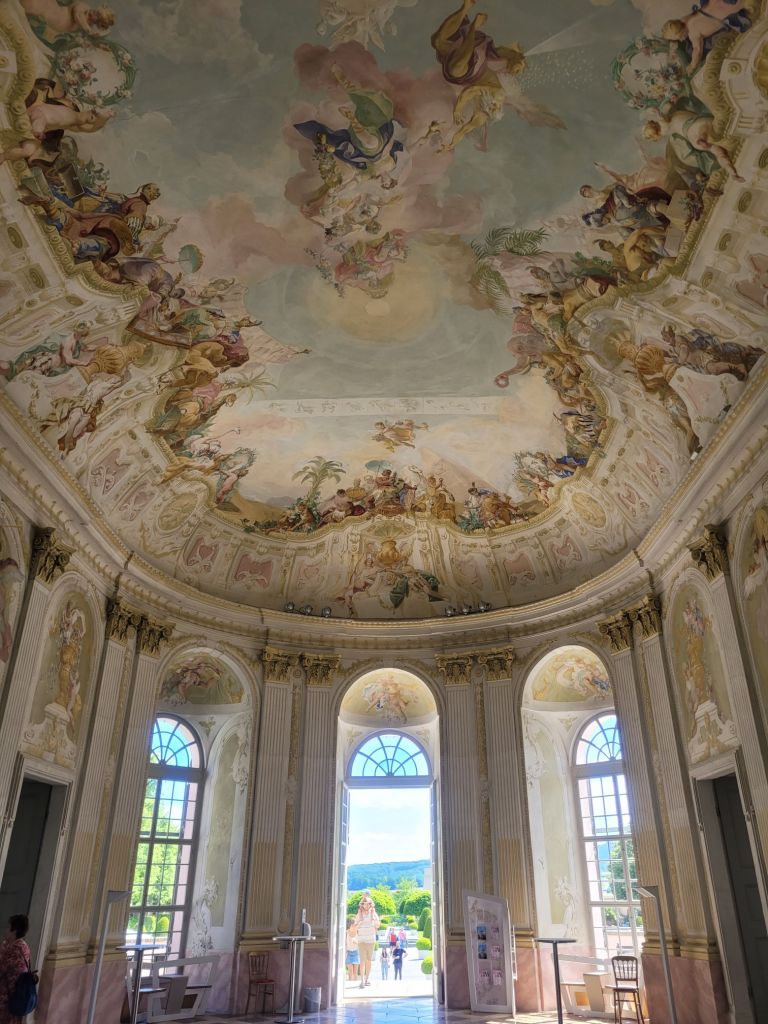
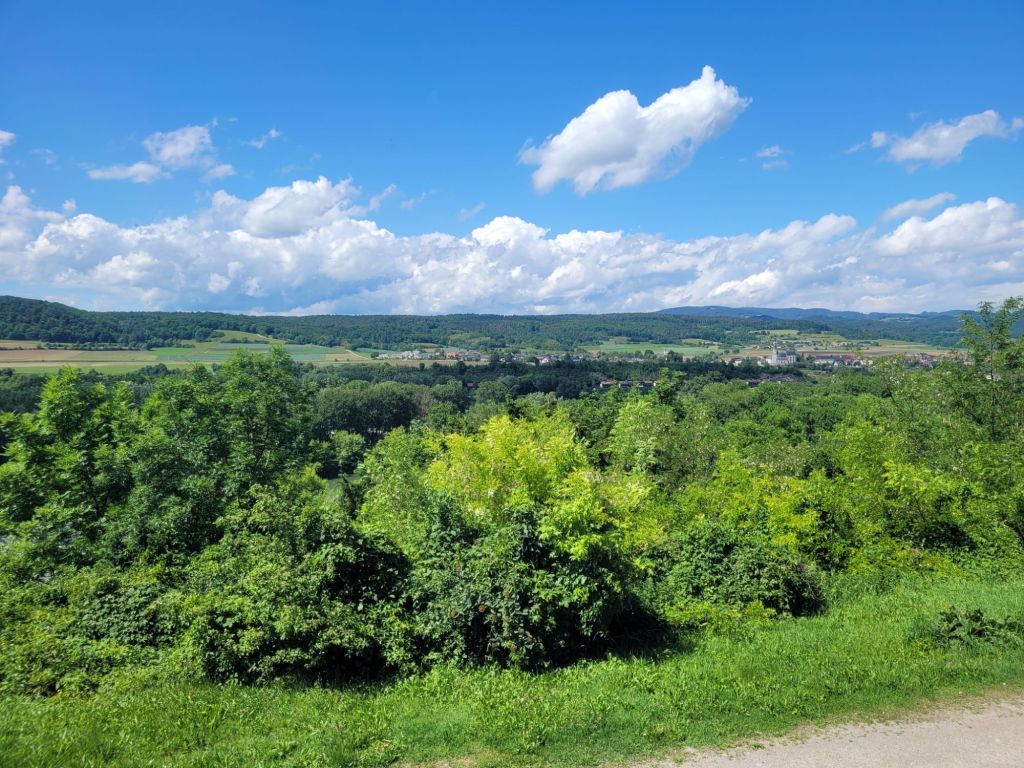
As you might expect, the gardens were wonderful, full of fragrance and colour, with a physic garden that had a wide range of medicinal herbs. And grape vines. In several places.
(Well they were Benedictines!)
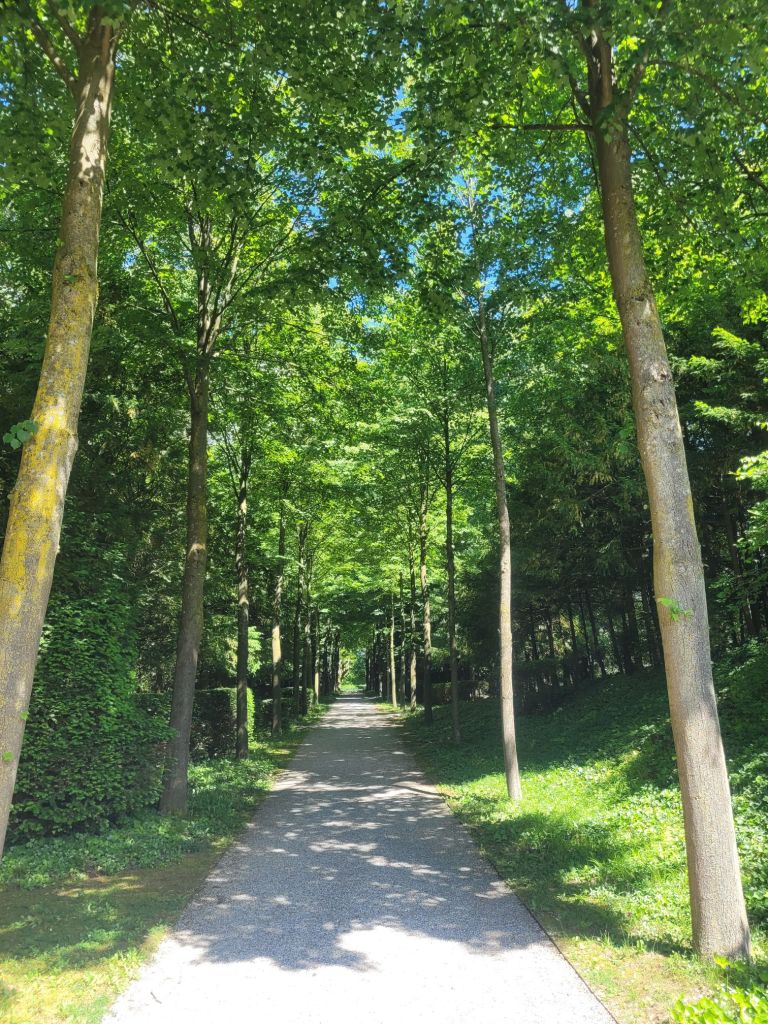
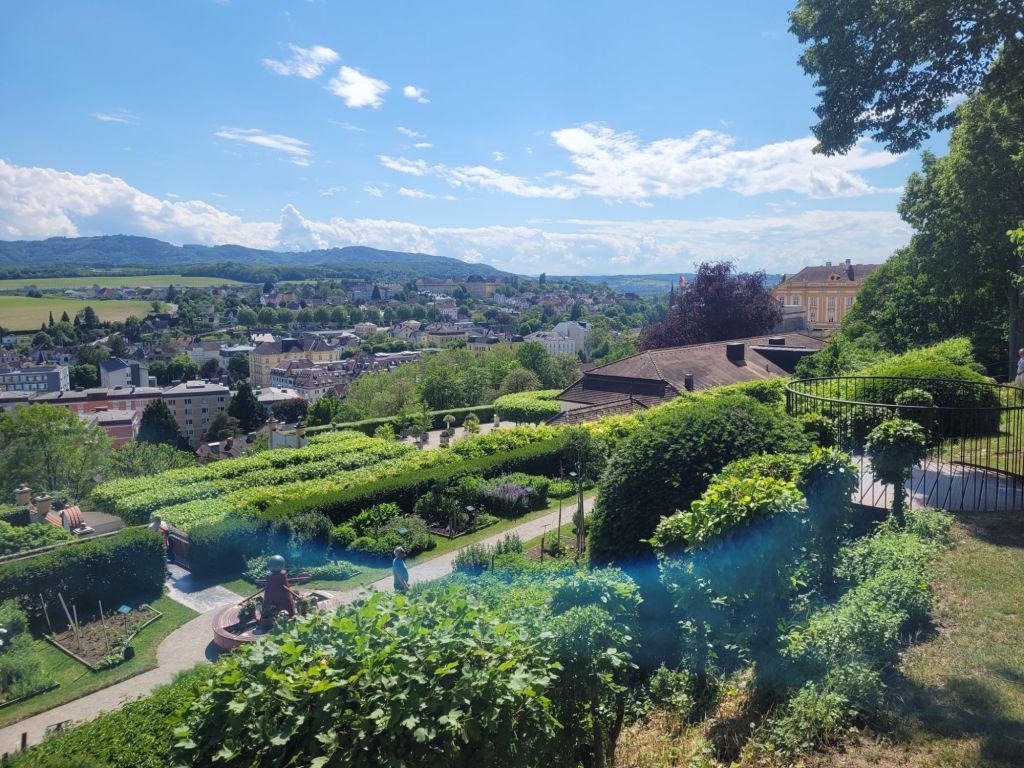
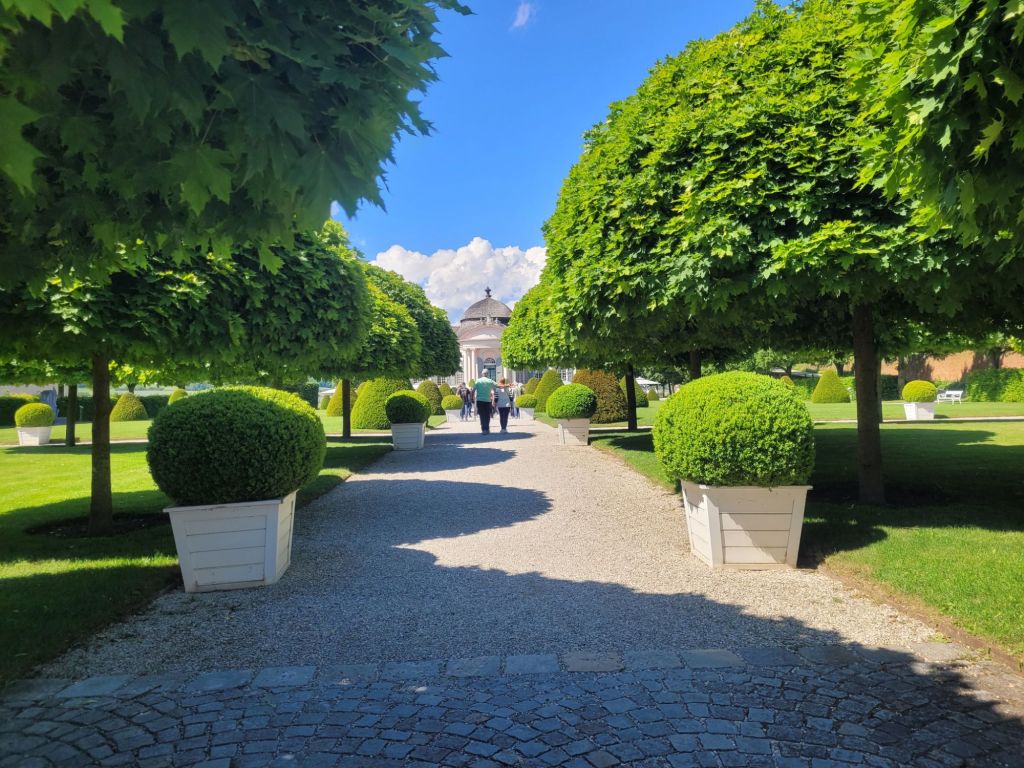
Melk Abbey was impressive and still enjoys a reputation for education (it has a large new gymnasium) and music – they were rehearsing a large choir with orchestra.

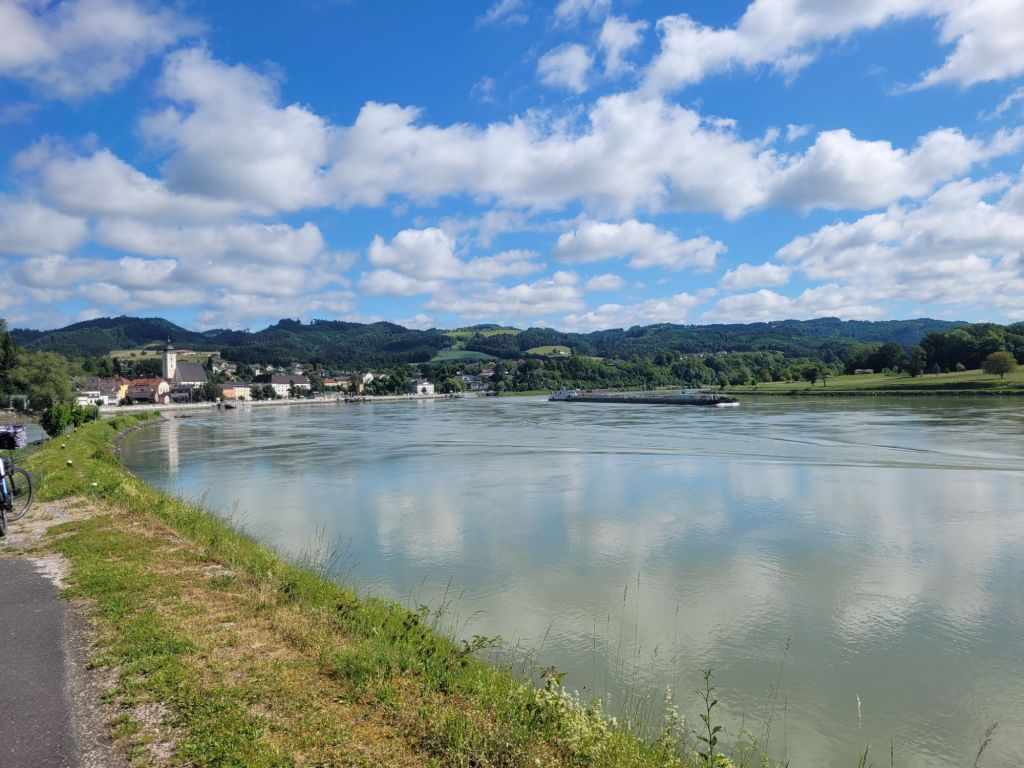
The Danube flows wide and strong alongside Melk. We followed it eastward, up the Wachau (an area of outstanding beauty along the river) to Grein, a small village popular with the camping and cycling crowd.
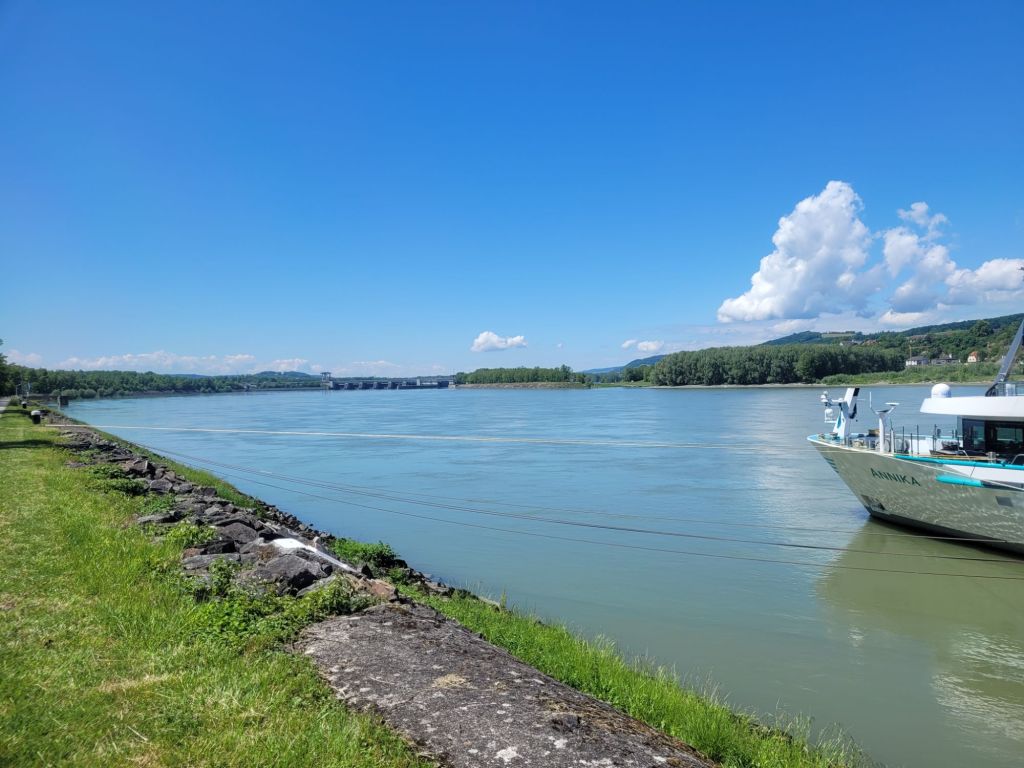
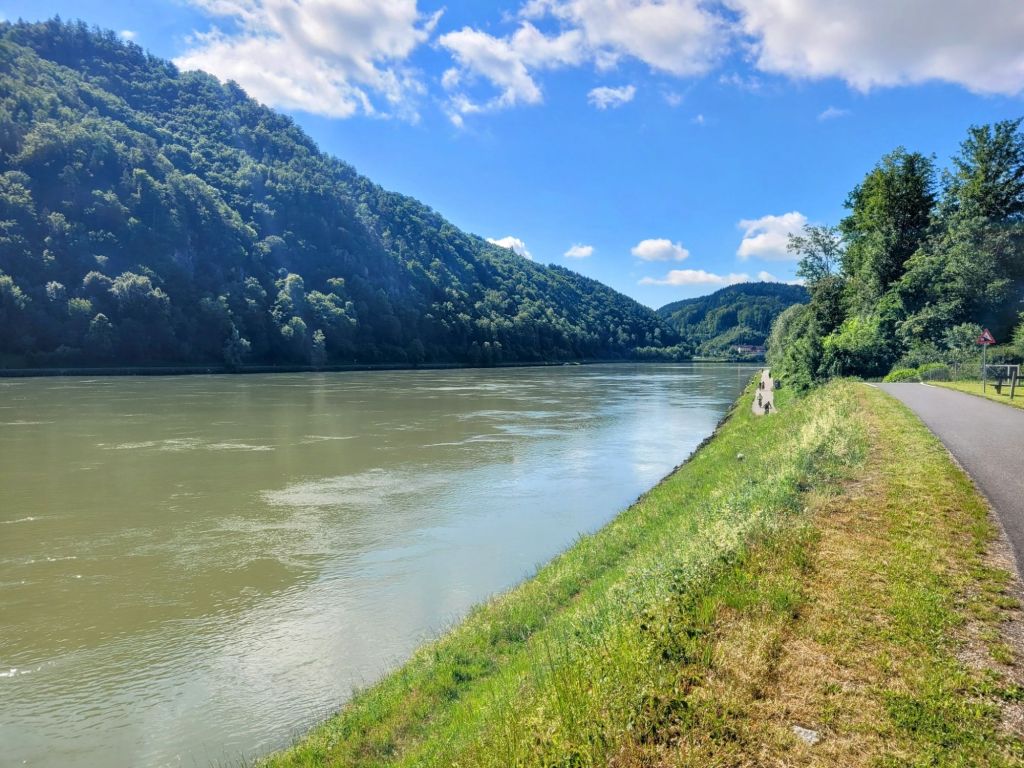
Grein is a small place with an impressive schloss perched above the village on a bend in the Danube. The town square is pretty, the wine was good and the charcuterie options were equally good. There were lots of cyclists moving along the Danube, stopping overnight and then moving on.
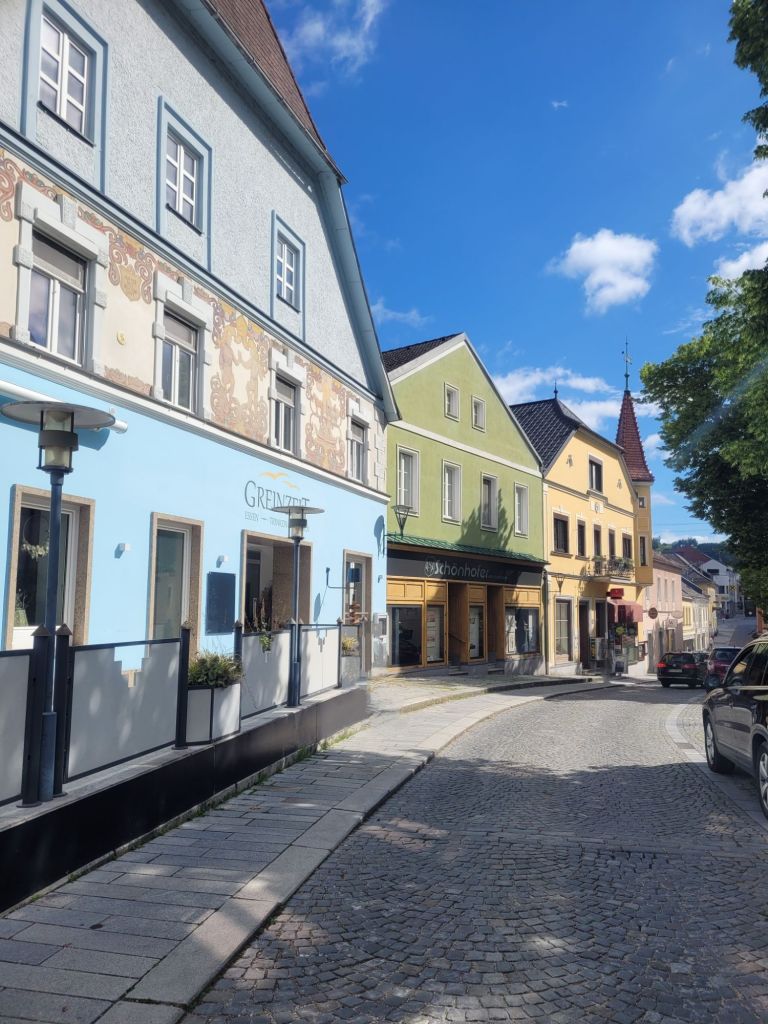
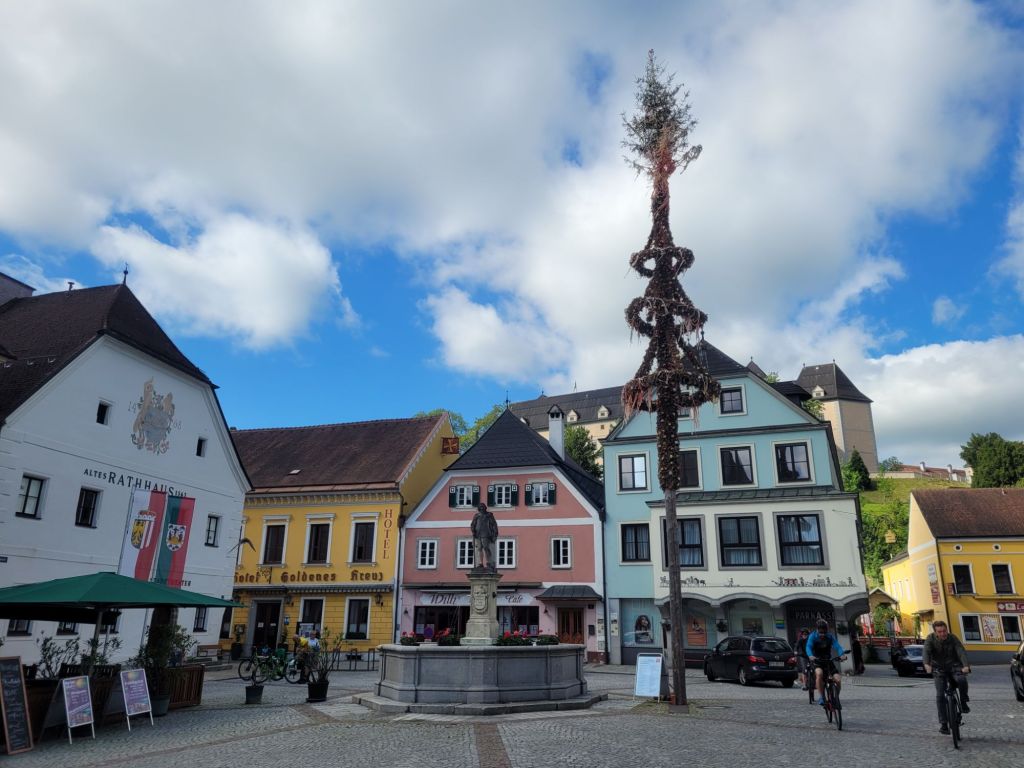
Greinberg castle, built in the late 15th century, is owned by a member of the Saxe-Coburg family and is lived in by the owners. Another claim to fame for Grein is the oldest theatre in Austria (I have no way of substantiating this).
Grein is at the westermost end of the Wachau, which runs alongside the Danube down to Vienna. And it was certainly pretty!
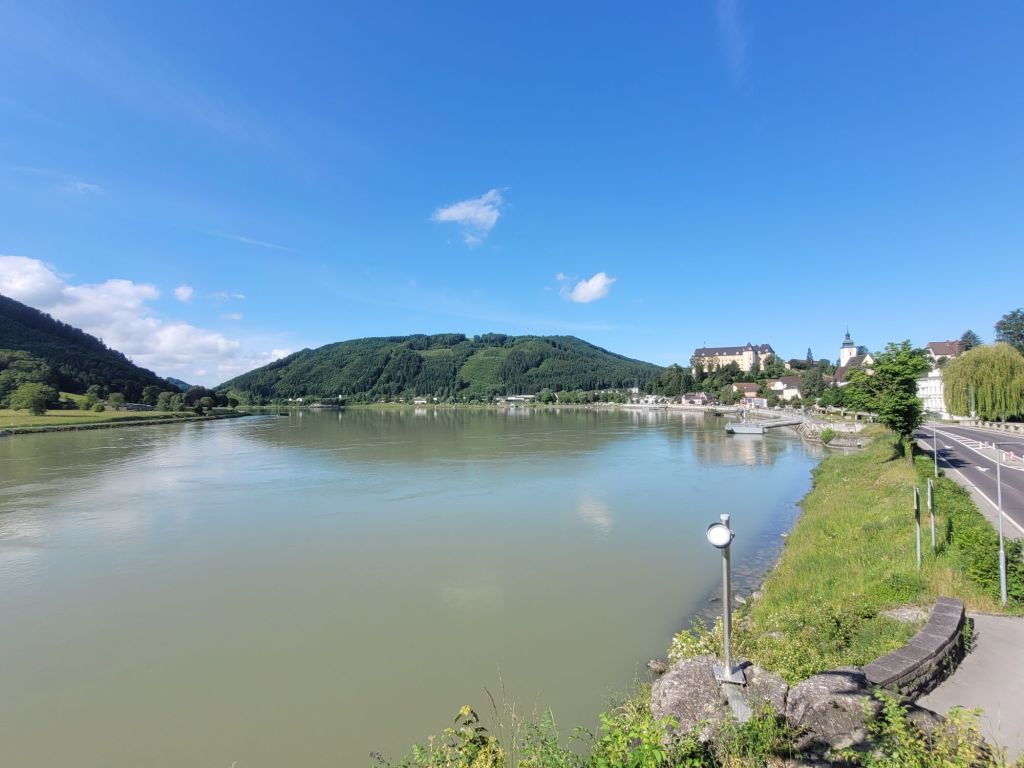
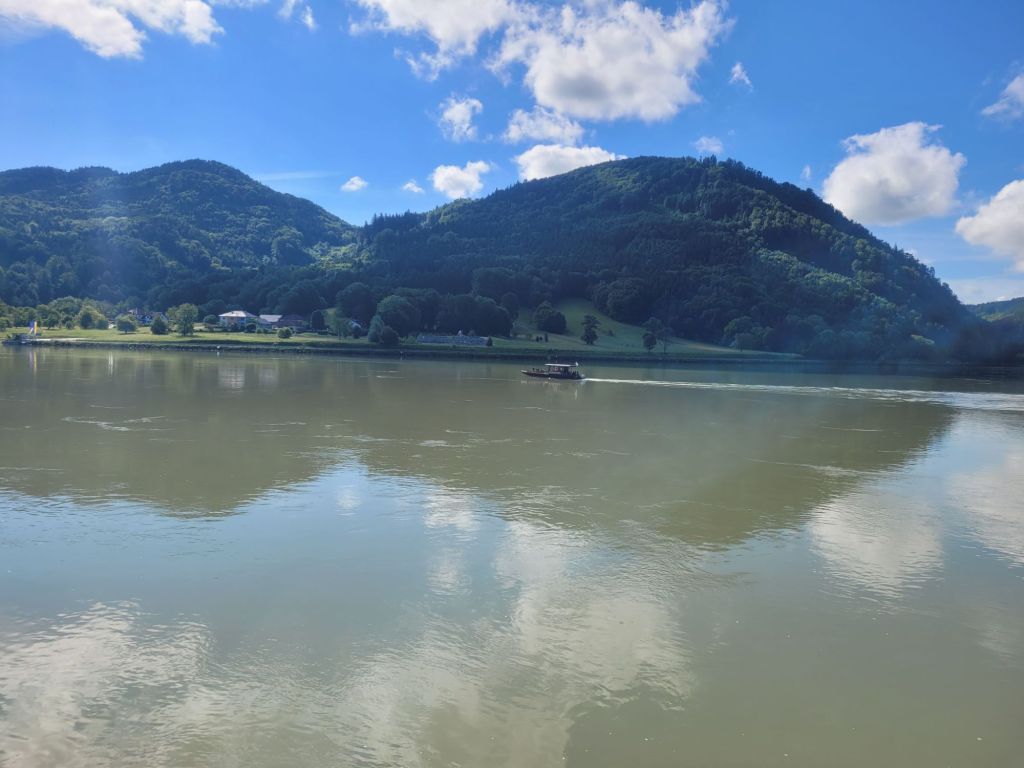
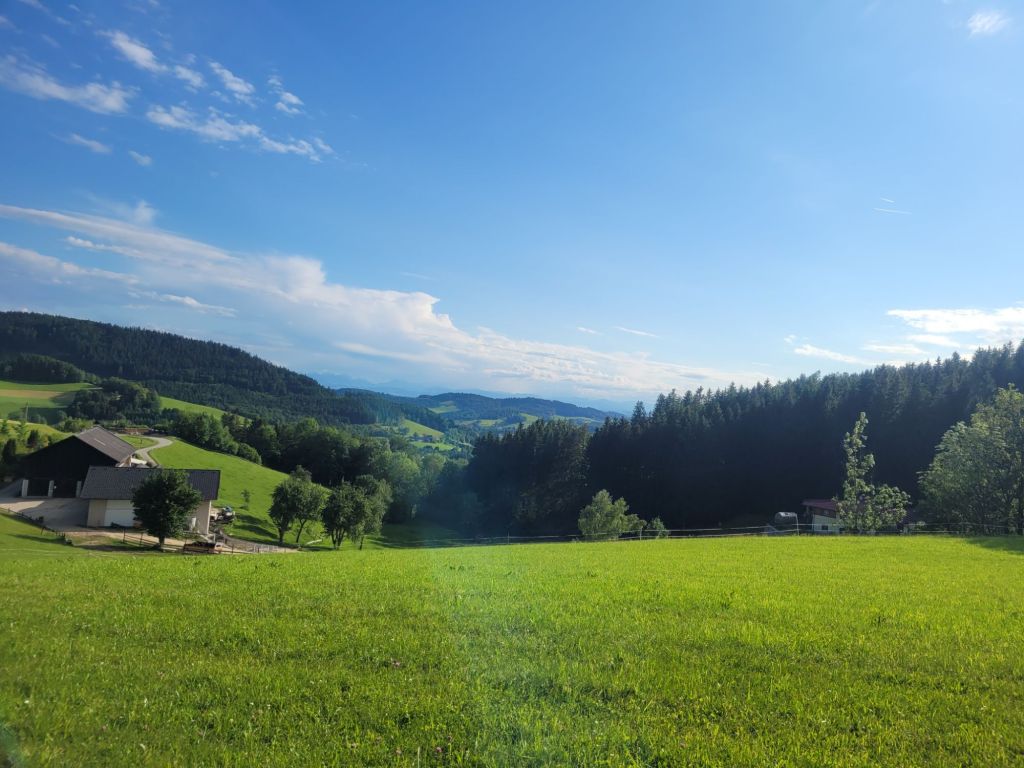
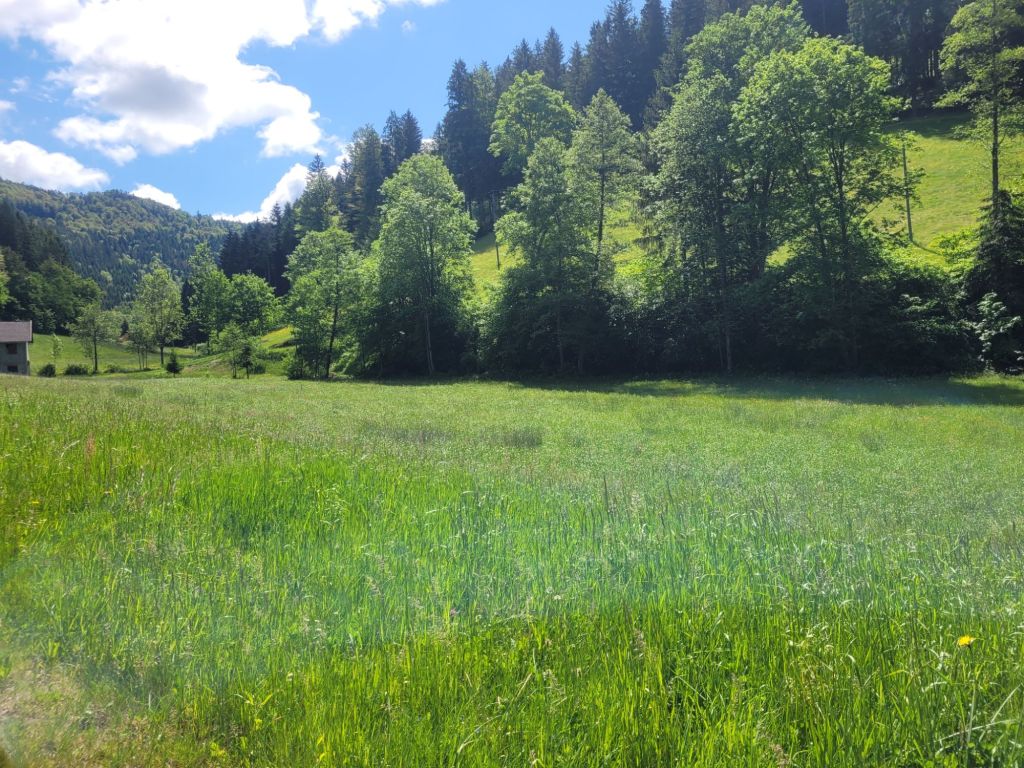
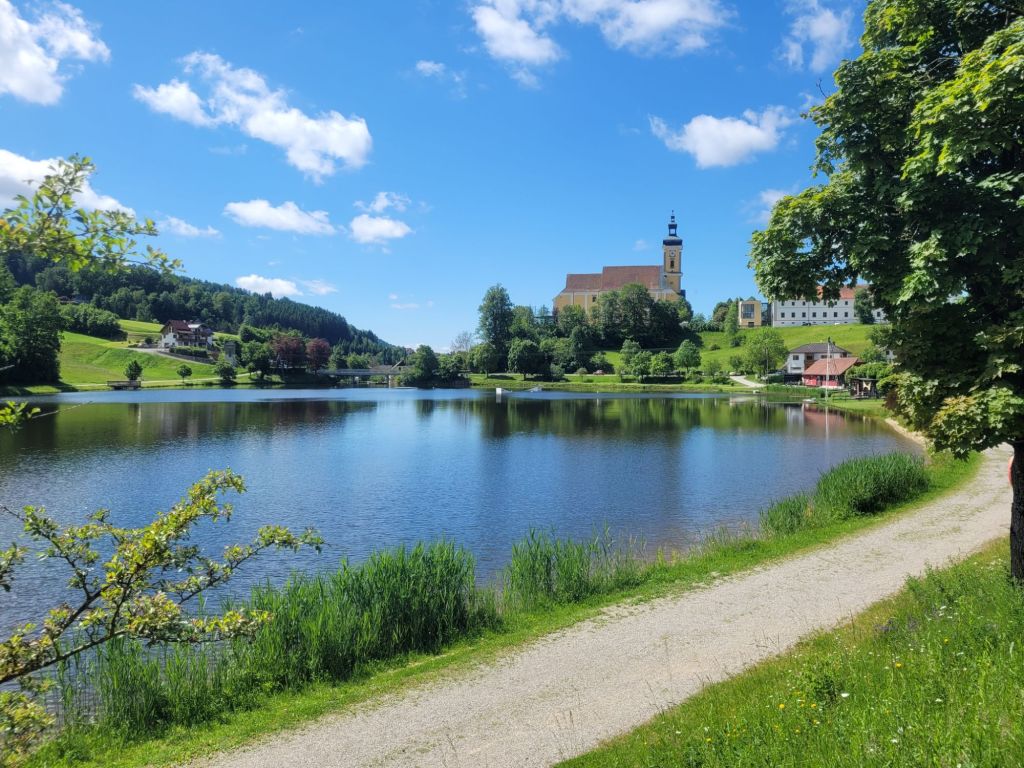
Driving through the forest north of the Danube was a bit hair-raising as the roads twist steeply (and narrowly) through the woods, while other (presumably more local) drivers treat it like the Neuburg Ring in Germany. It made for some rather exciting, if nail biting, encounters. But it was deeply green, with meadows studded with wildflowers and pretty villages.
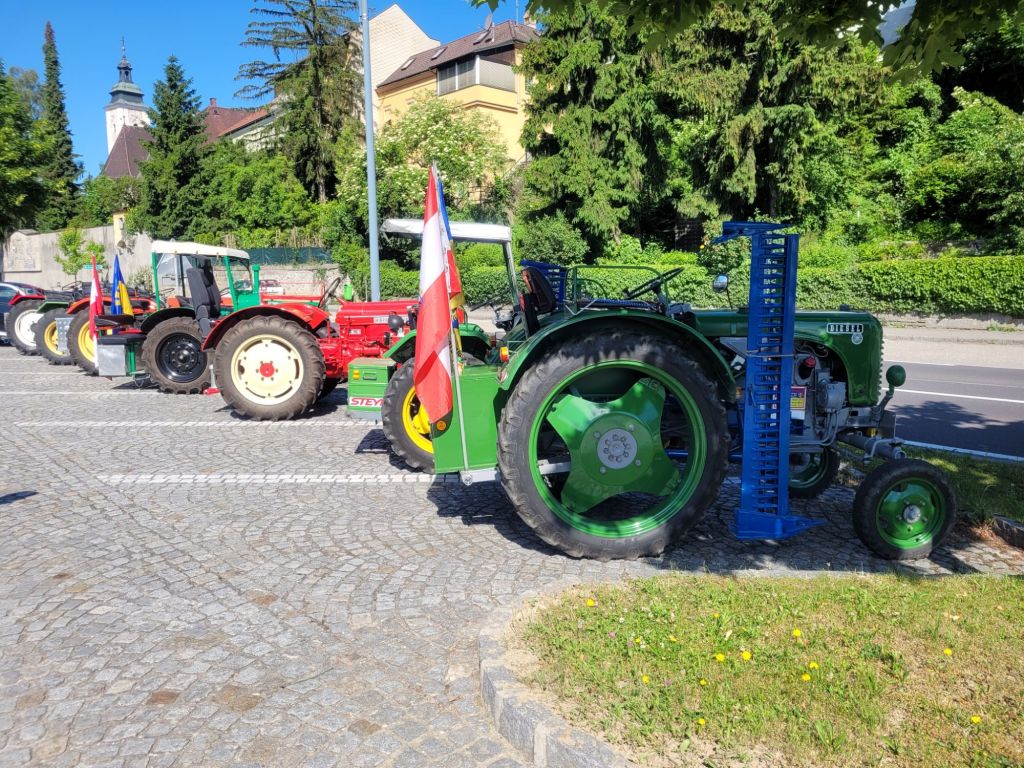
Back at Grein, a tiny ferry moved silently across the river, taking walkers and bikes to the path on the other side while a team of vintage tractors set out for a weekend show. It was marvellously tranquil.

Next stop Vienna!
 Retired? What now?