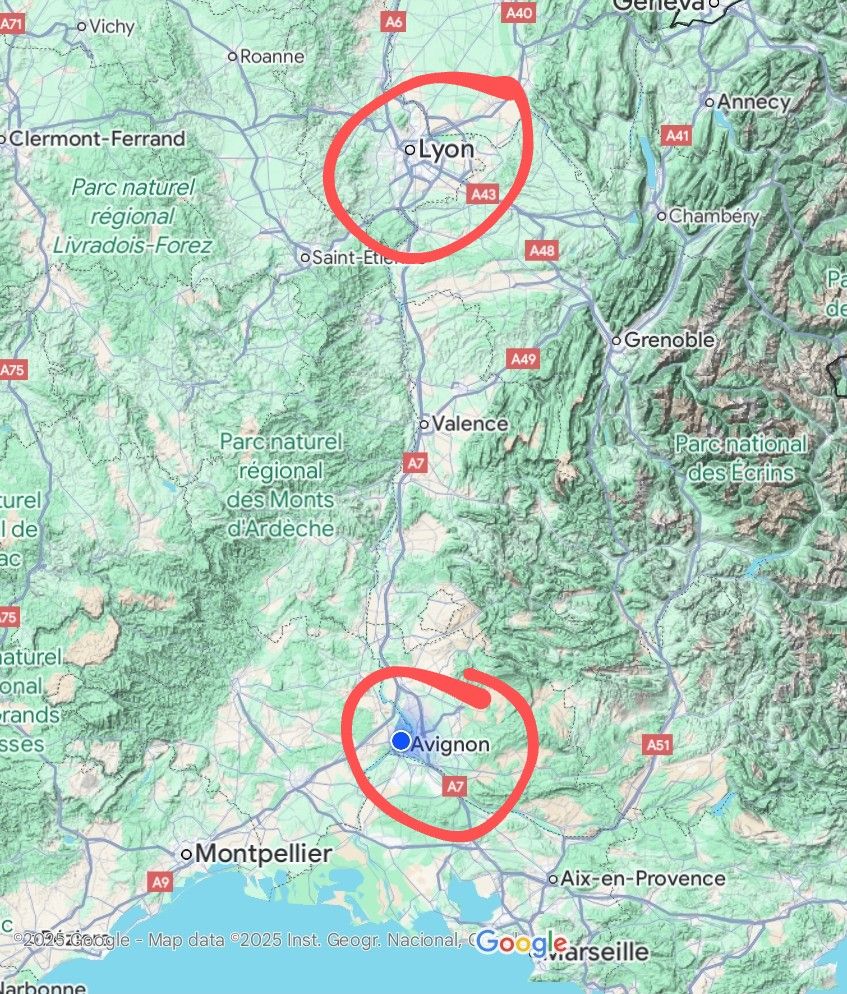
Getting to Perrache metro station from Fourviere is easy: down the funicular, one stop south-east on the metro to Bellecour then two stops south-west to Perrache. Simple. Getting from the metro station to the train station?
Tricky. Very, very tricky.
After going in circles following various contradictory signs, we realised that there was a coloured line on the floor leading to the train station. Thank goodness we left plenty of time – shades of Bologna train station haunted us as we trecked through under-passes and bus stations.
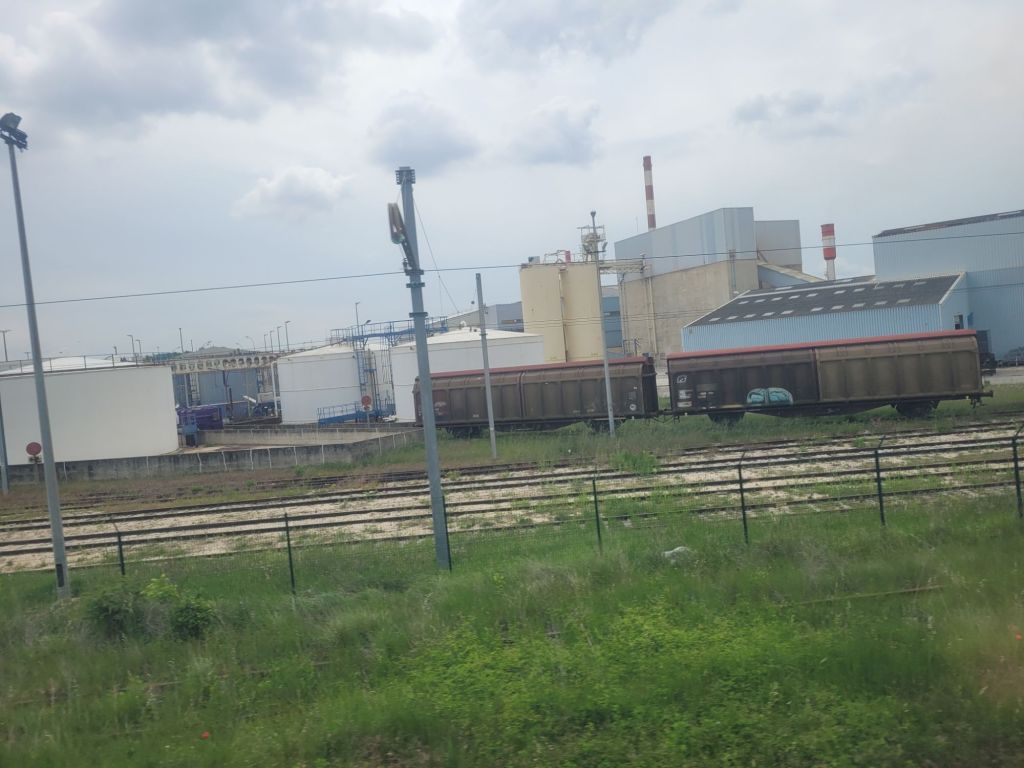
Over the Rhone and heading south, the train followed the same route through Vienne, past industry, both heavy and light (at least one large oil refinery, one aggregate or gravel storage facility and at least one electricity station). All along the journey, countryside, agriculture and industrial sites alternated.
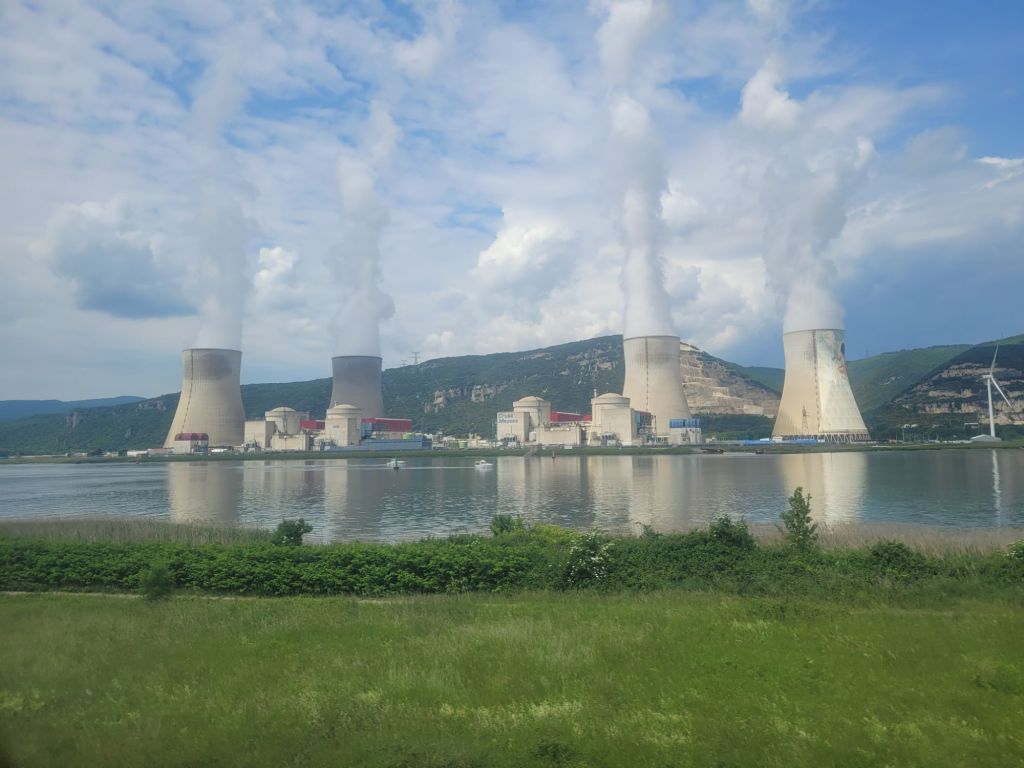
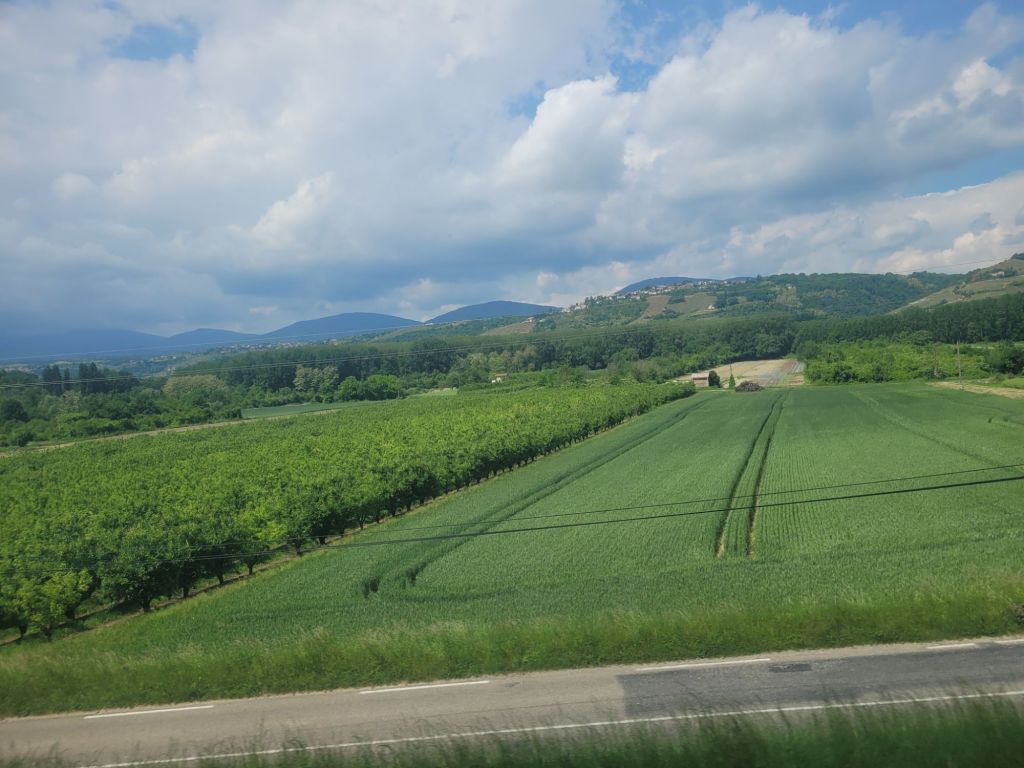

About half an hour from Avignon, it became both flatter and the soil became much poorer, such that the vineyards (extensive vineyards) we flashed past seemed rooted in stones and pebbles rather than soil. We were in major wine country, even I recognised some of the station names we passed.


The French train system was efficient and timely, our train left when it said it would and arrived exactly on time.
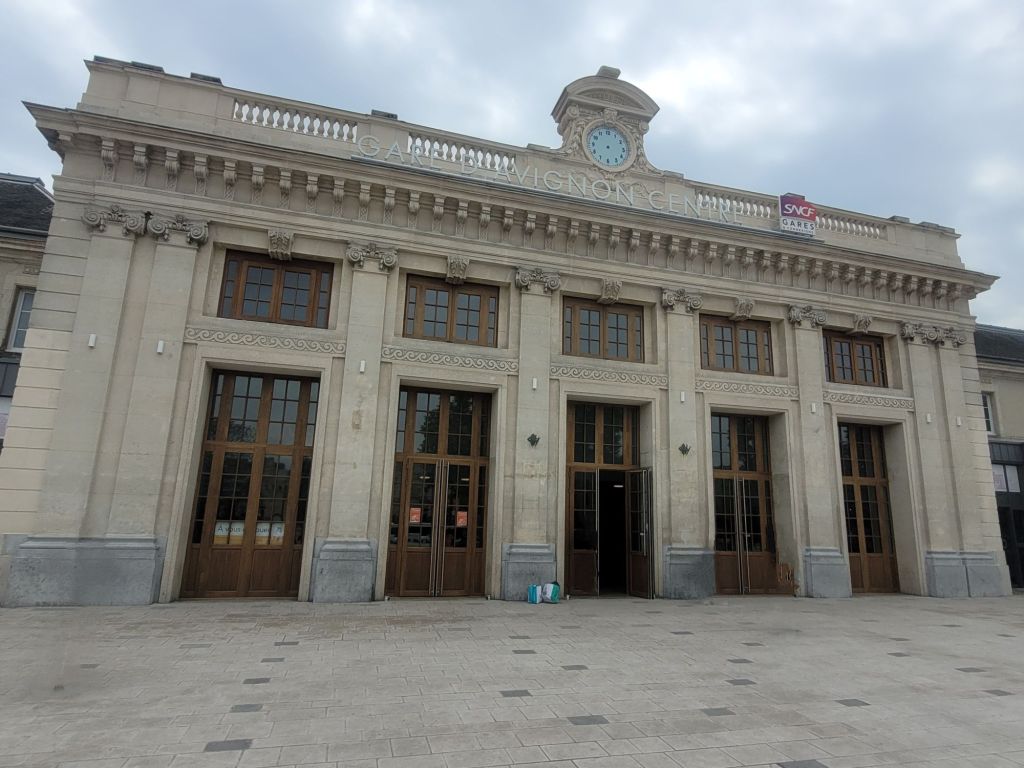
Avignon Centre station is a short walk to a main bus stop where the number five bus ran out to Villeneuve-les-Avignons, which is where we stayed.
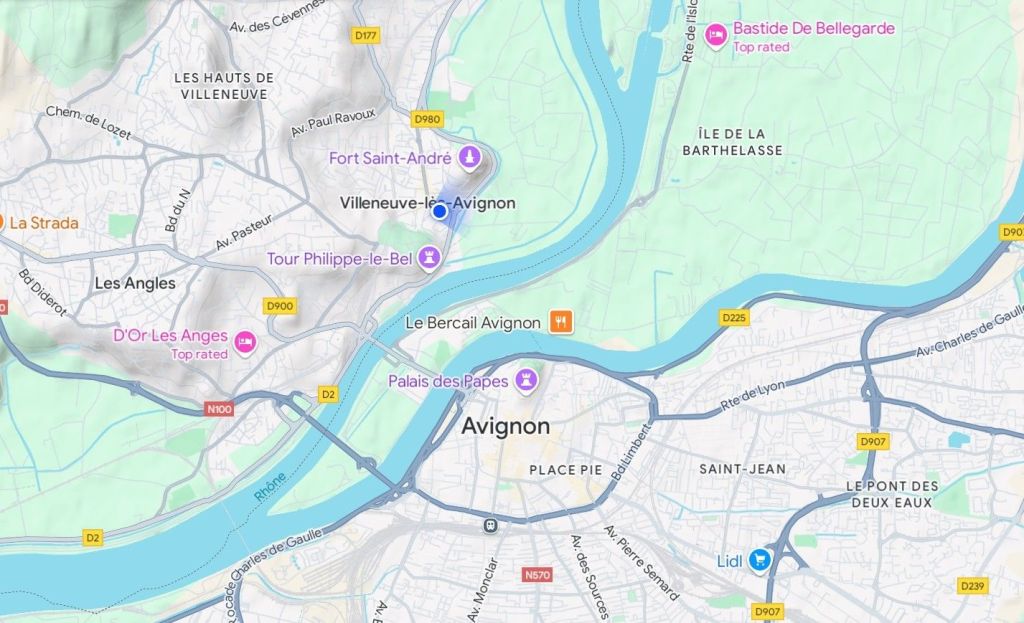
Villeneuve-les-Avignons is impossibly pretty and undeniably French – Provencal even. You just could not be anywhere else: nothing and nowhere looks the same.

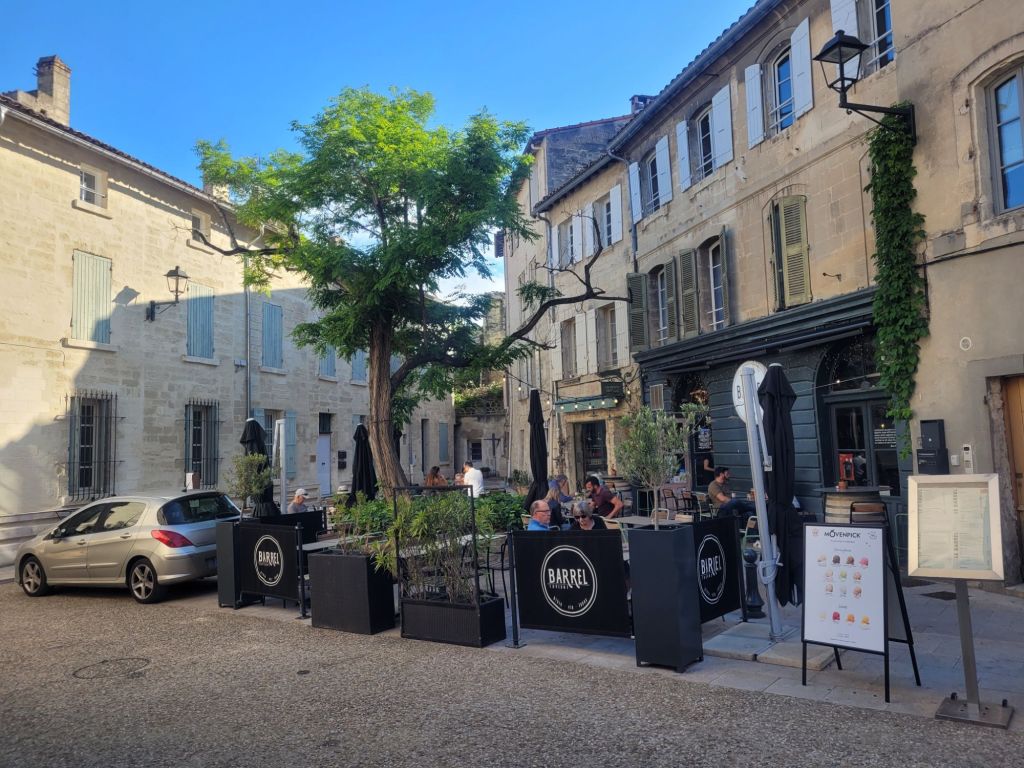
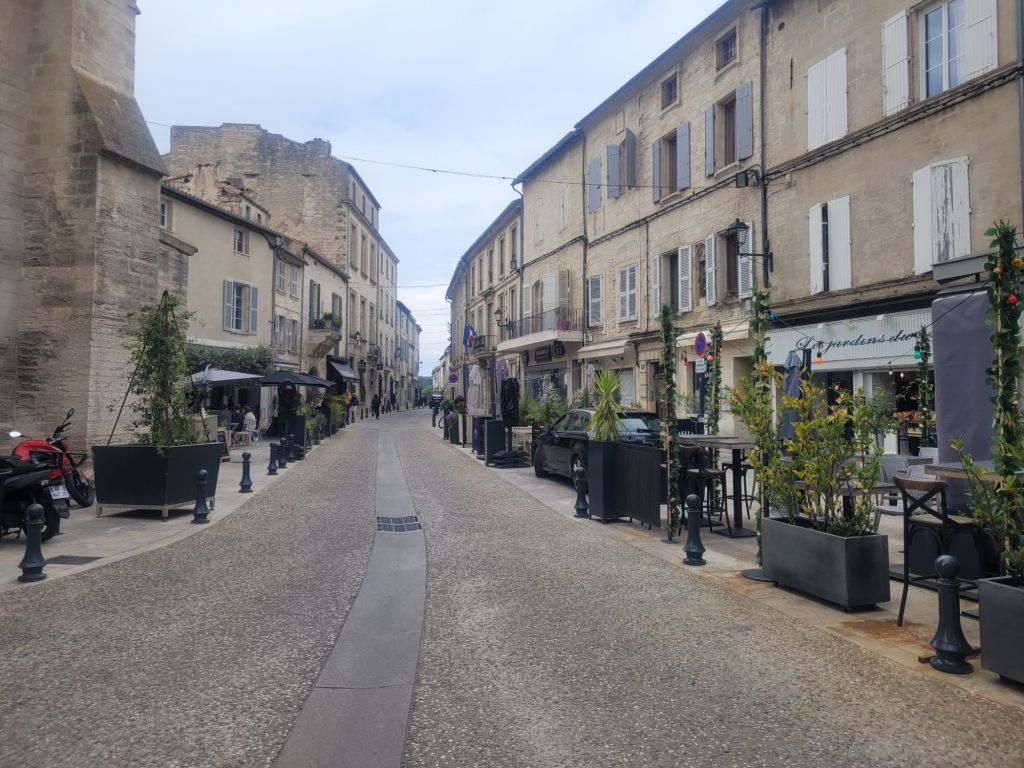
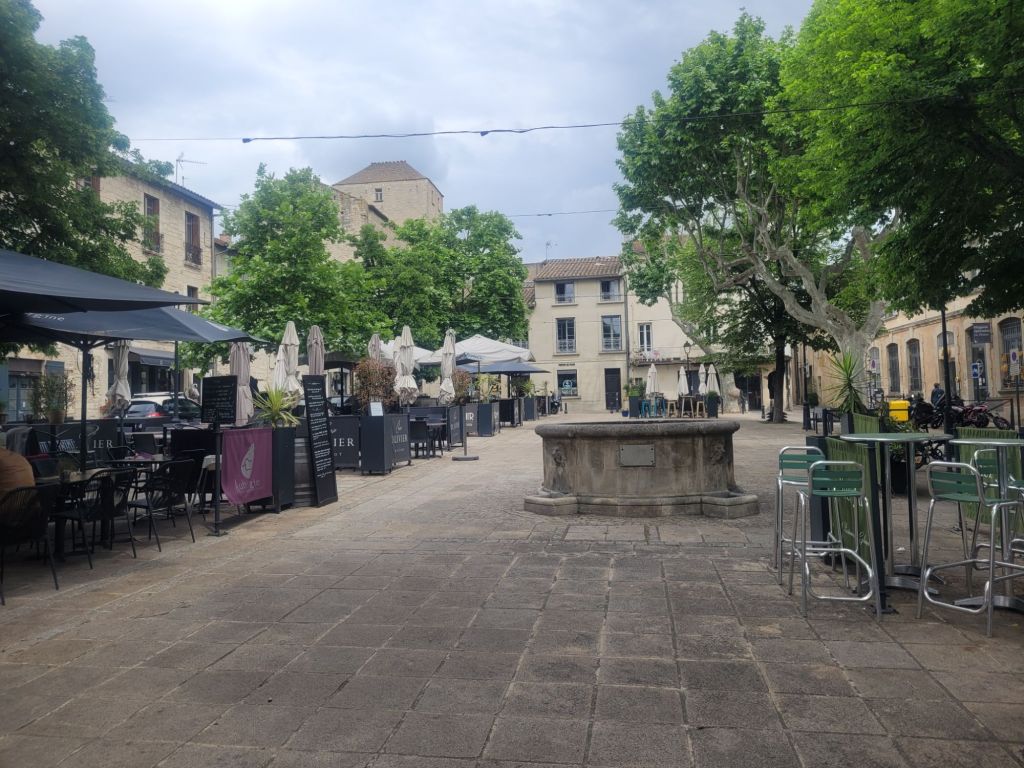
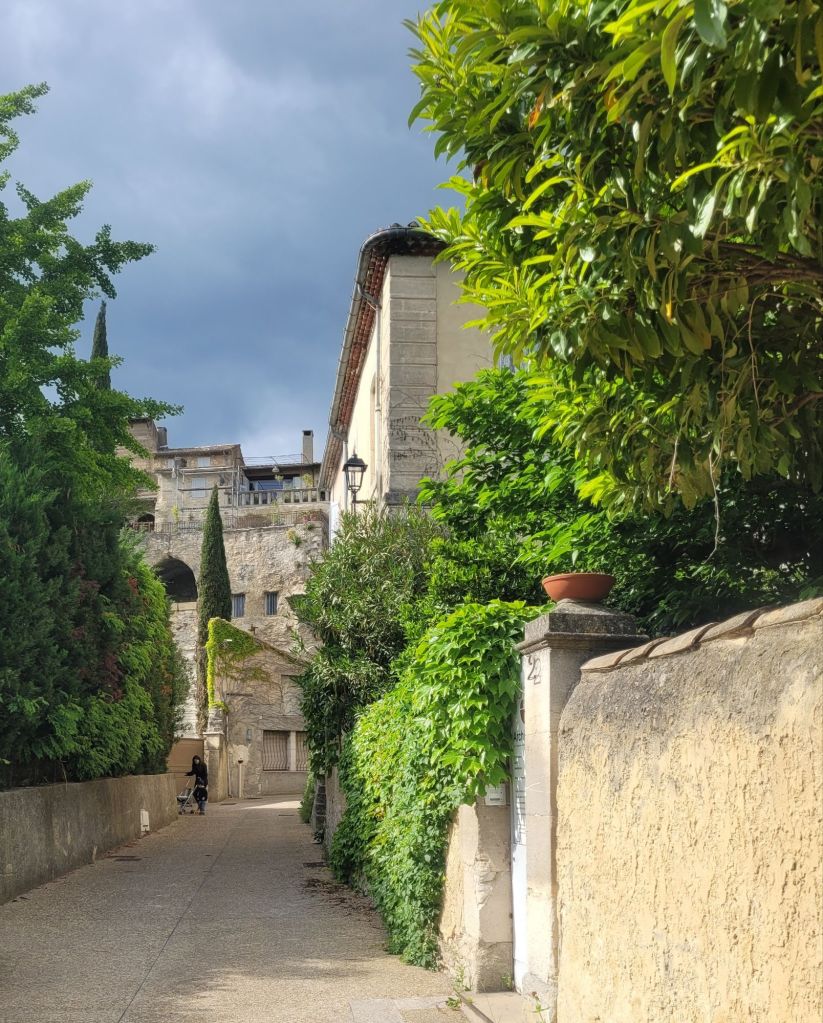
It’s a moneyed place – the (many) estate agents are full of properties that cost in excess of 800K (including an ‘opportunity’ for a total wreck of an ‘hotel’ for over 2.1 million) and the shops are decidely bougie.
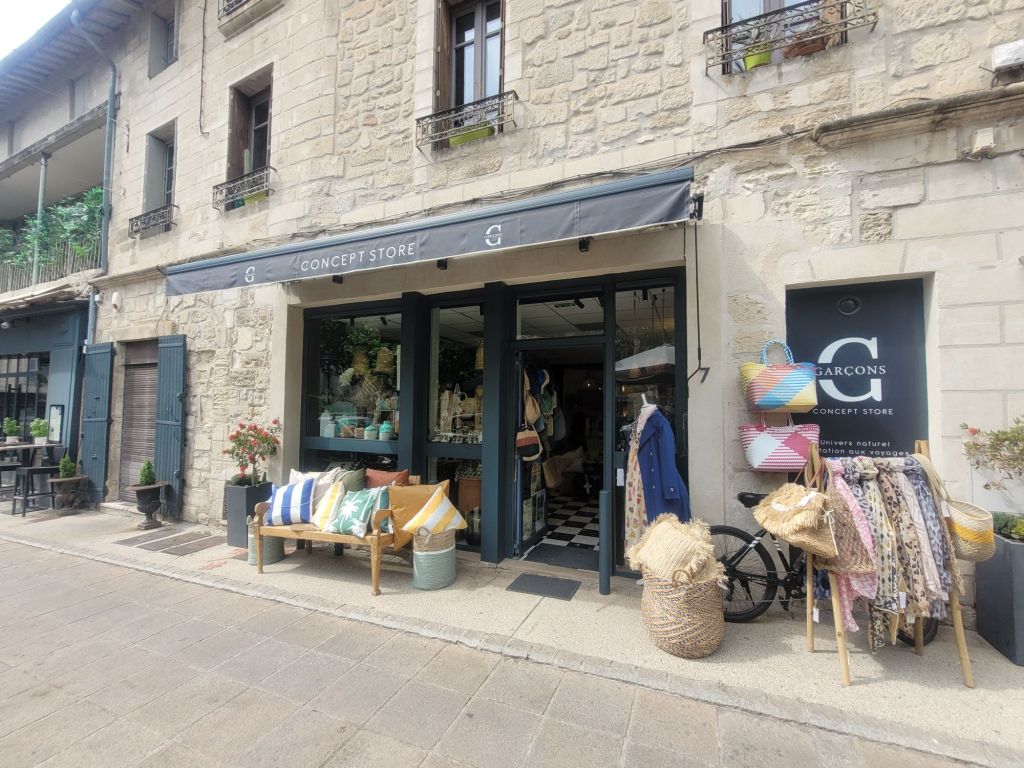
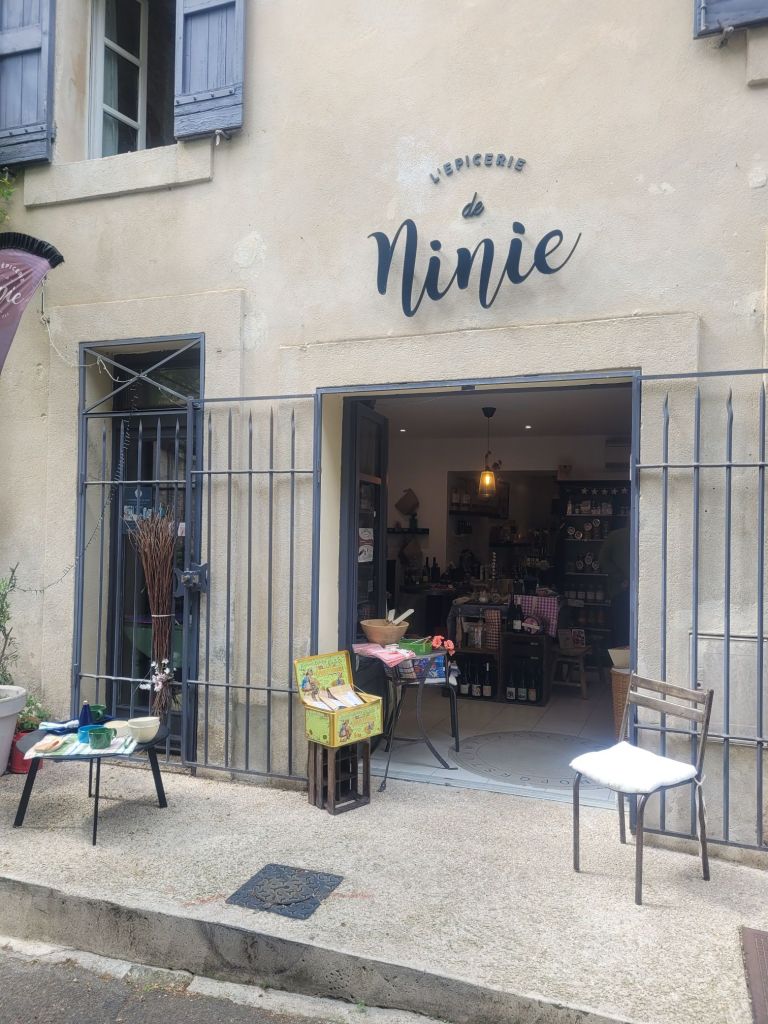
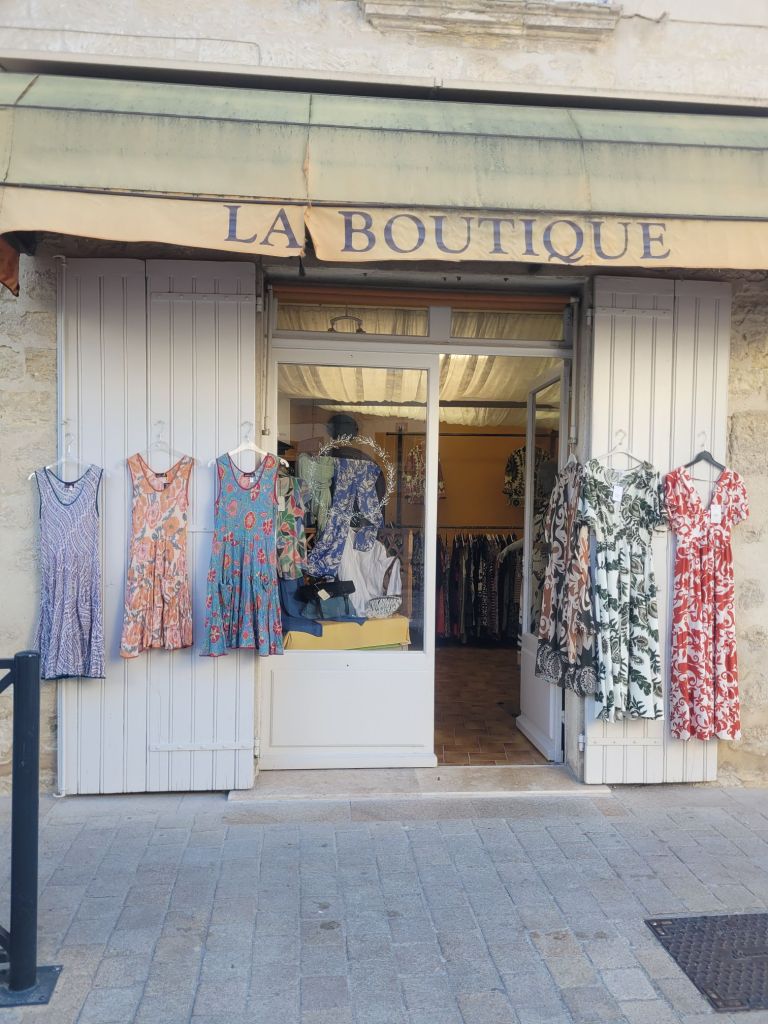
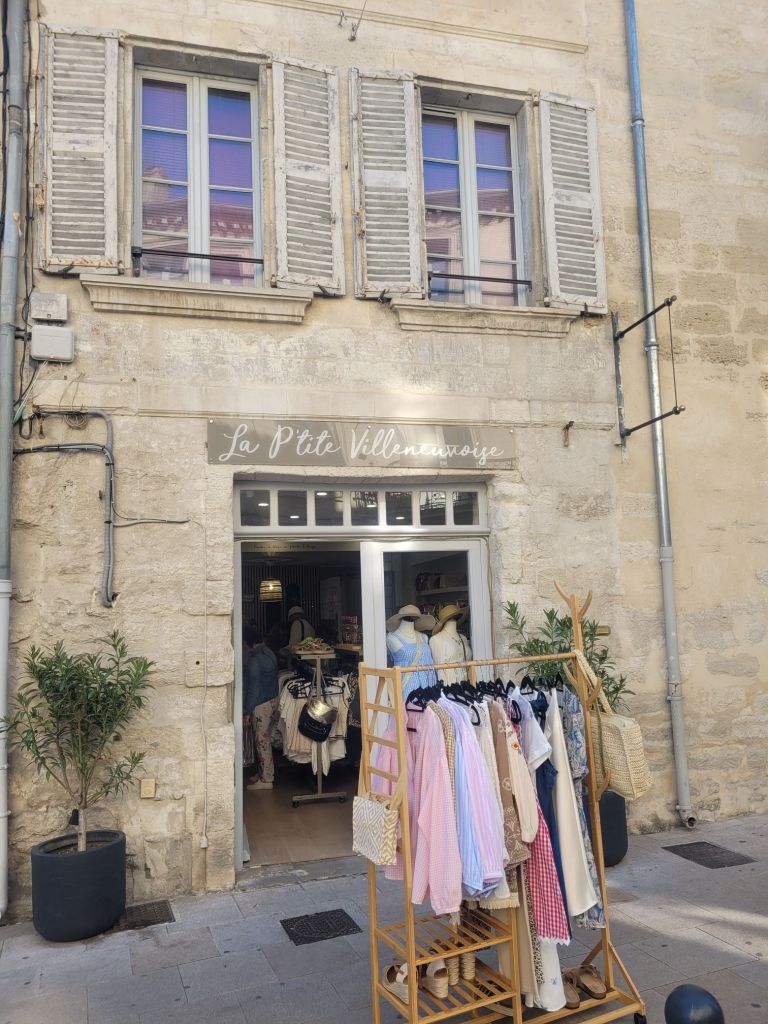
Houses wear shutters in many different colours and most are in good condition, although we did spot a few intriguing options in need of some work.

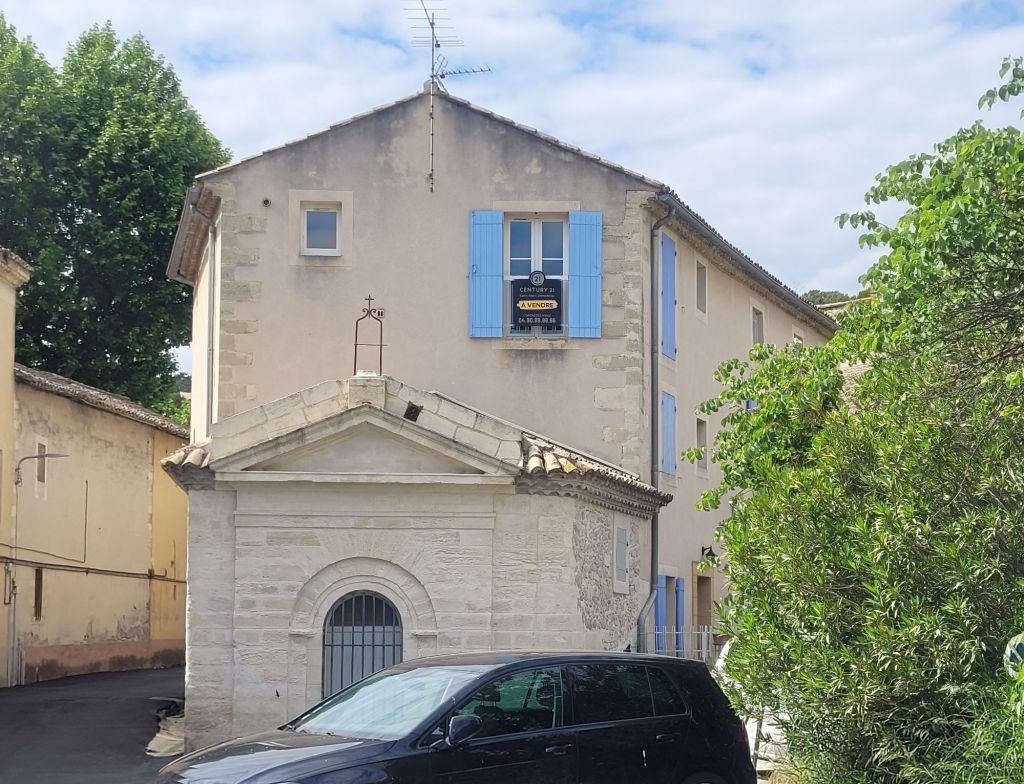
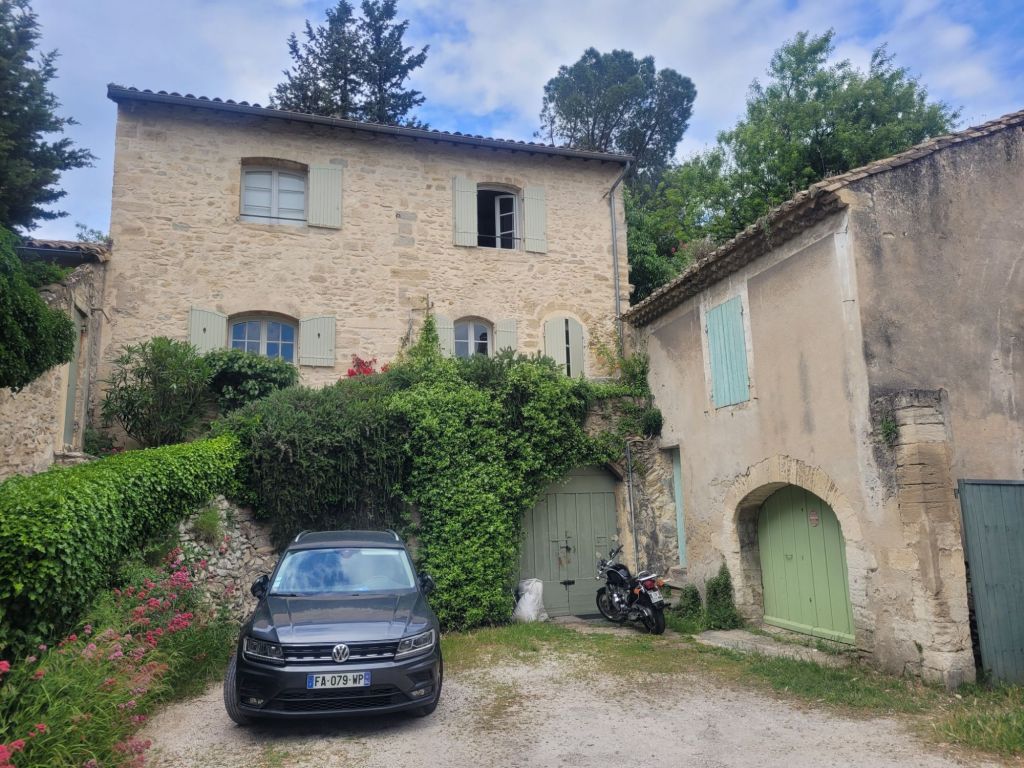
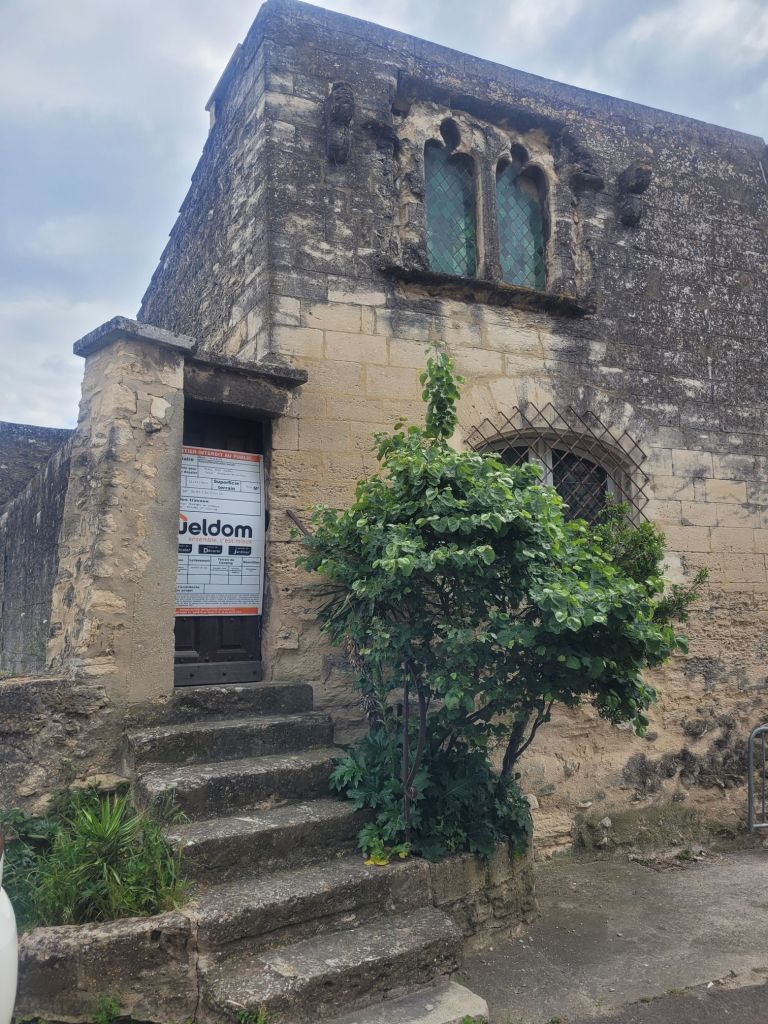
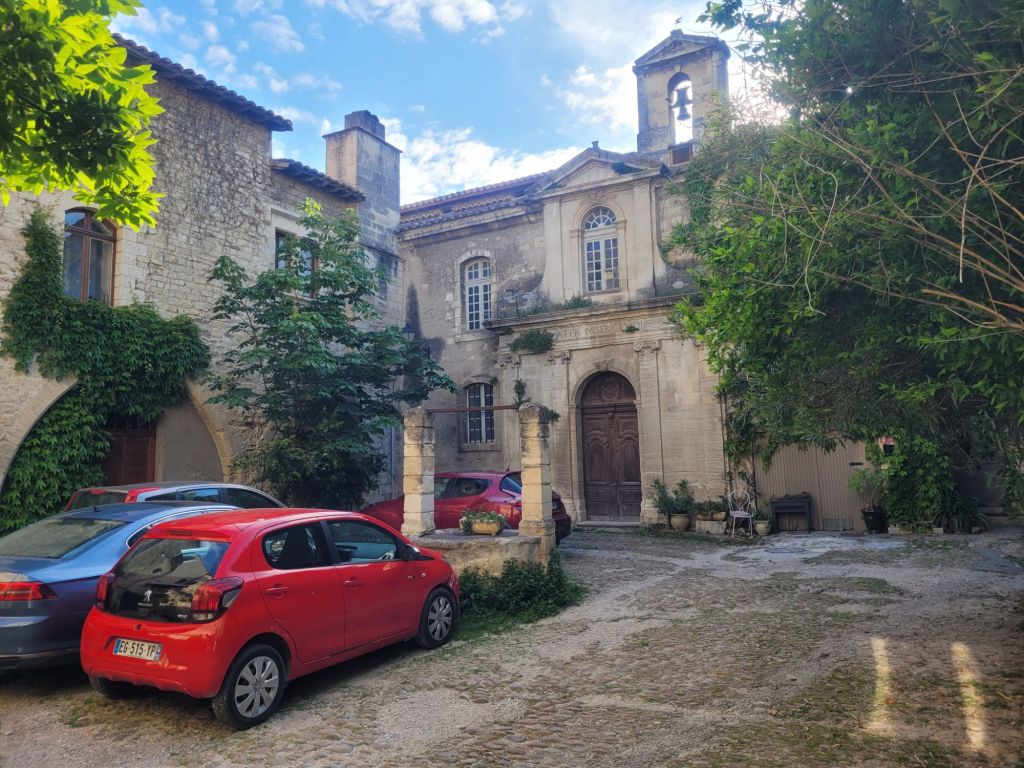
Lots of restaurants (most of which looked decidedly nice), mostly new cars (none of the all-too-frequent antique citroen held together with bailer twine and gaffer tape) and a fair sprinkling of tourists – both French and foreign.
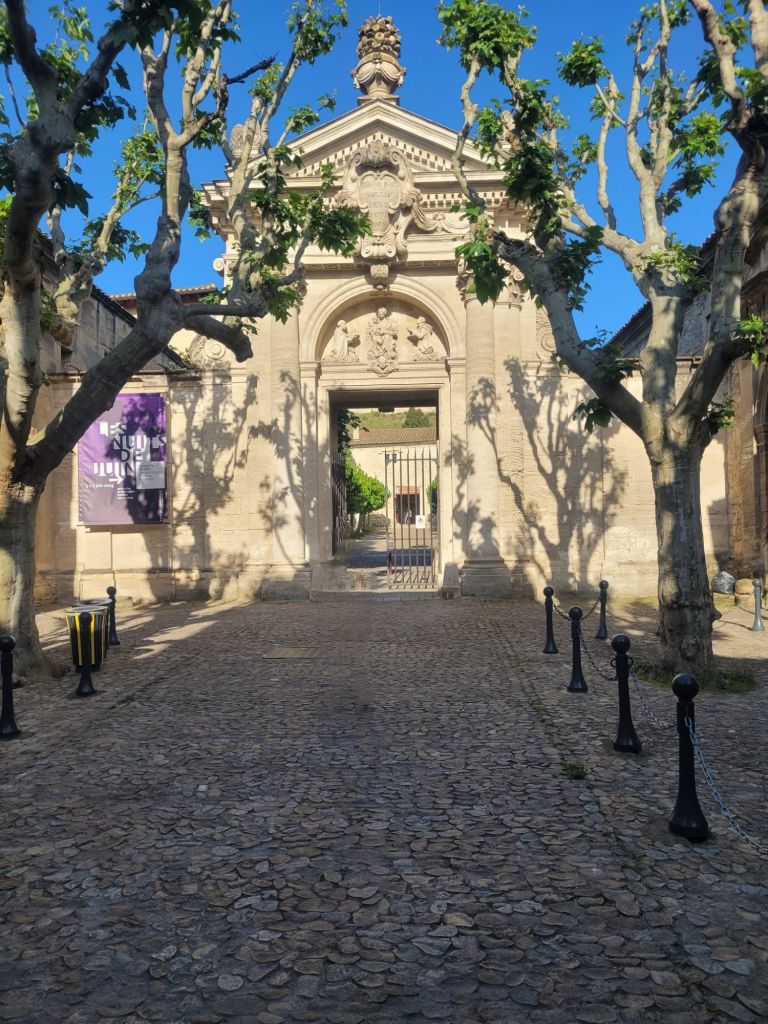
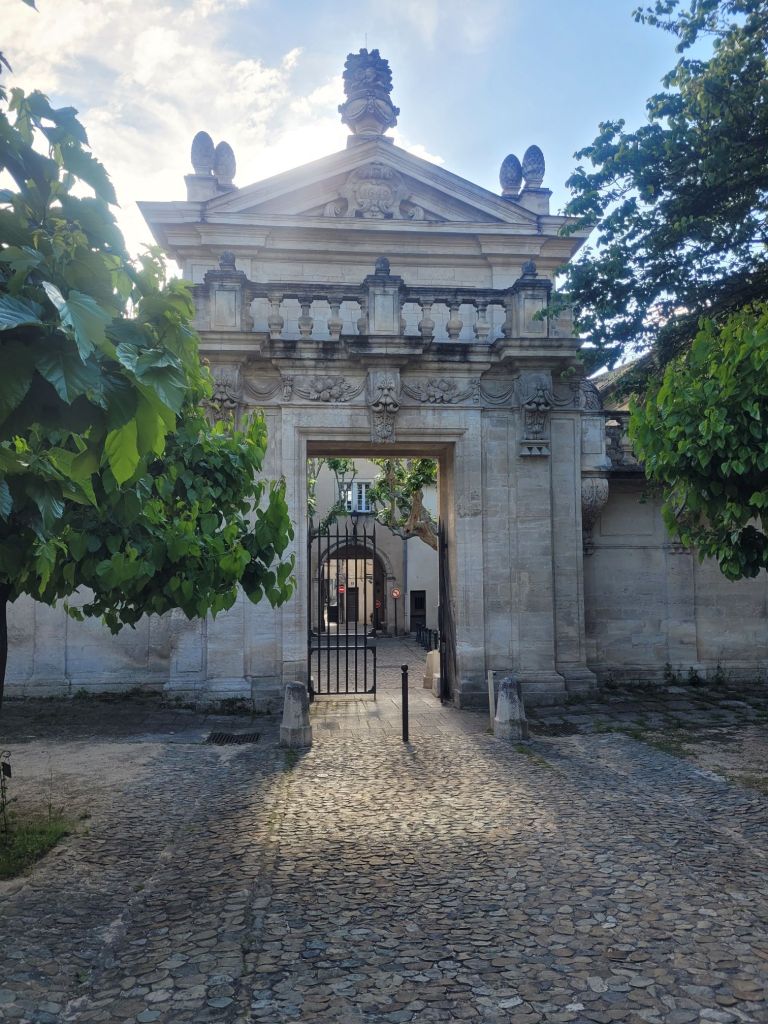
While walking down a main road, an entrance into a Carthusian (Chartreuse) monastery suddenly appears – which was a bit unexpected. It dates from the mid 14th century, founded by one of the many popes associated with this region. It was one of the largest (if not the largest) monasteries in France until the Revolution, when various bits were either destroyed or sold off. Since the 1970s it has become a cultural centre, particularly for writers. Having walked enough that day, we chose not to take the tour.
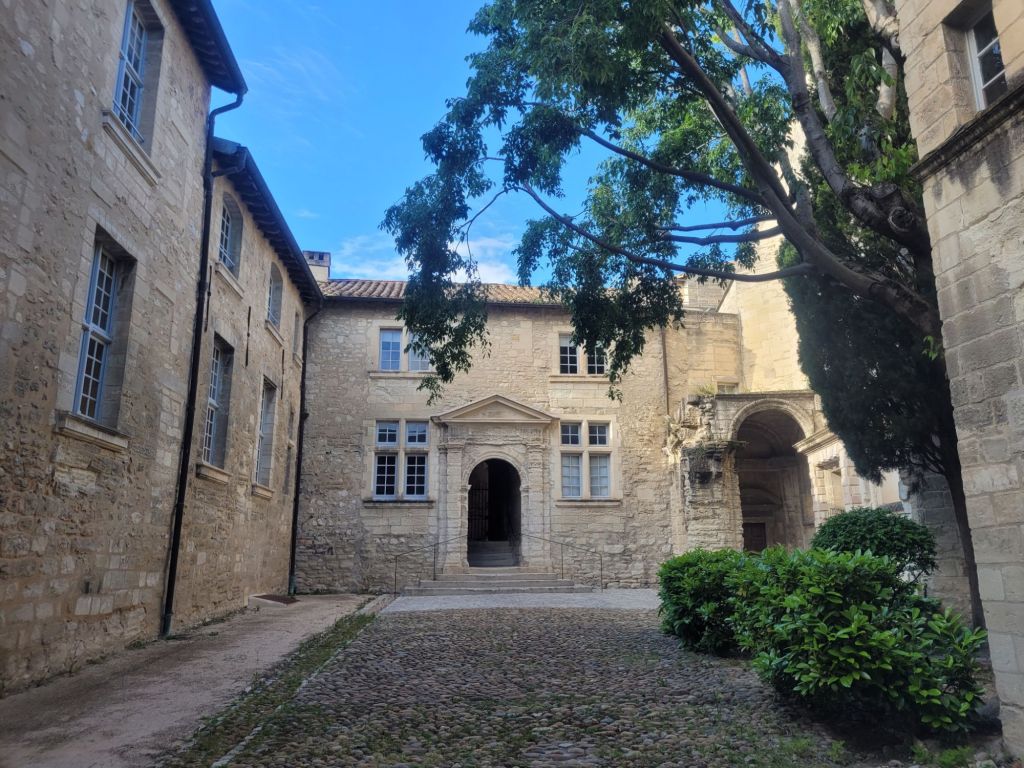
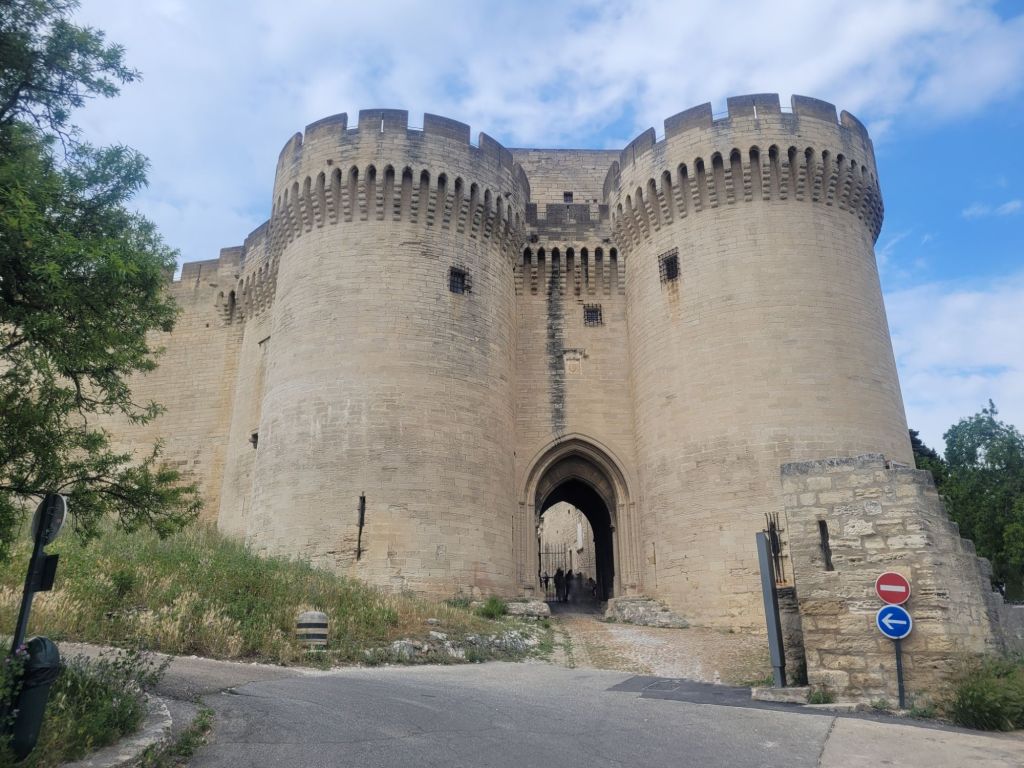
Above the town – and part of the reason the town is there in the first place – is Fort and Abbey Saint-Andre, strategically positioned in what was, in the 13th century, a frontier with the Holy Roman Empire. Initially there was a small settlement inside the battlements, but soon the town moved to the foot of the hill. The fortress also protected the Abbey, which is apparently one of the oldest monuments in the town and, along with the Tour Philippe-le-Bel, was part of the defence of the Rhone river.
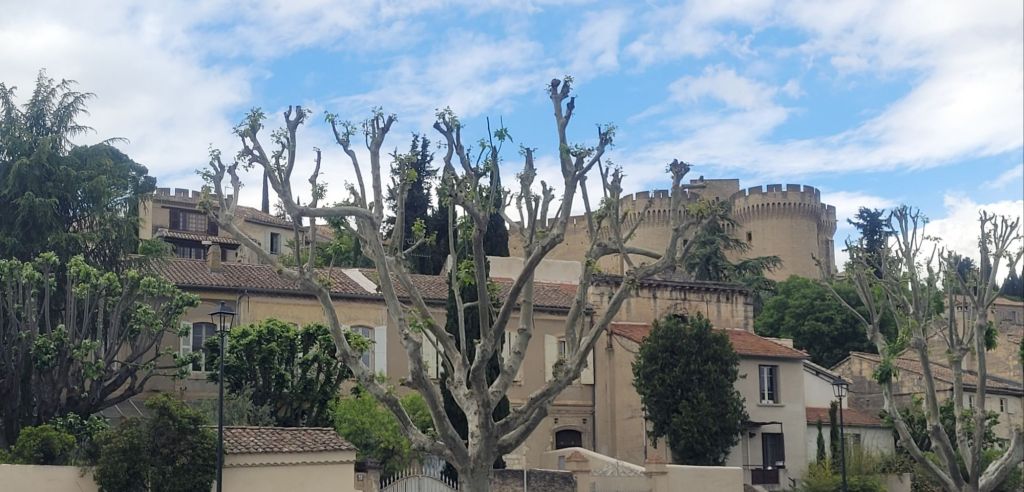
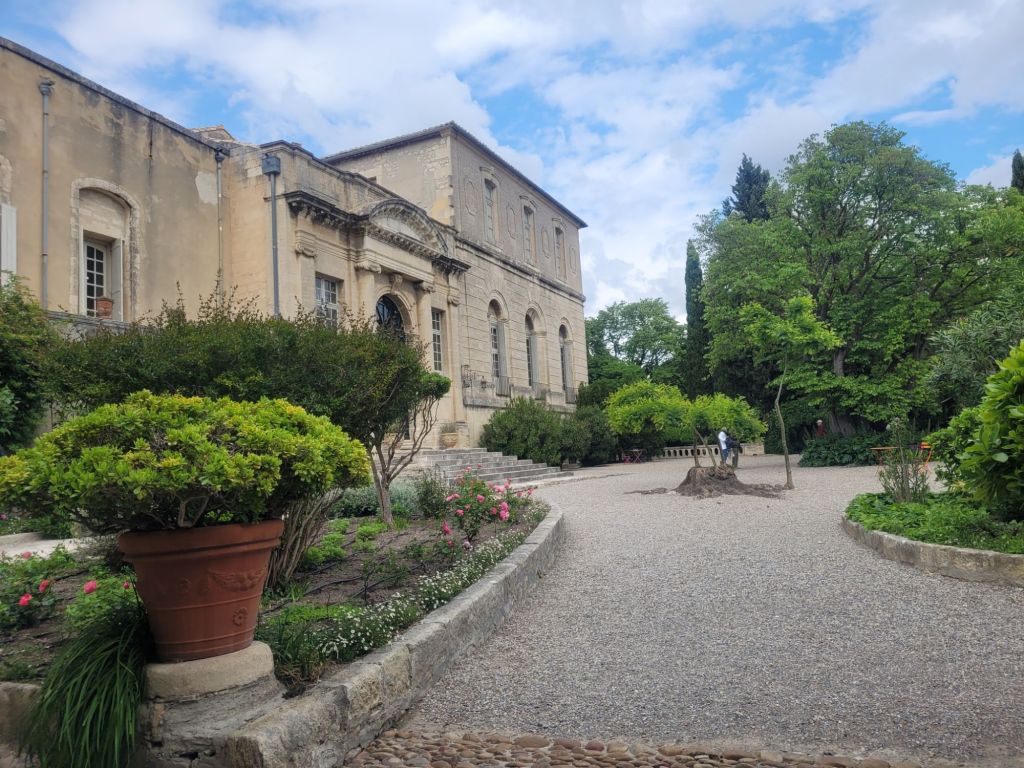
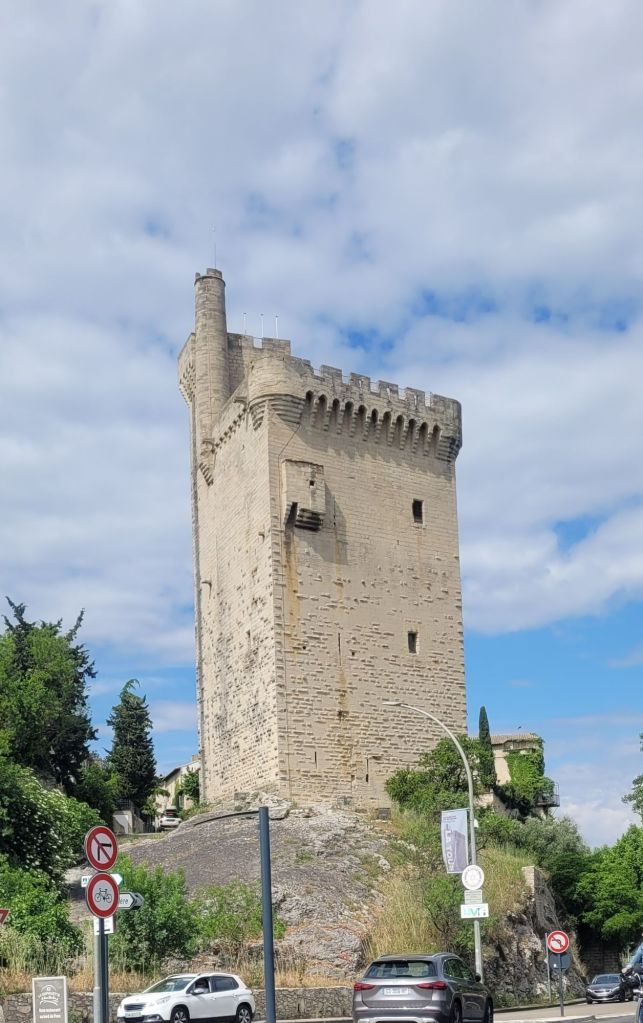
The history of this area is, to say the least, complex. Once the Roman Empire falls and Christianity enters the lists, things get confusing and, dare I say it, slighly irrational. There are popes, anti-popes, false popes (athough maybe those last two are the same?), the Albigensian Crusade (the one where the Cathars were eliminated), Franks, various different regnal names, the Holy Roman Empire, the Catalans … Every time I think I have some rough grip on the connections between events and places, another piece of information comes along and re-tangles my understanding. Most confusing for me is how this area is connected to the Albigensian campaign against the Cathars in Languedoc, which is on the other side of the country. This may require some lengthy research.
Avignon itself next.
 Retired? What now?