Bordighera has a long past, with Paleolithic remains in the area and some Roman remains – it is, after all, on one of the main Roman routes into France, the Julia Augusta.
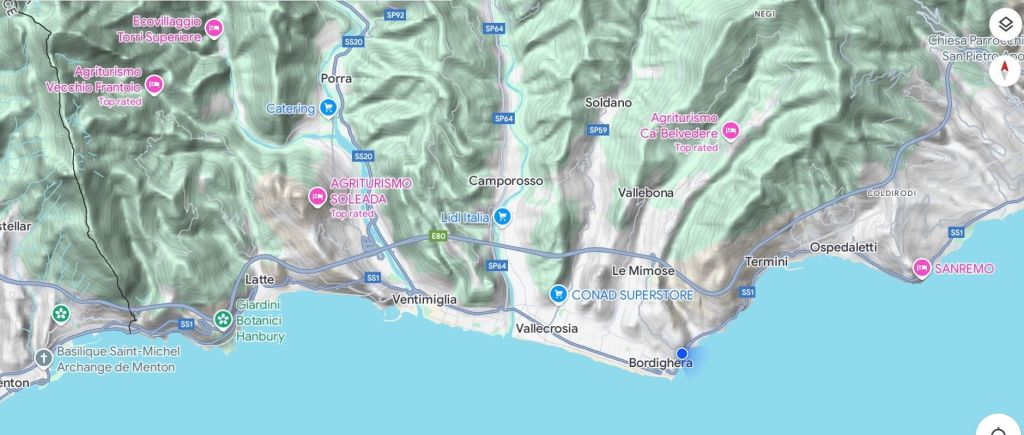
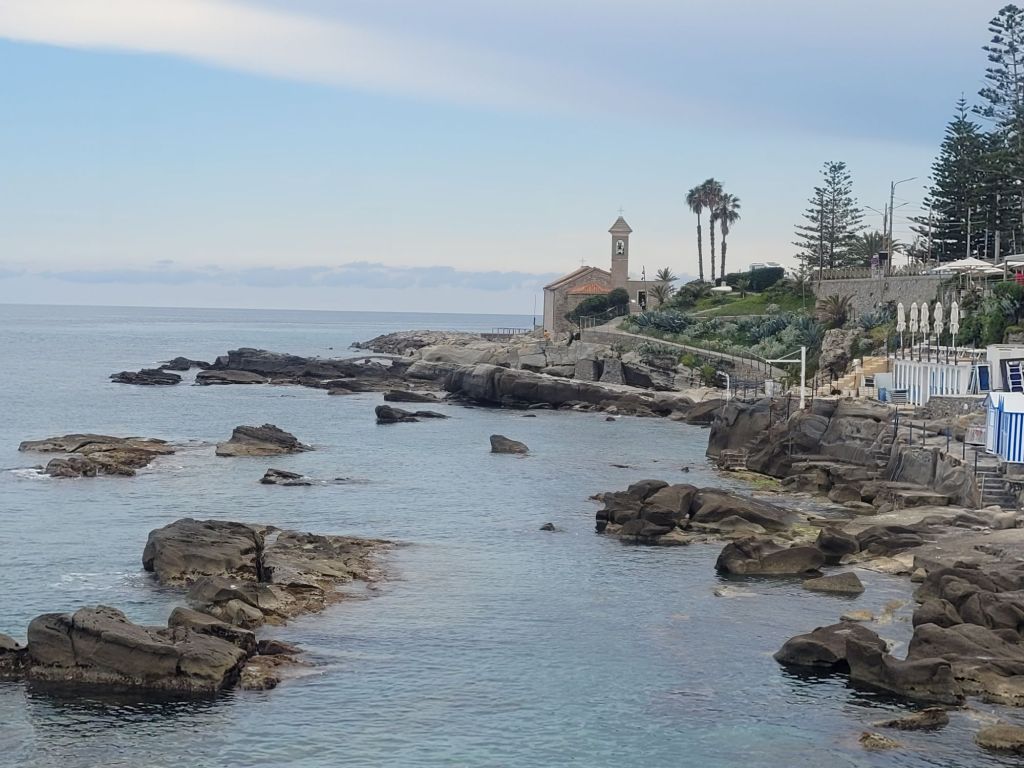
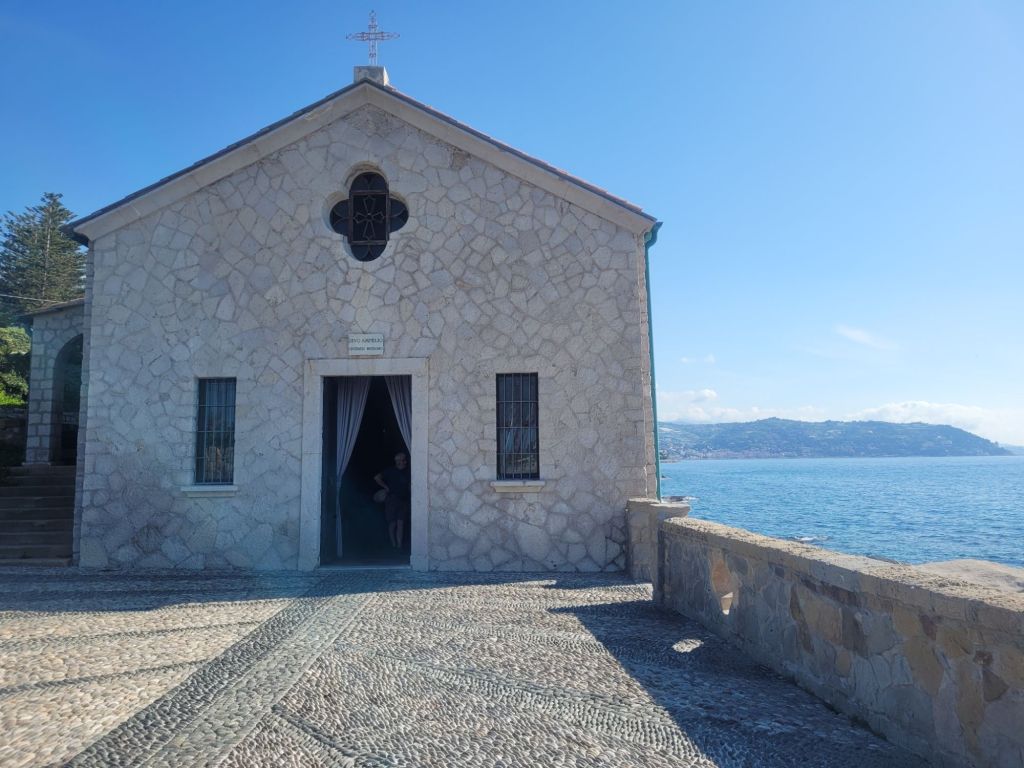
In the early part of the fifth century, a north African hermit (possibly from Egypt) or anchorite called Ampelio arrived in Bordighera, bringing with him the seeds of date palms (or so the story goes). After his death, numerous miracles were attributed to him: he became the patron saint of Bordighera, with a small church erected over the cave he is said to have lived in. The date palms still exist, considered the most northerly stands of these palms in Europe; palm fronds are still sent to the Vatican for Palm Sunday and Bordighera has been referred to as the ‘town of palms’.
The strategic importance of the town, recognised at some point in the 16th century by various local rulers, led to the construction of a fortified small town on the hill above the coast (by this time the Saracen piracy had calmed down) – and some strife between said rulers.
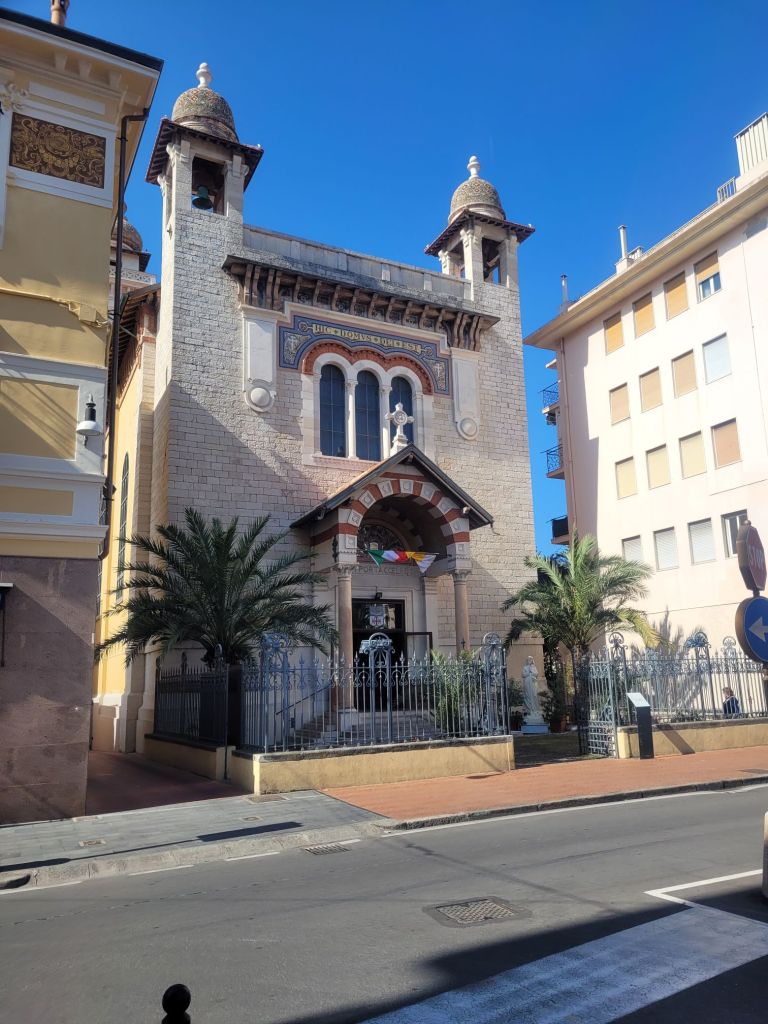
Much of Bordighera’s fame, however, stems from its popularity with various creative people – the architect Claude Garnier (designer of the Paris Opera House) and Monet being key examples. Discovered by the English in the mid-19th century, it became a popular seaside town for those with the money to travel: there were so many English living in the town that a Protestant church was built – it’s now a cultural centre.
The arrival of the railroad in 1877 facilitated tourism and over the years, the rich and famous visited Bordighera: English Prime Ministers, Empress Eugenie, Eva Peron, alongside Regina Margherita (first queen of Italy) and a host of artists and writers. At the outset of World War II, however, the English abandoned the town and tourism suffered in the aftermath of the war.
Today the local economy relies on tourism, olive oil and the cultivation of plants and flowers.
Along the broad Lungomare Argentina (the naming of which is linked to Eva Peron), cafes, restuarants, bars and lidos were painting, refurbishing, extending and renewing with stacks of decking, boarding, chairs, deckchairs and lockers waiting to be deployed for the main summer tourist season.
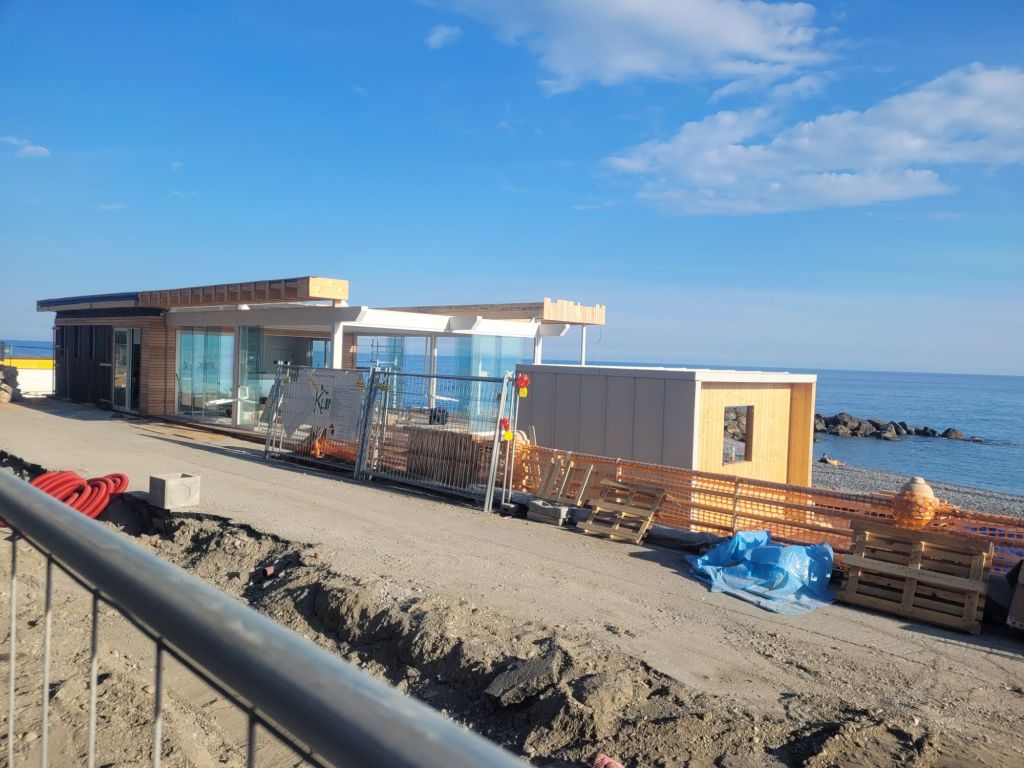

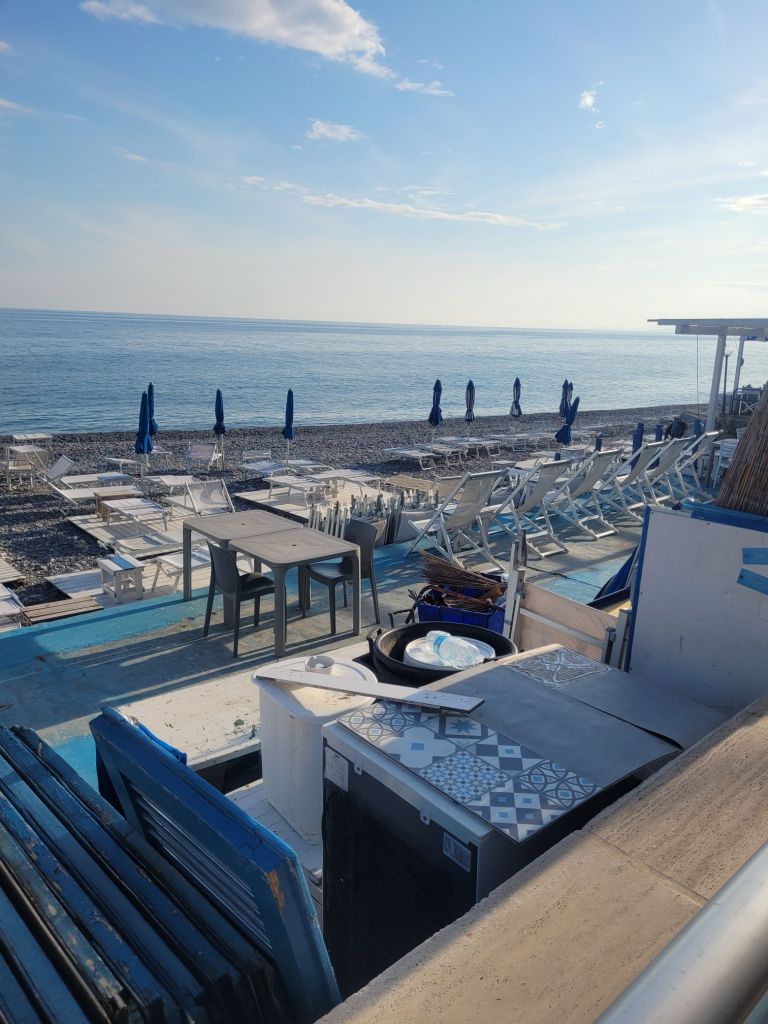


The beach is either rocky (as in large rocks) or coarse grey sand and pebbles. It isn’t the most attractive beach but it slopes gently and a few (vary) hardy souls were in the water. Roger said it was ‘on the cool side’ (ie freezing); apparently the water is fabulous in September, and people were still swimming in November last year. Maybe in wet suits?

Much of the ‘new’ town is along the coast with the railway line running right alongside, seperating both the beach and some of the property from the rest of the town: I suppose they didn’t think about beach access or views or even noise when it was originally built.

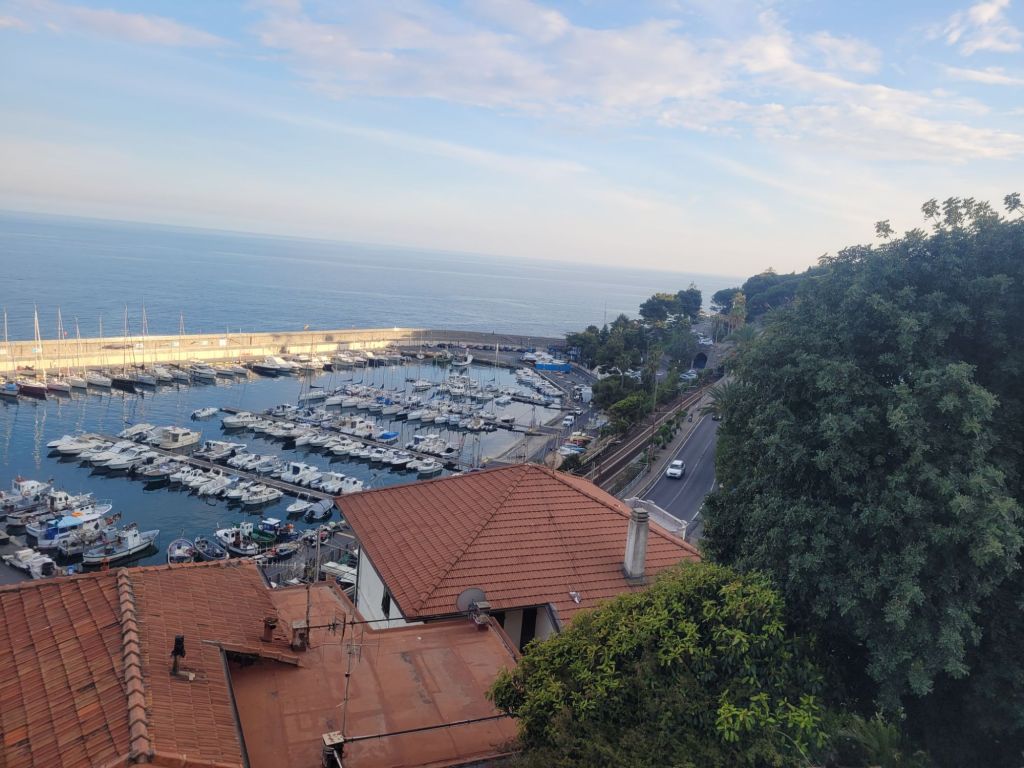
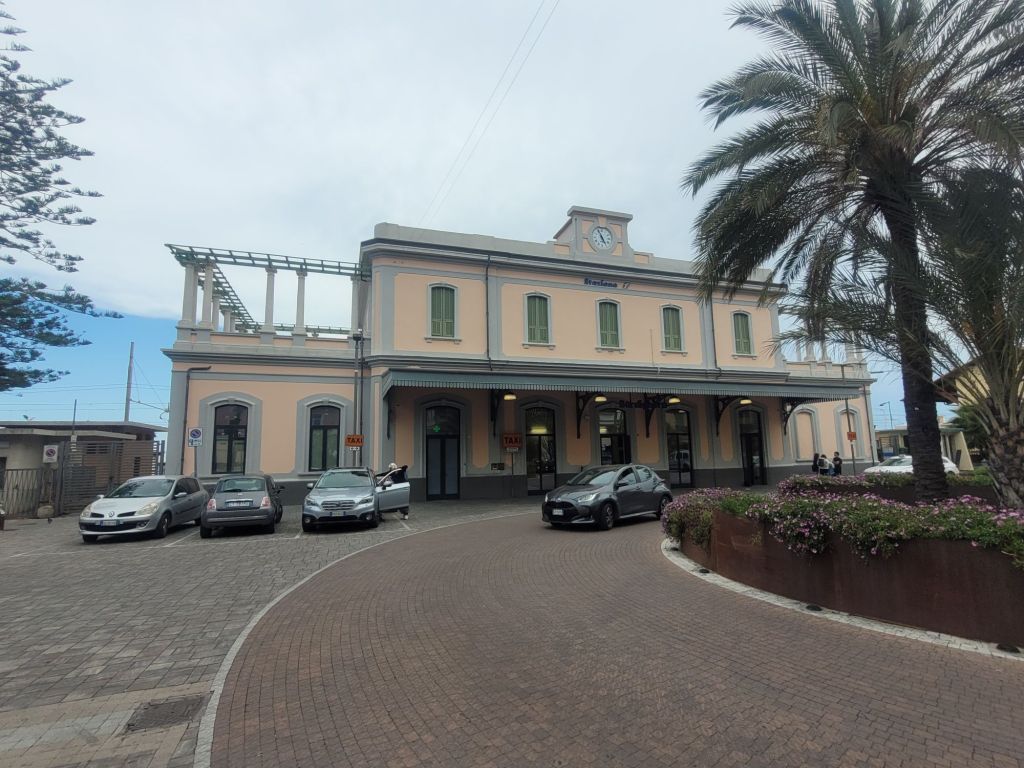
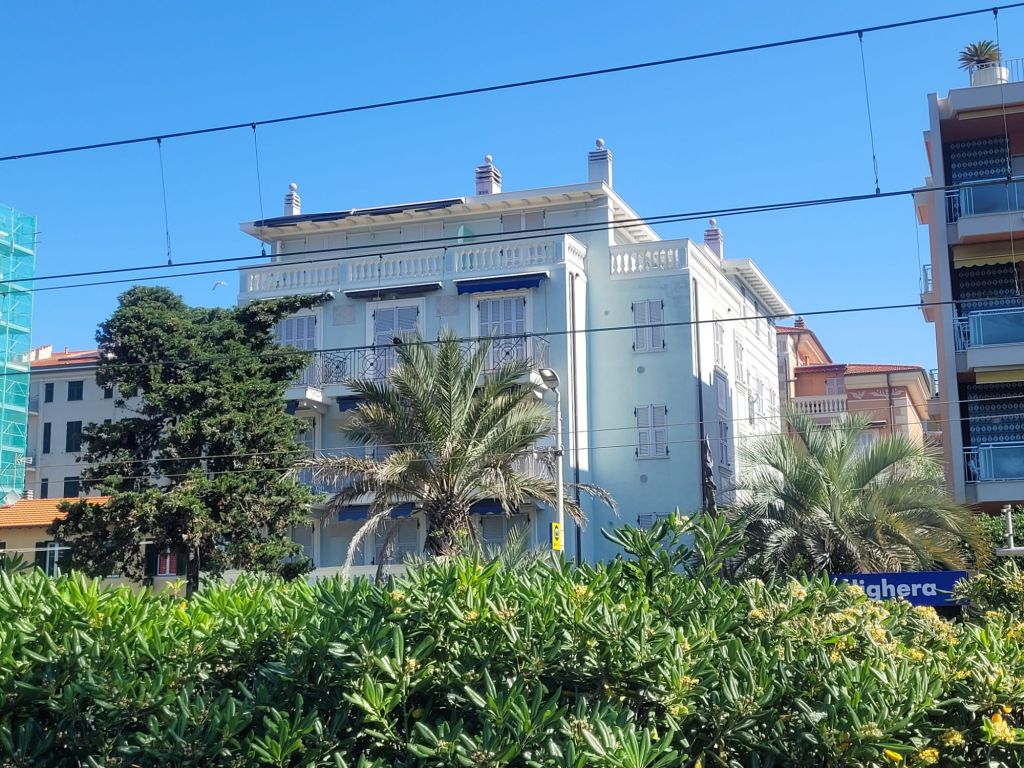
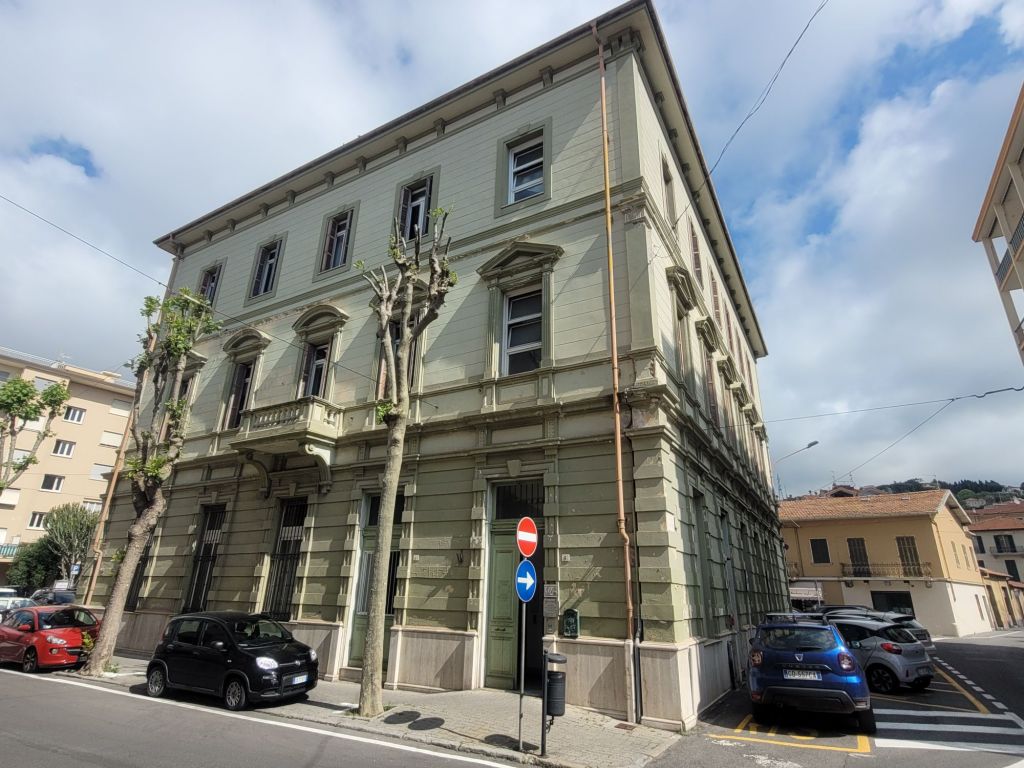
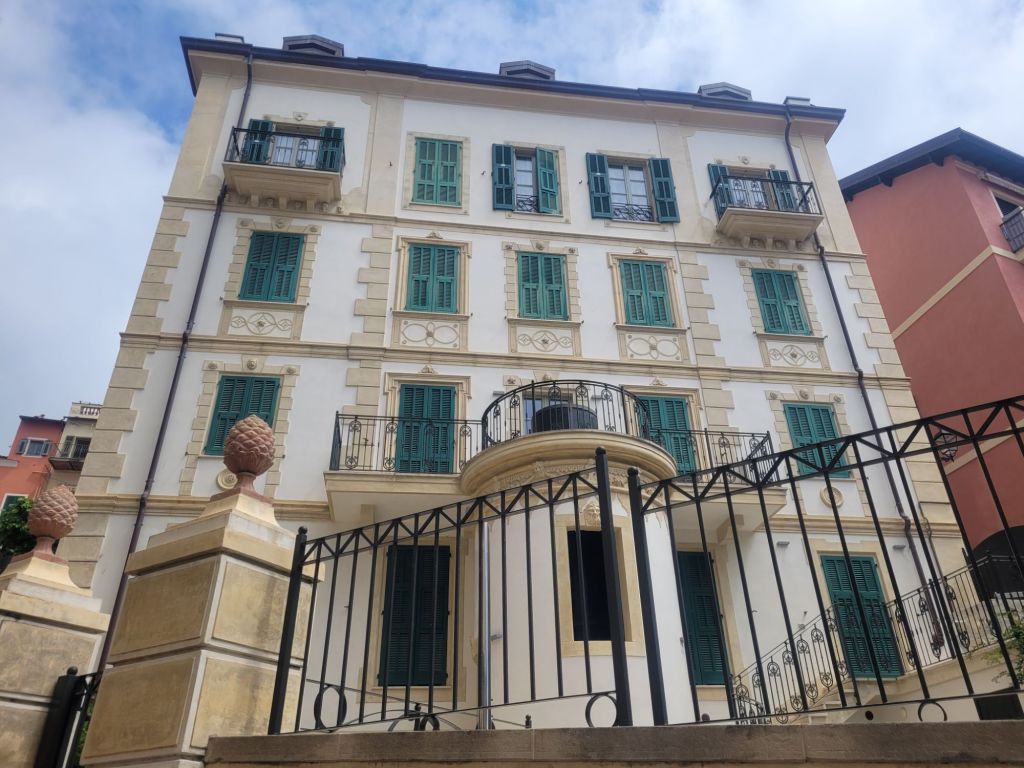
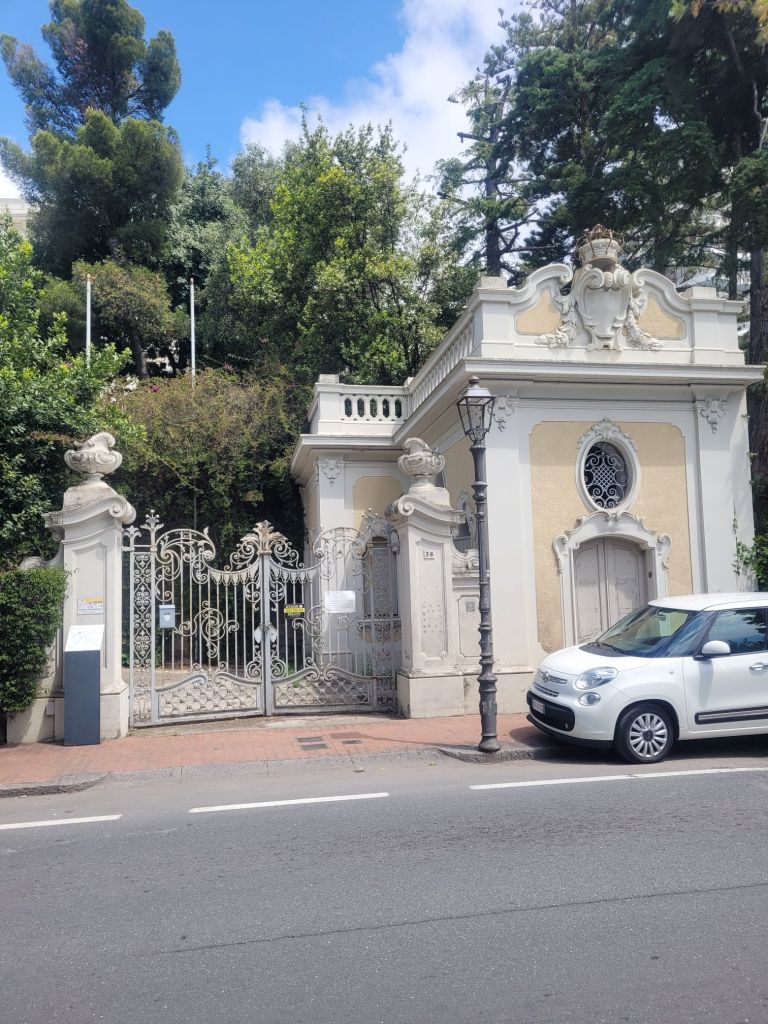
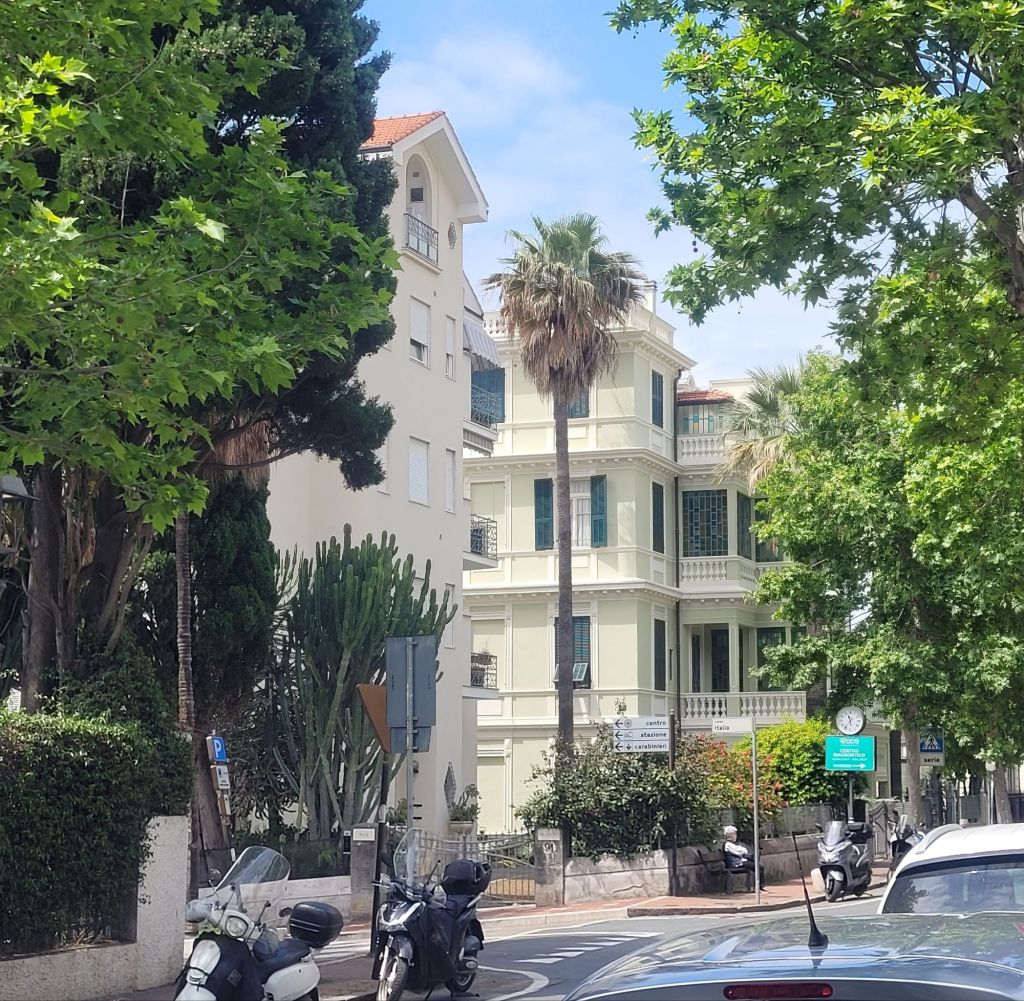
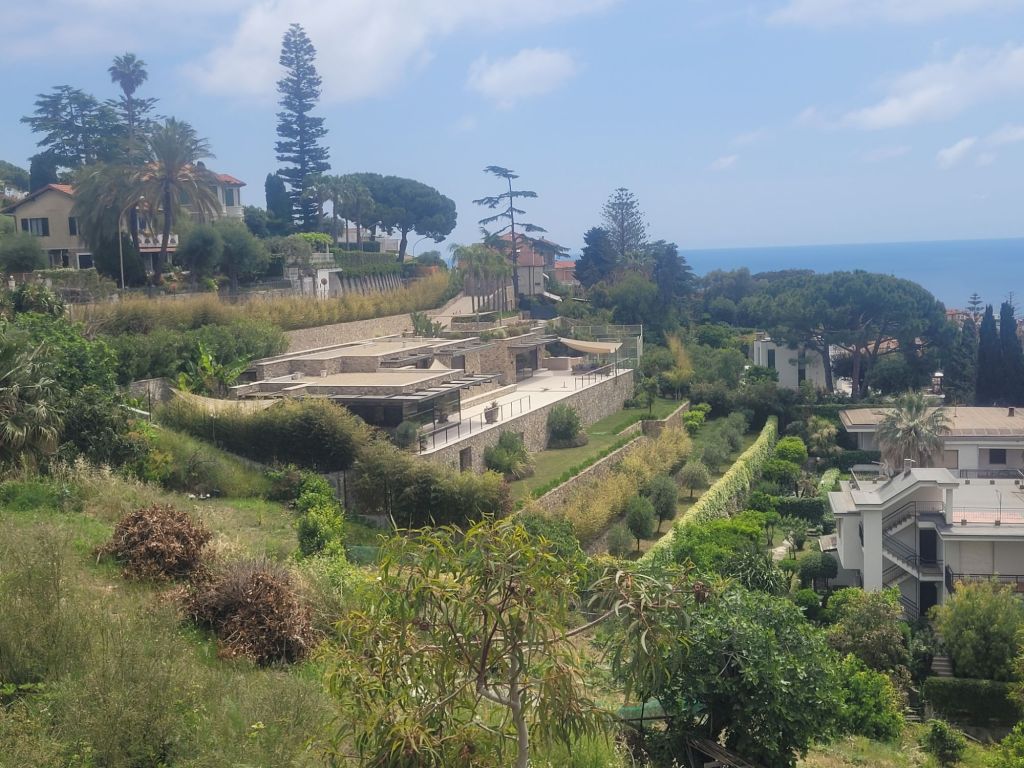
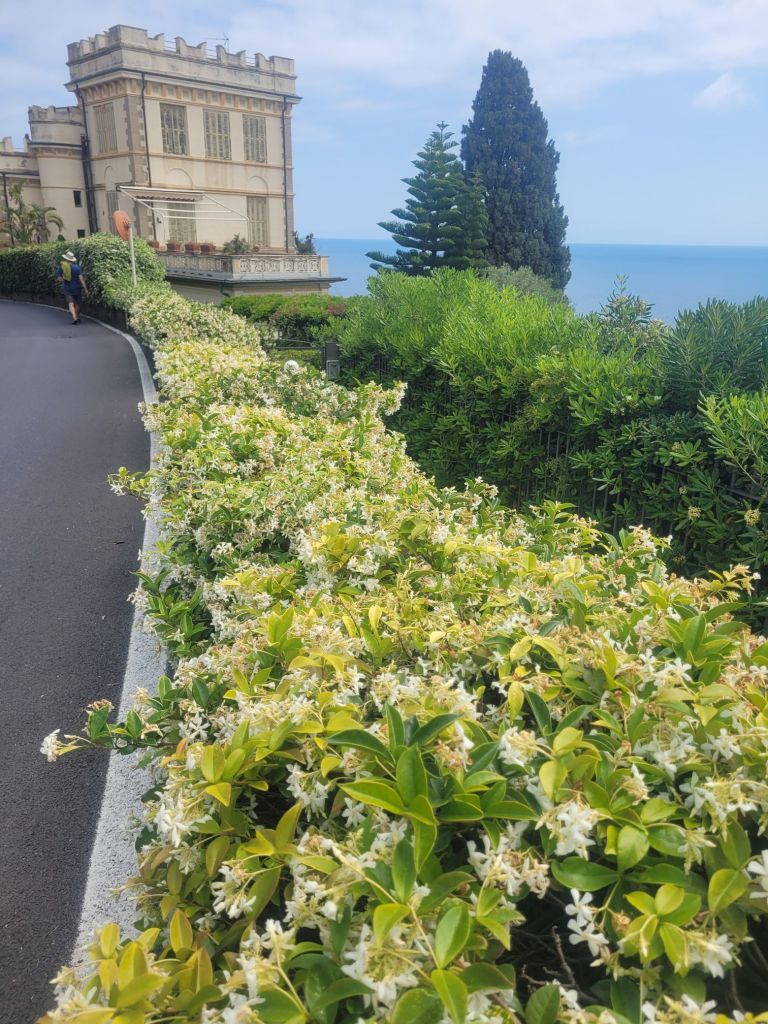
The grandeur (and money) of the 19th century foreign visitors is obvious: some of the houses are immense. They are in various stages of dilapidation, with a few being renovated (into flats for the most part).
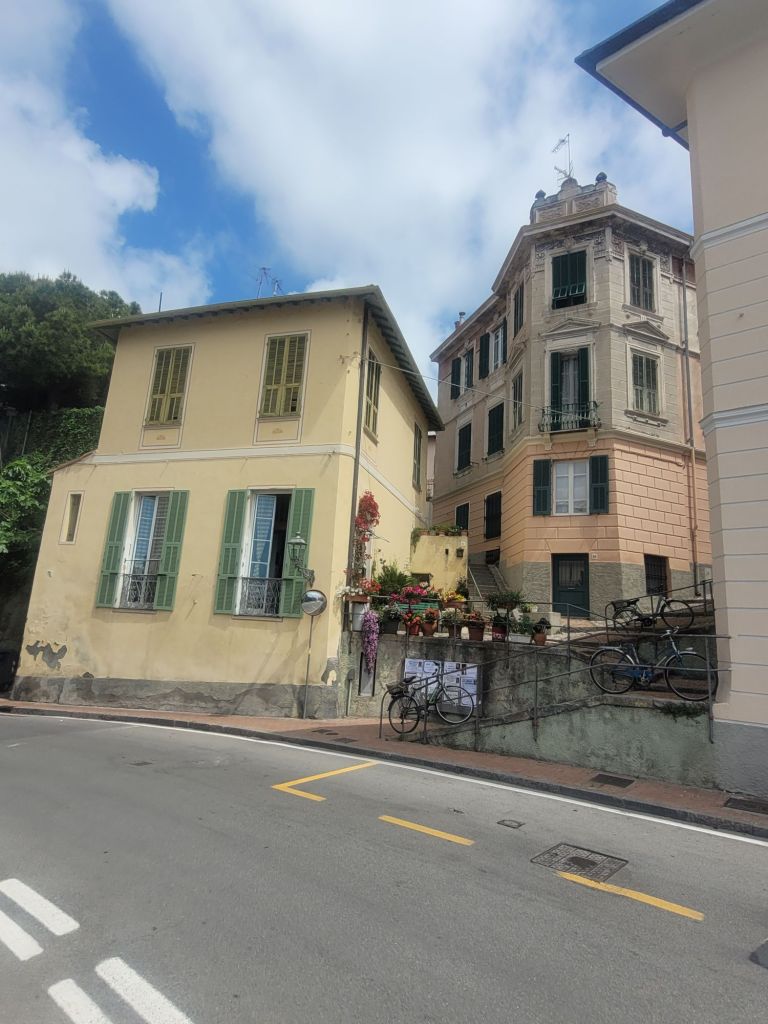

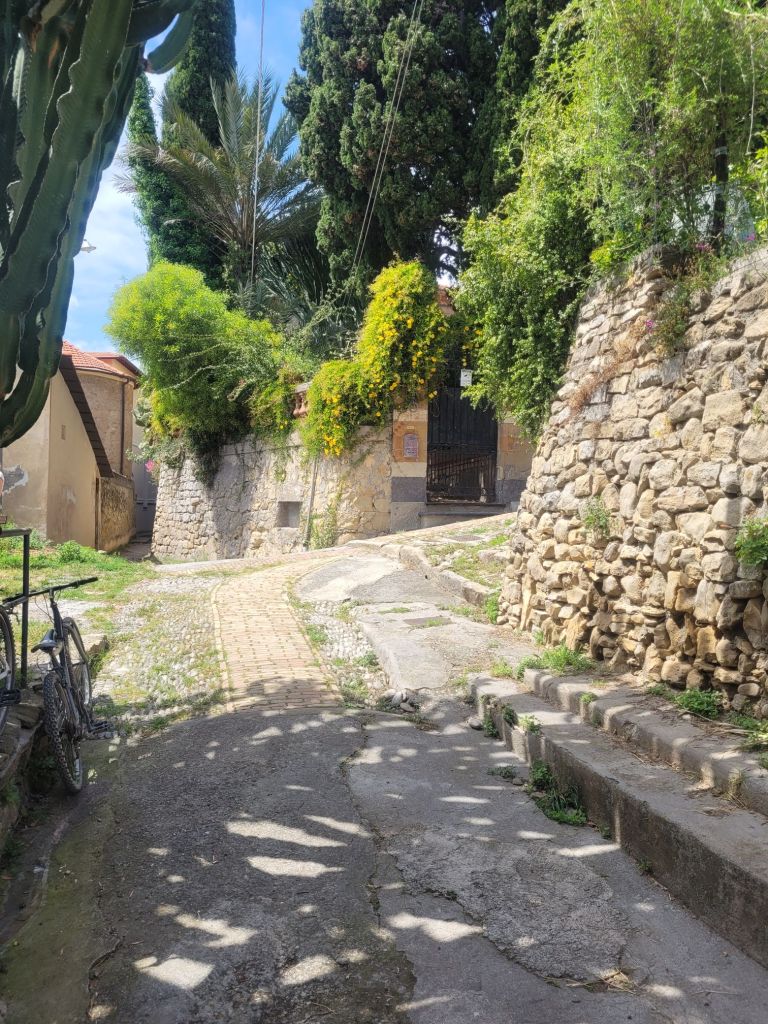
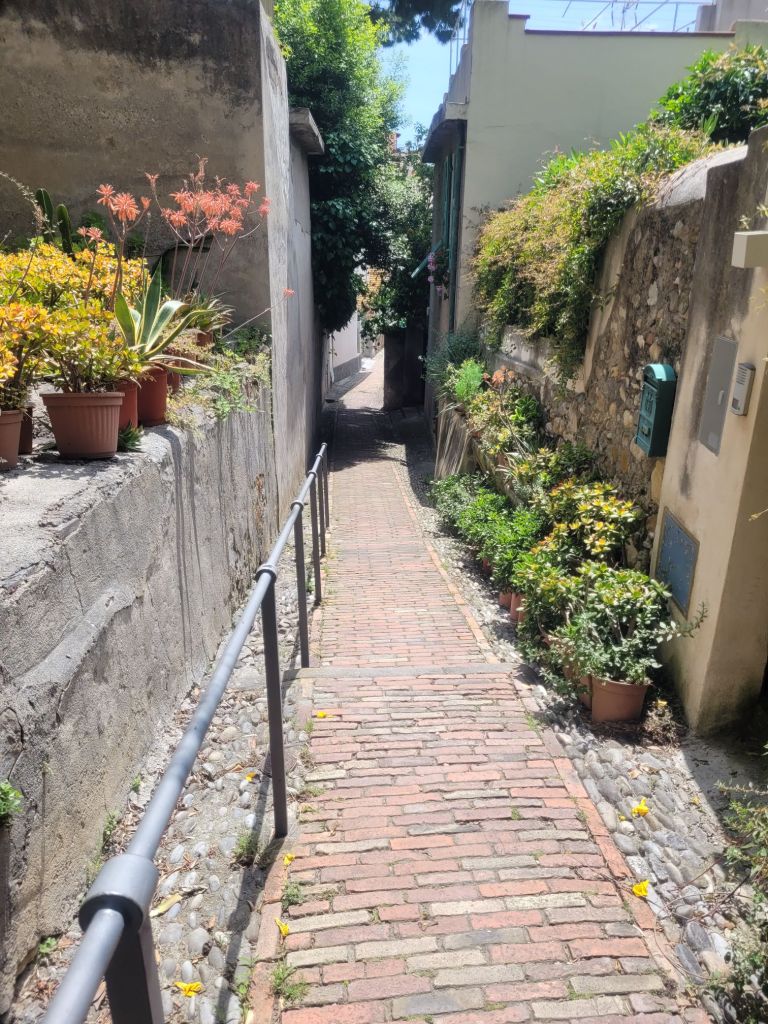
The old town is a tangle of small streets that are either uphill or downhill. Although plenty of people seem to live there, it seems very geared to tourism with a cluster of restaurants around the church and some rather ‘artistic’ shops (with high prices). It’s definitely pretty though.
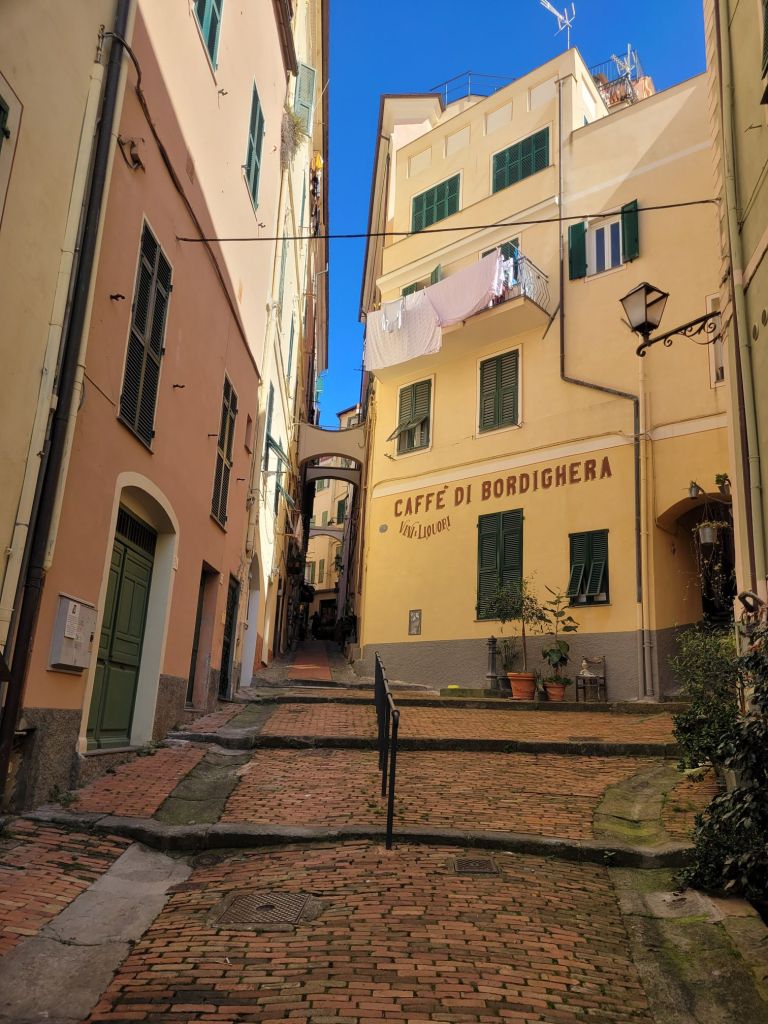
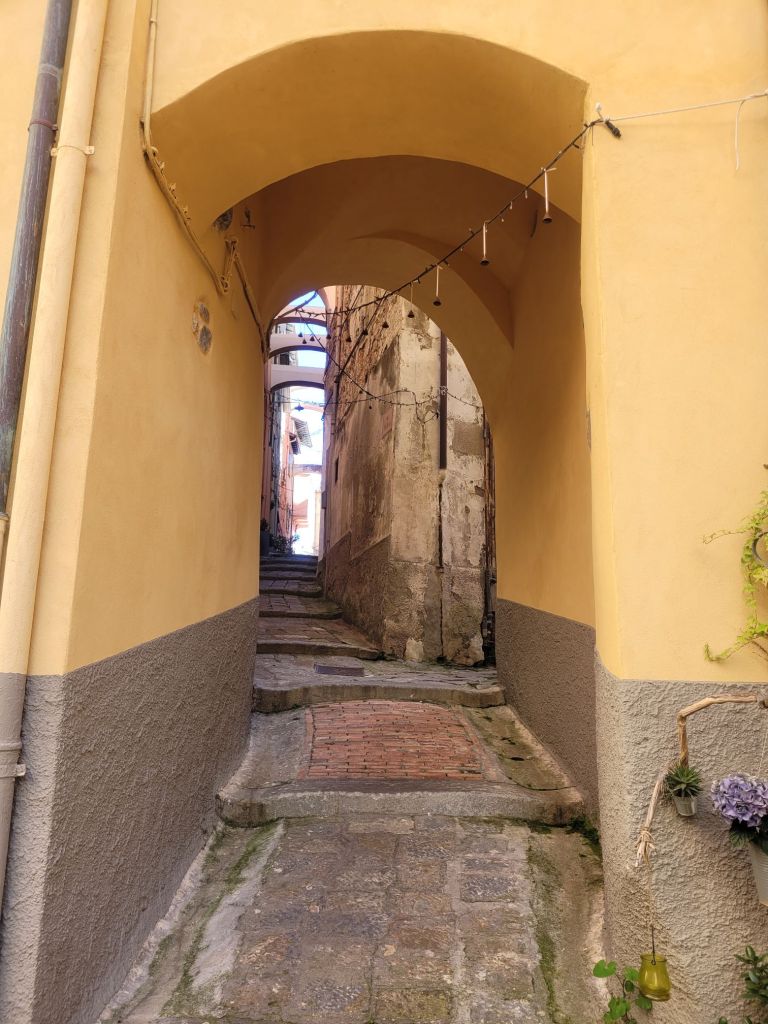
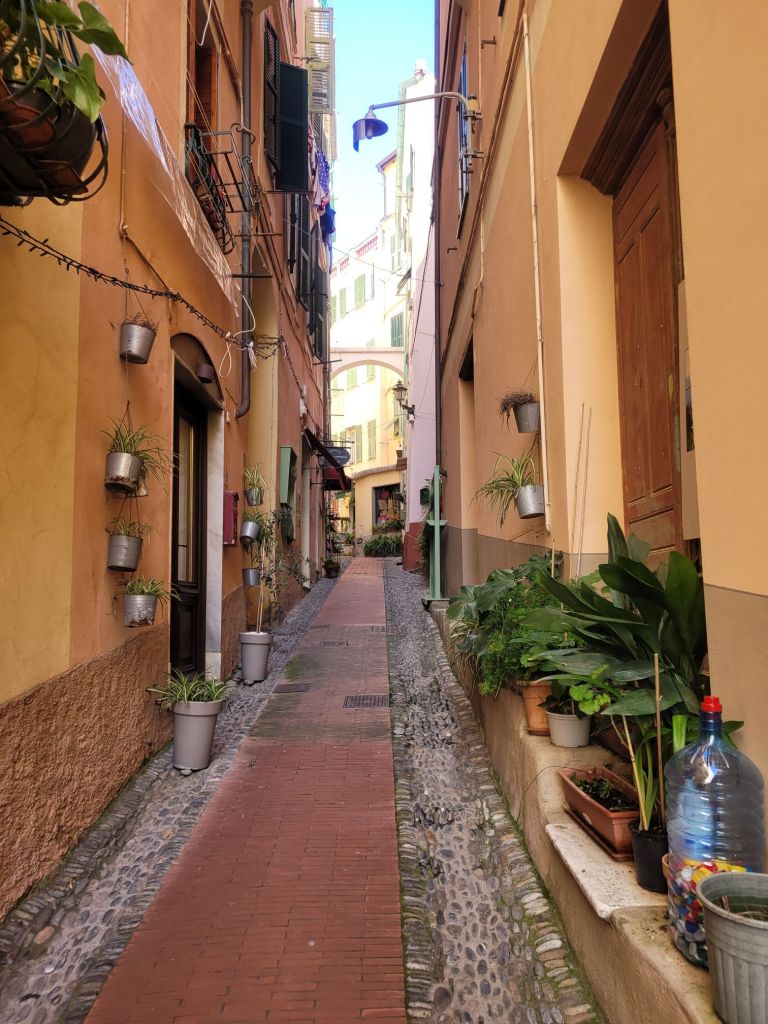
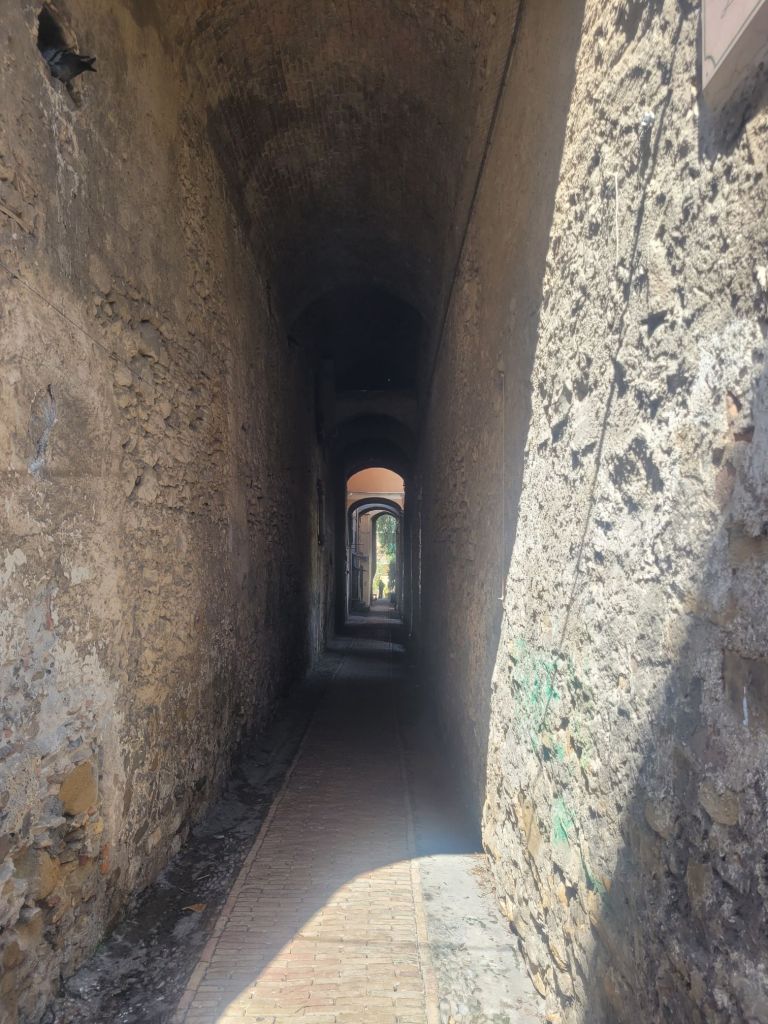
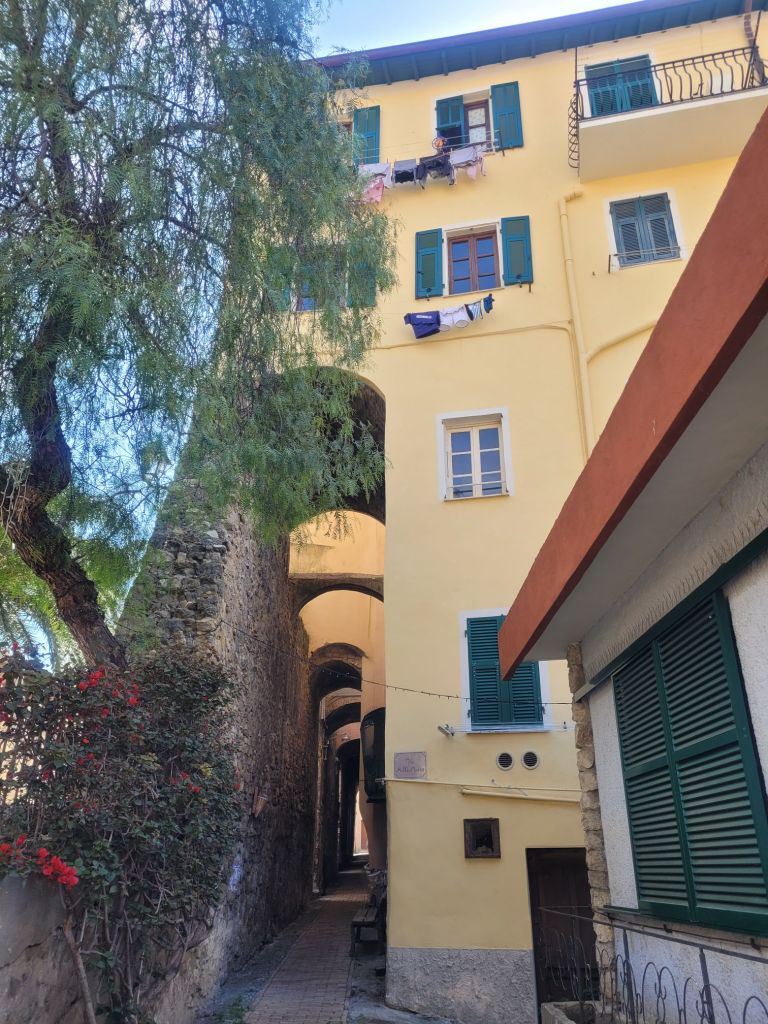


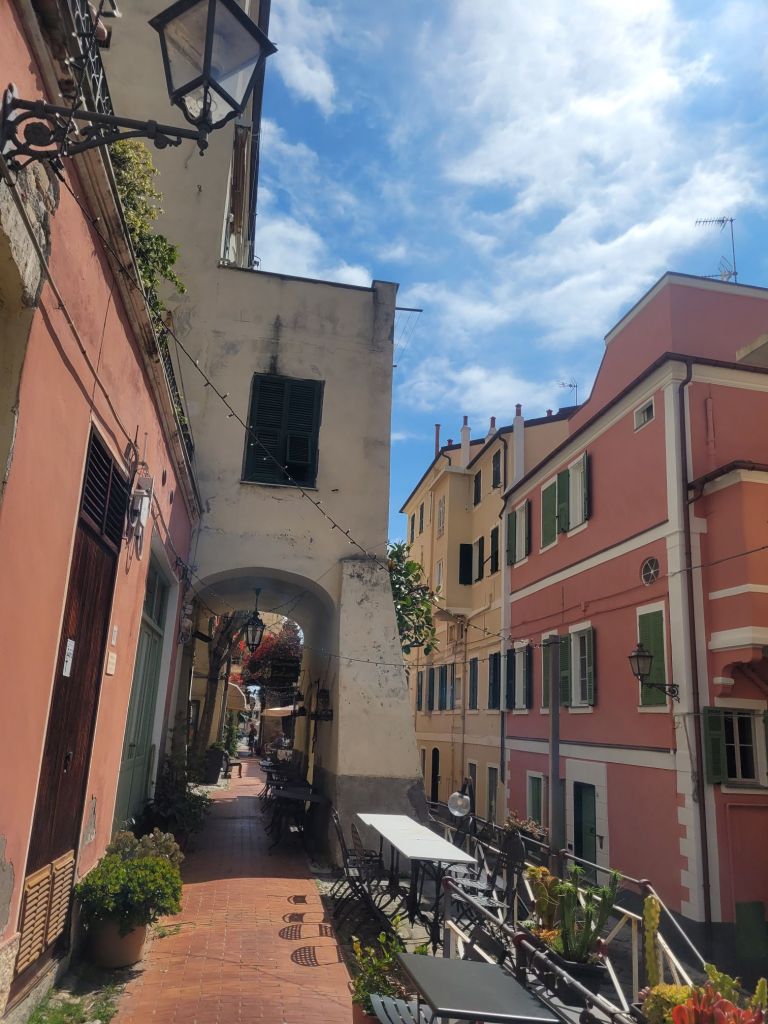
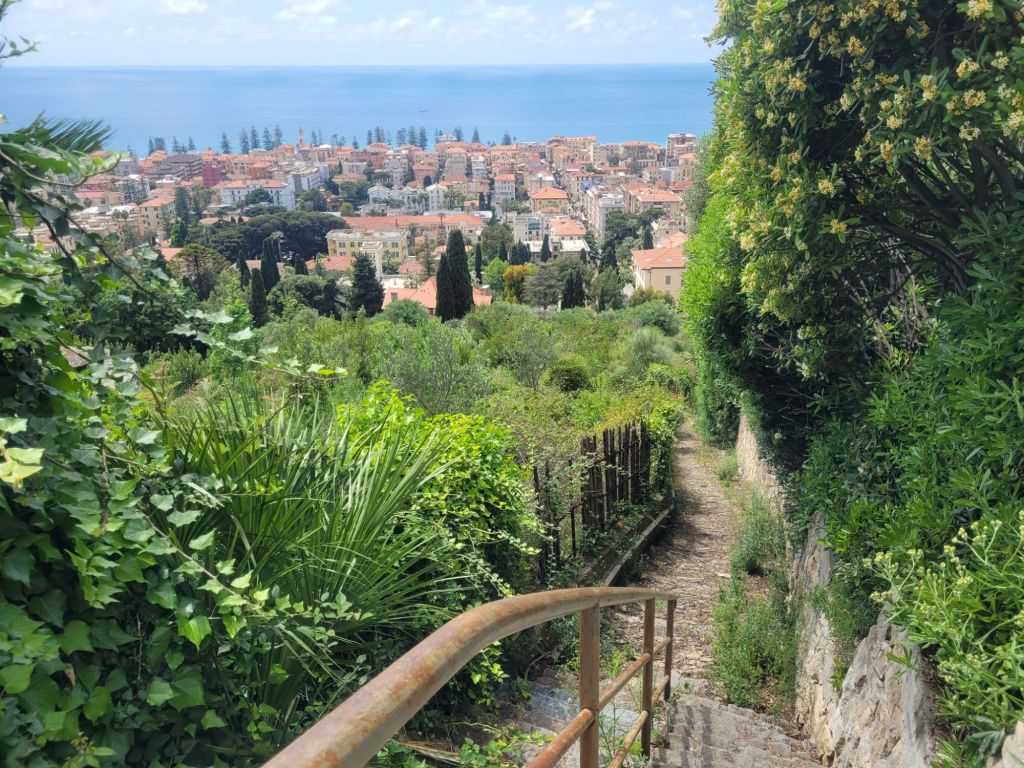
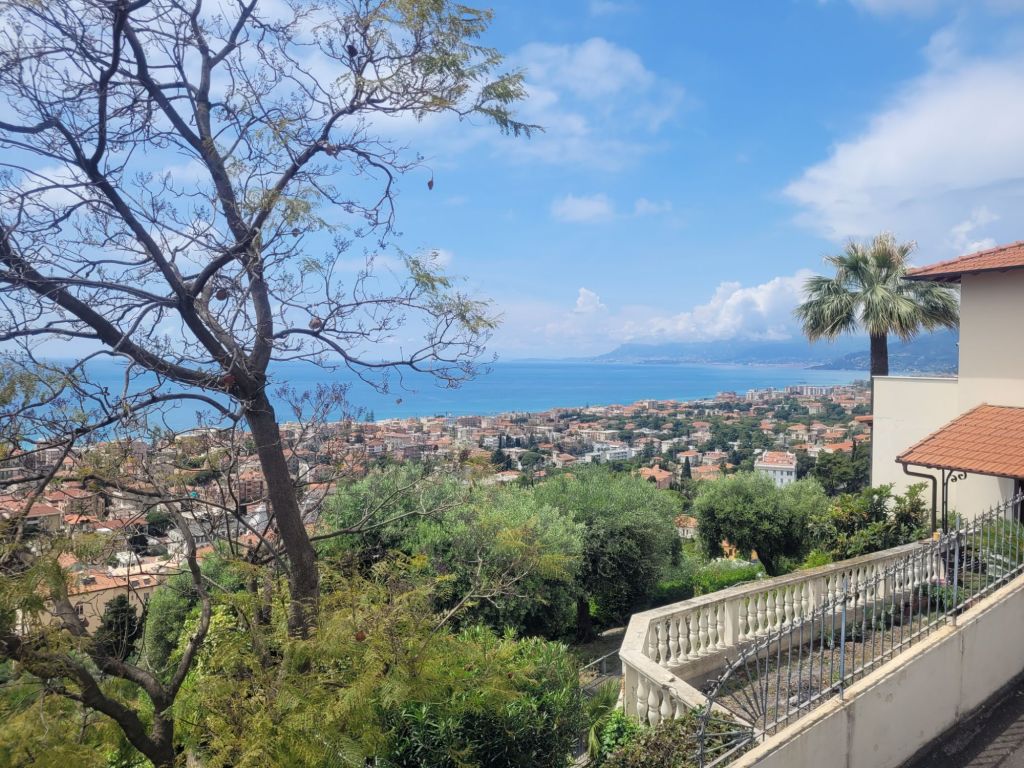
The old town is criss-crossed by footpaths and narrow streets – this is why they used donkeys until recently as a way of carrying goods around. We accidently (due to a slight miss-reading of the map and contour lines) ended up toiling up quite a steep slope, ending up on a road curling around above the town. The views were spectacular, the houses immense (both old and new) and, once we descended back into the old town, the beers we had were most welcome.
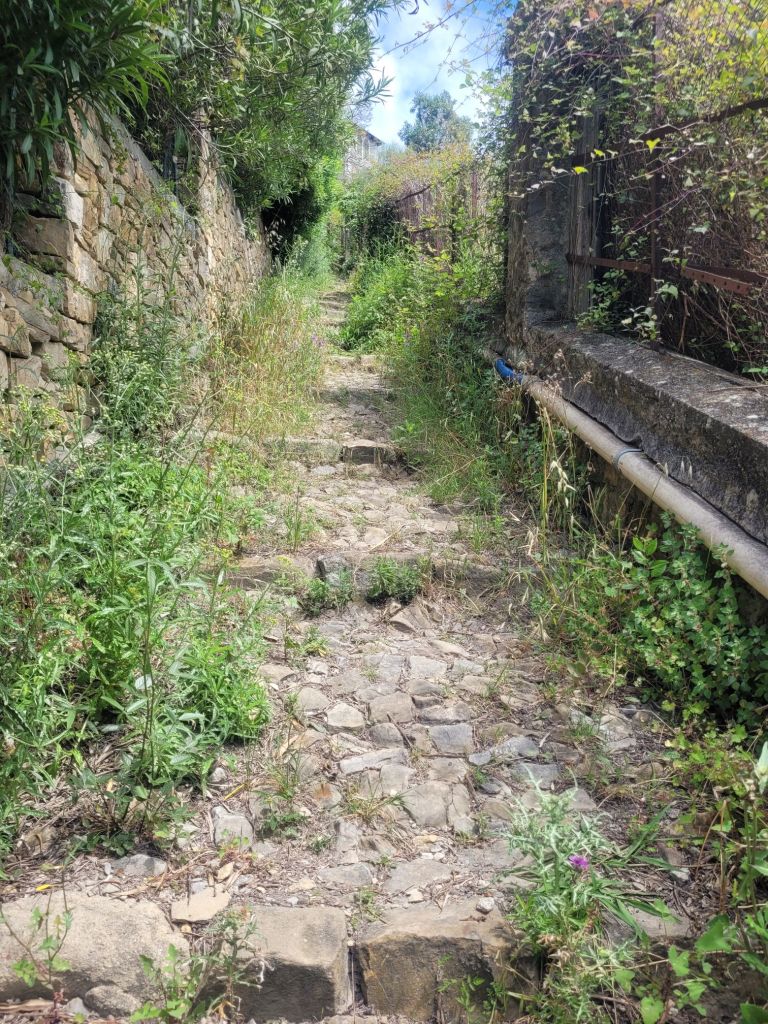
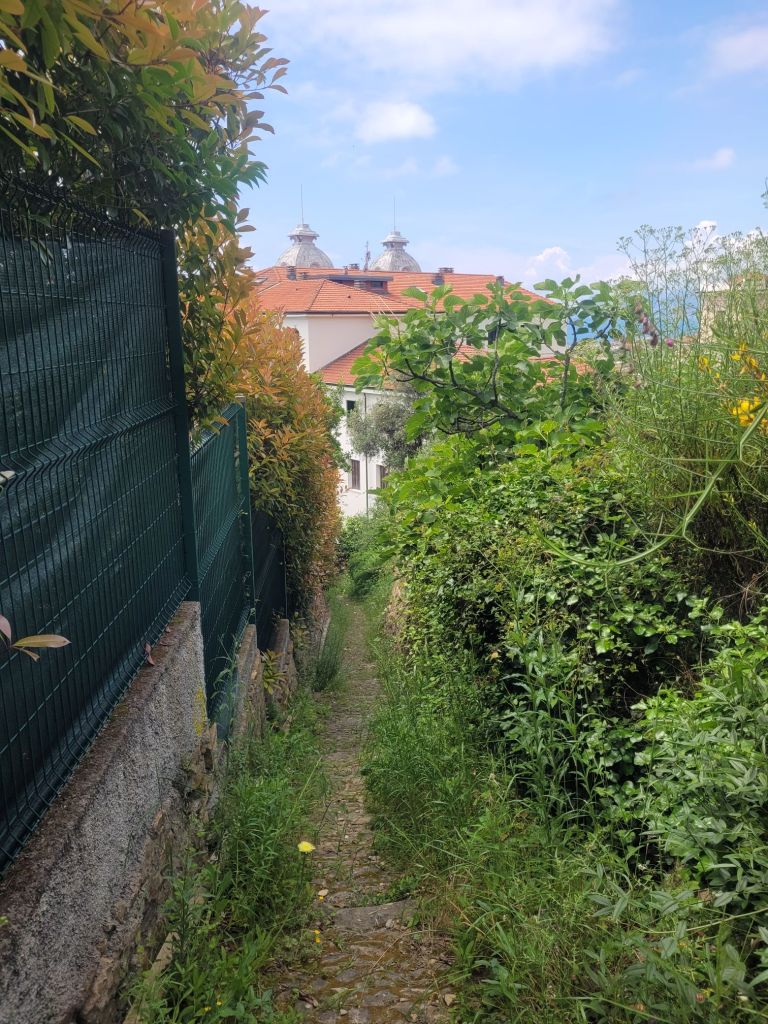
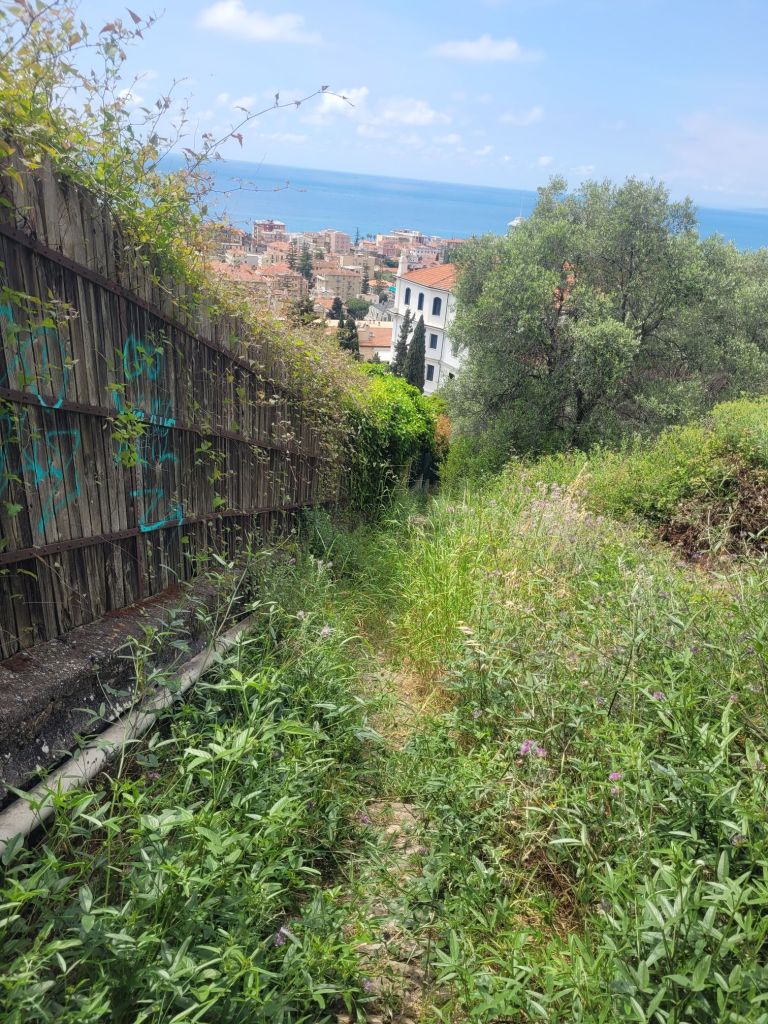
There are a few gardens (including a rather disappointing ‘Monet’s Garden’, a museum (with uncertain opening times) and an ‘exotics garden’ (cacti and succulents). We noodled around the town one day and did a longer walk the other: more on this in the next post.
 Retired? What now?