La Spezia, one of Italy’s most important Naval ports, very much a working city, jumping off point for tourists rushing up to the Cinque Terre and just over an hour away from Pisa airport – the last one being one of the reasons we chose to finish our trip here.
Another (and more important reason) was its location at the head of the Bay of Poets – visited and lauded by Dante, Byron, Shelley and D H Lawrence (to name a few) and said to be one of the most beautiful bays in Italy.
And a third (linked to the second) was its proximity to Porto Venere and walking trails from there to Riomaggiore.
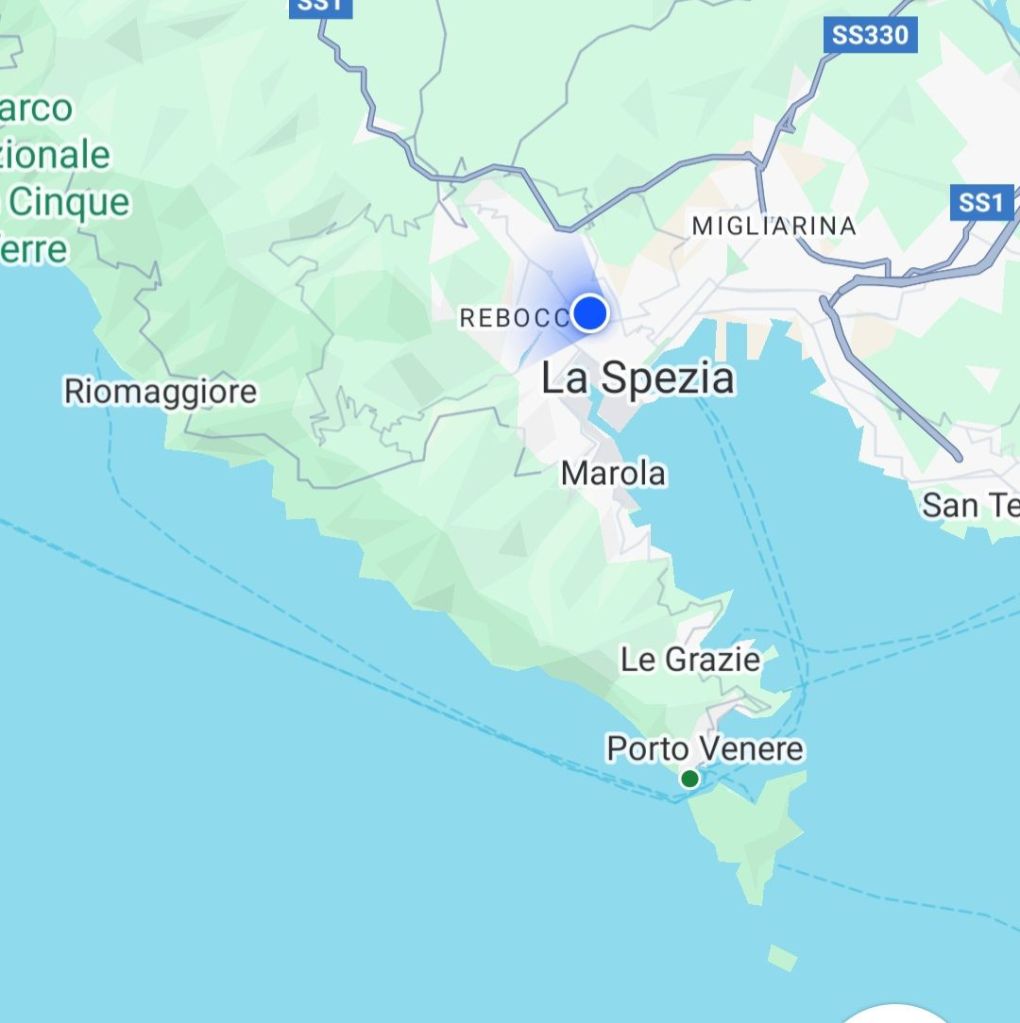
When planning the trip, the idea was to spend a lazy day in Moneglia before coming down to La Spezia in the afternoon, then visiting Porto Venere the following day. Sadly, the weather put paid to that, so we came down earlier in order to visit Porto Venere in the last of the sunshine.
The whole area was well known by the Romans, contributing to naval efforts in the second Punic war. Prior to the Romans the Ligurians inhabited the area and after the Romans moved in, large villas were constructed at the north end of the bay. At Porto Venere there was a large temple to Venus (which contributed to the current name) the remains of which are covered by the current church.
After walking for about an hour and ten minutes we abandoned our attempt to reach Porto Venere by foot: it was a main road with a fair amount of traffic, there was no pavement, we couldn’t see the sea and it was hot. So we got on a bus.
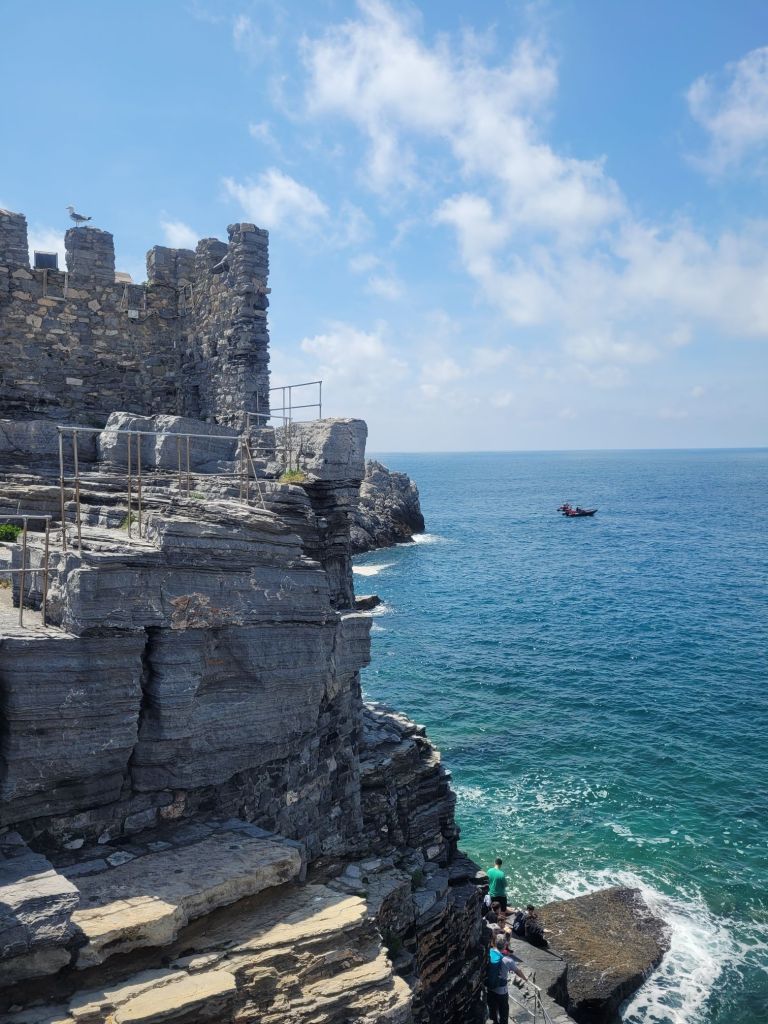
Porto Venere was lovely – far more real than Portofino and although busy, less touristy (but touristy nonetheless) – with the painted houses and narrow alleys of the region.

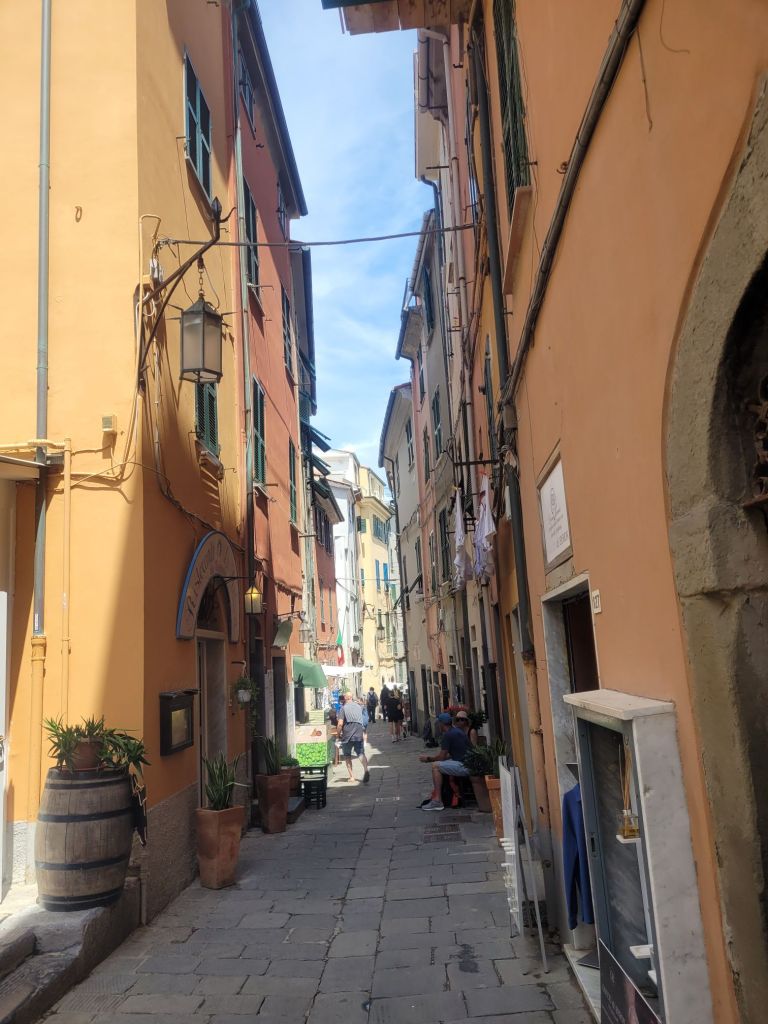
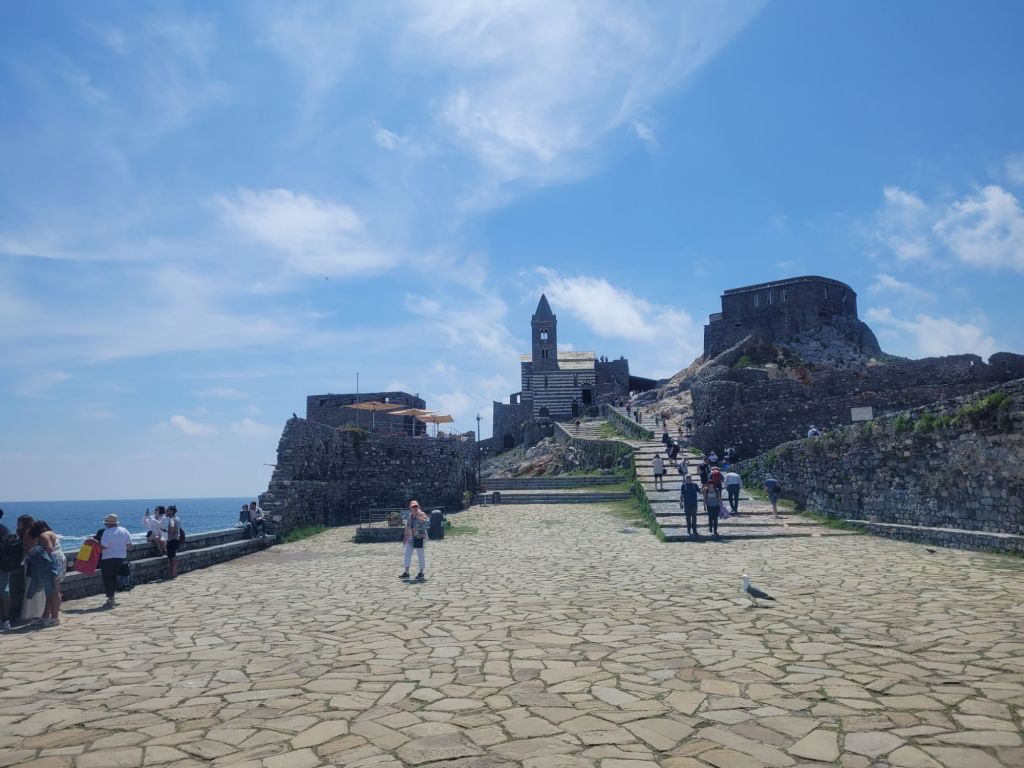
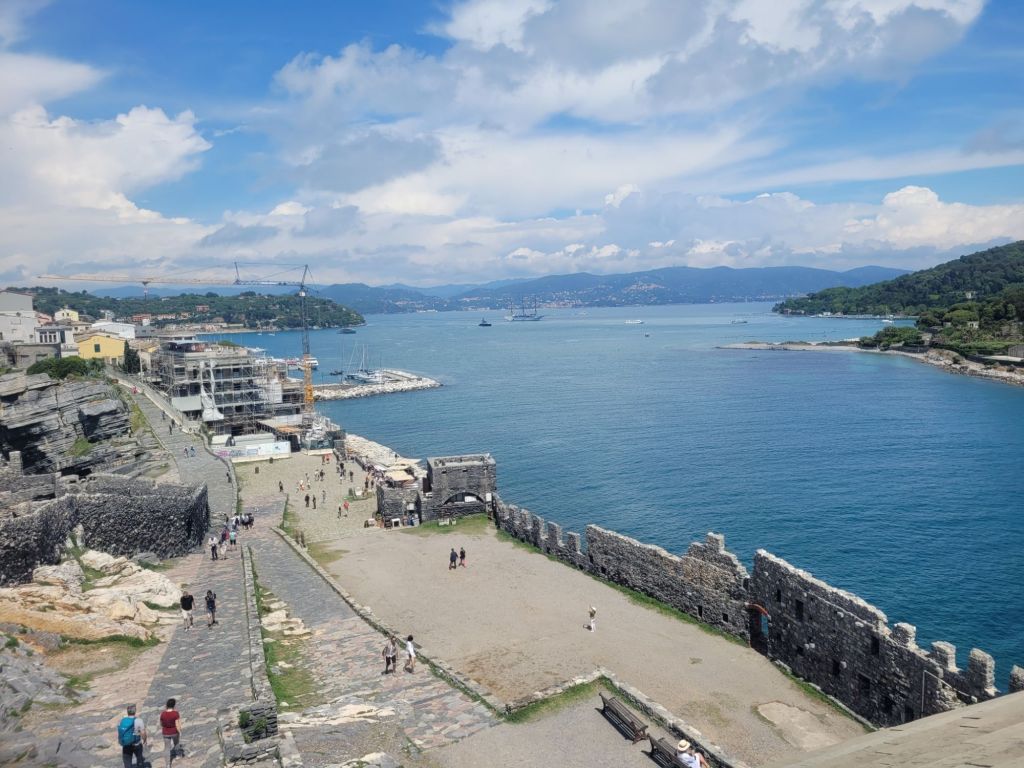
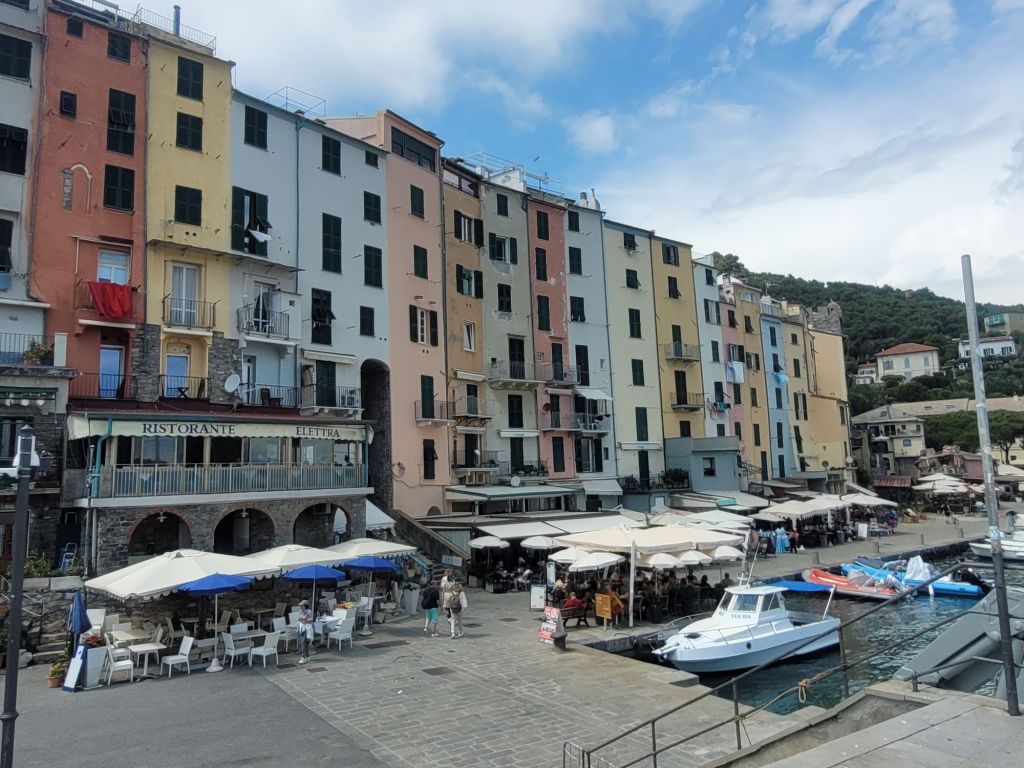
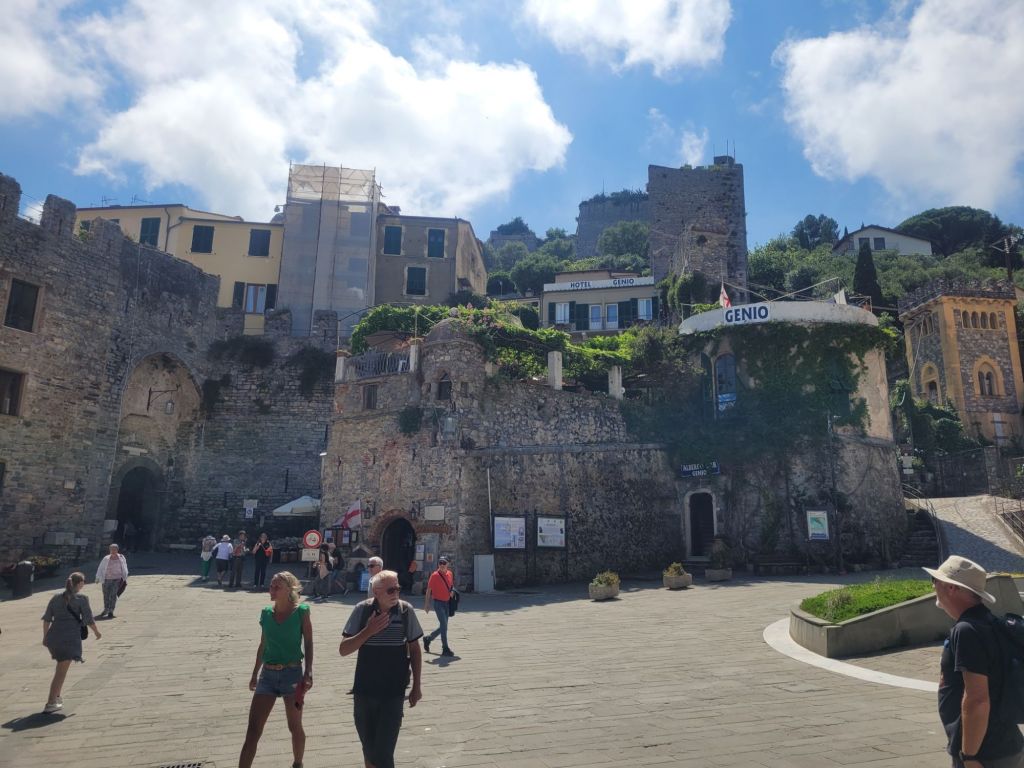
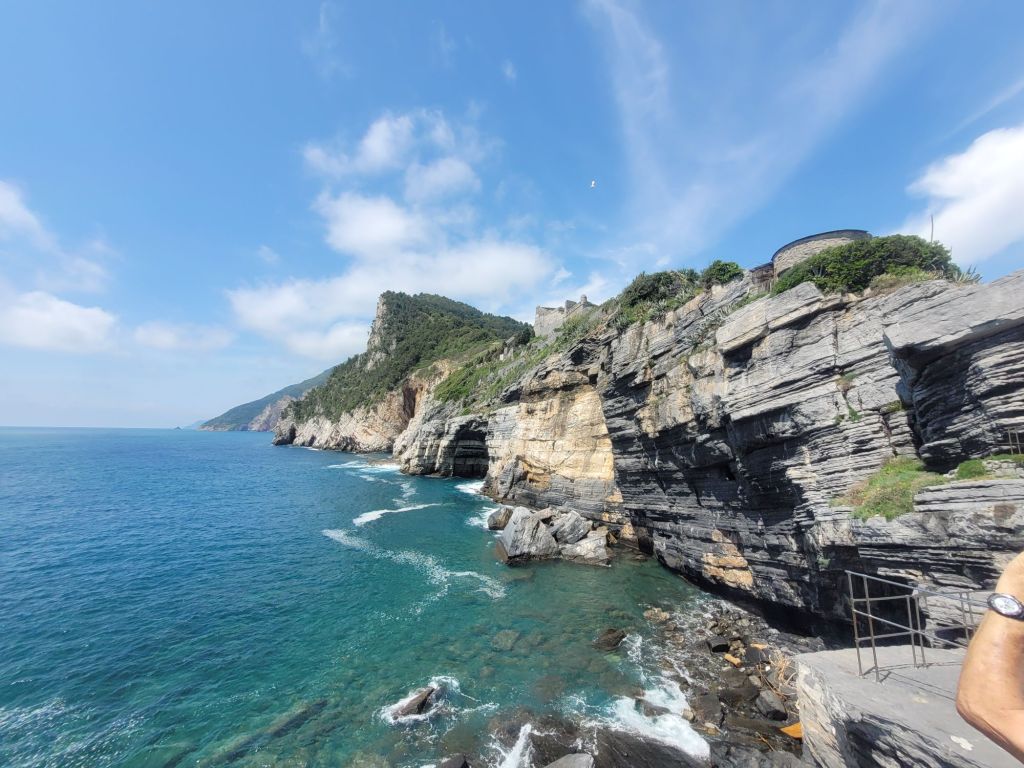
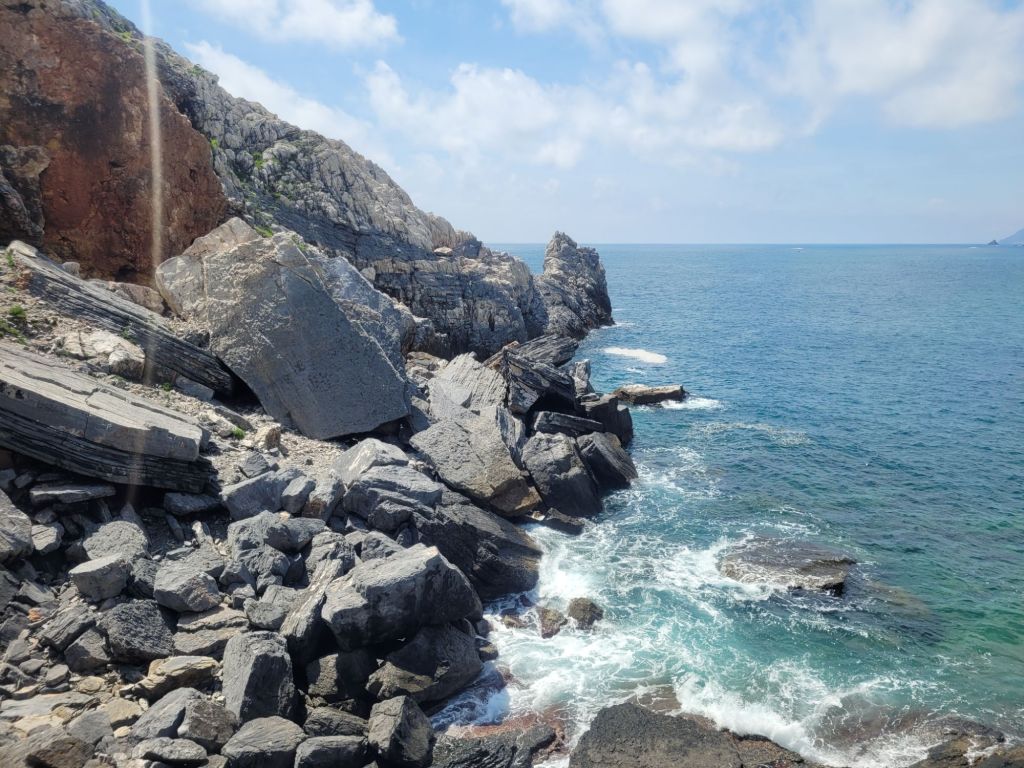
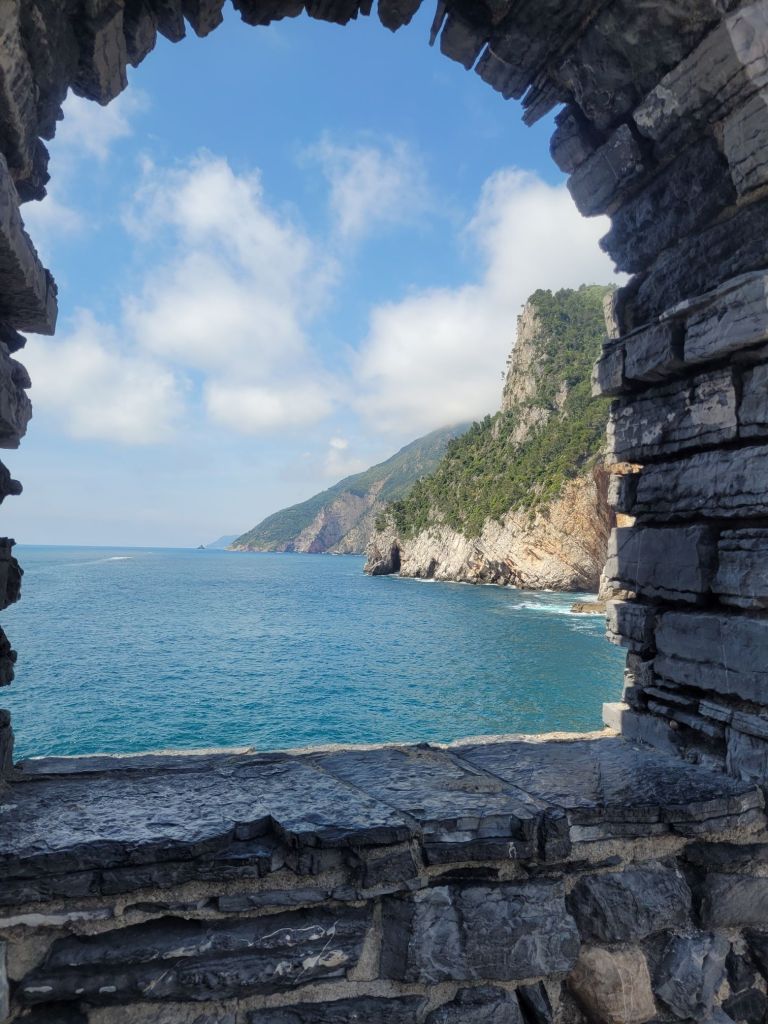
By the church at the tip of the peninsula, where the temple to Venus would have been, there were incredible views north to the Cinque Terre and south over the Spezzino archipelago and over the rocky coastline.

We had a fantastic lunch, trying the local La Spezia oysters – there are oyster fisheries all around the bay. It was more pricey than other places we had eaten, but not heinously so and well worth it.
Taking the ferry back to La Spezia appealed, but the queue was long as was the wait. Bus it was again.
Bus drivers cannot do tickets. The assumption is that you have purchased your ticket previously, either digitally or from a Tabacchi, or you pay using a bank card and one of the machines on the bus. On the bus we caught coming out to Porto Venere, the payment machines did not work; we tried to find a Tabacchi in Porto Venere but couldn’t; we tried to download the App and pay online – it didn’t work.
Eventually we found a ticket machine. Which didn’t take cards. Or bills. It only took change. Which we didn’t have.
Bar with change machine located, change acquired, tickets finally acquired, bus boarded. Couldn’t validate the tickets.
It felt like a conspiracy: the bus company didn’t want our money!
Once the engine was started the ticket validating machines worked and we were off, having paid and everything. A novelty, as we hadn’t managed to pay for the two other bus trips we had taken.
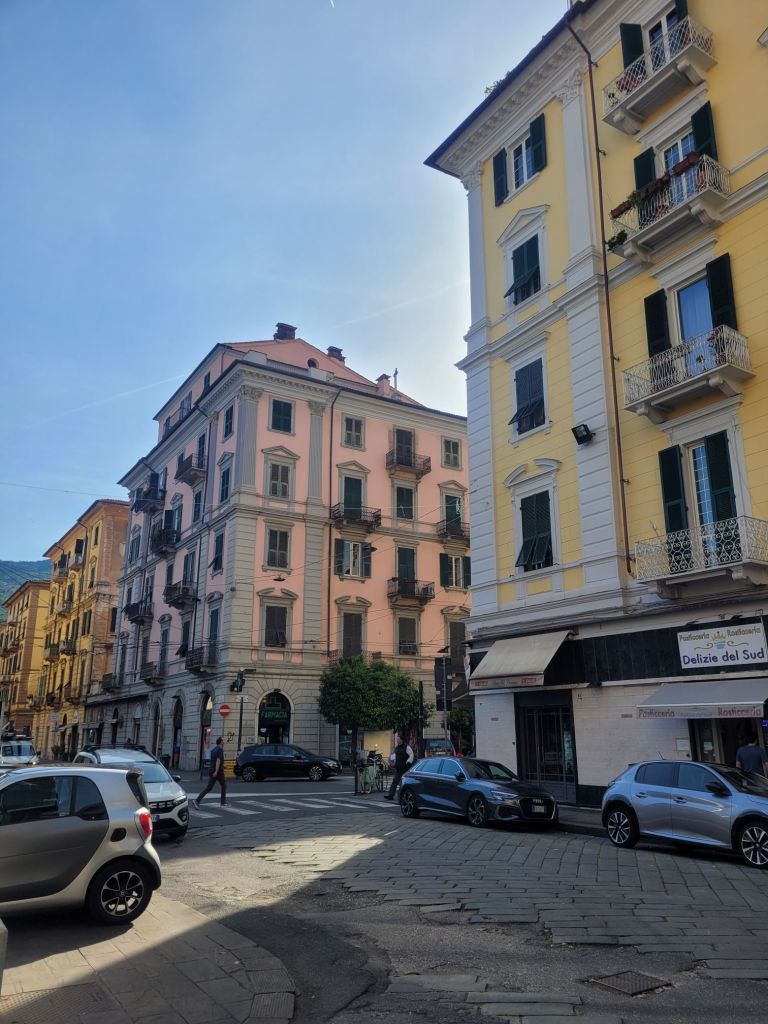
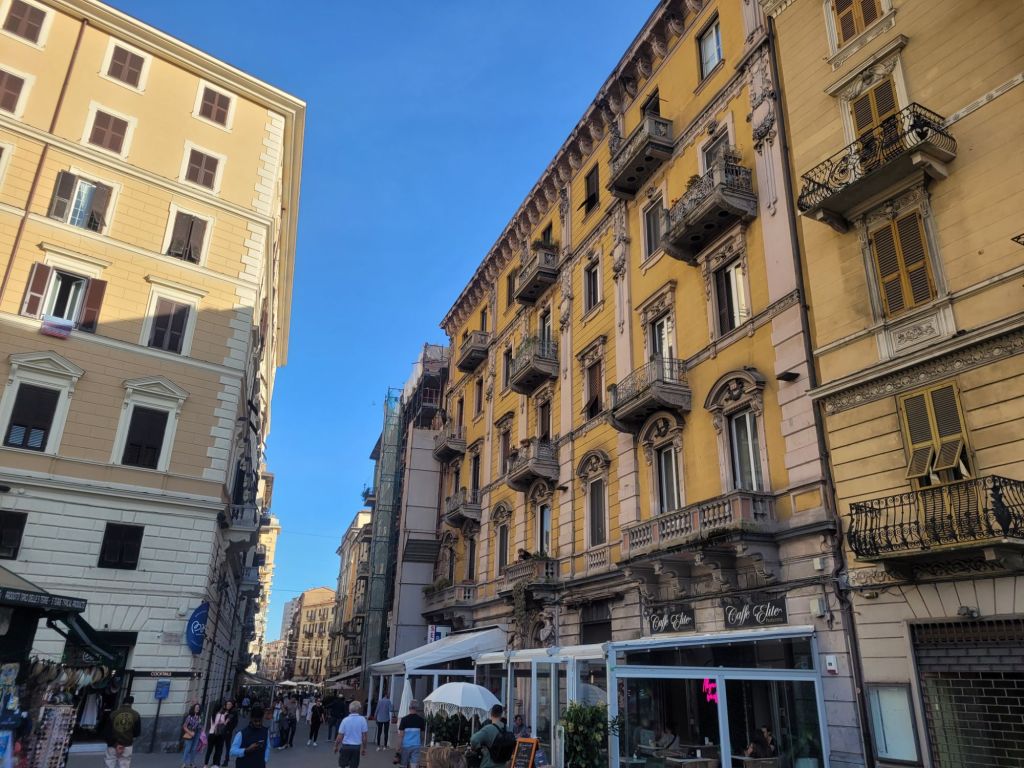
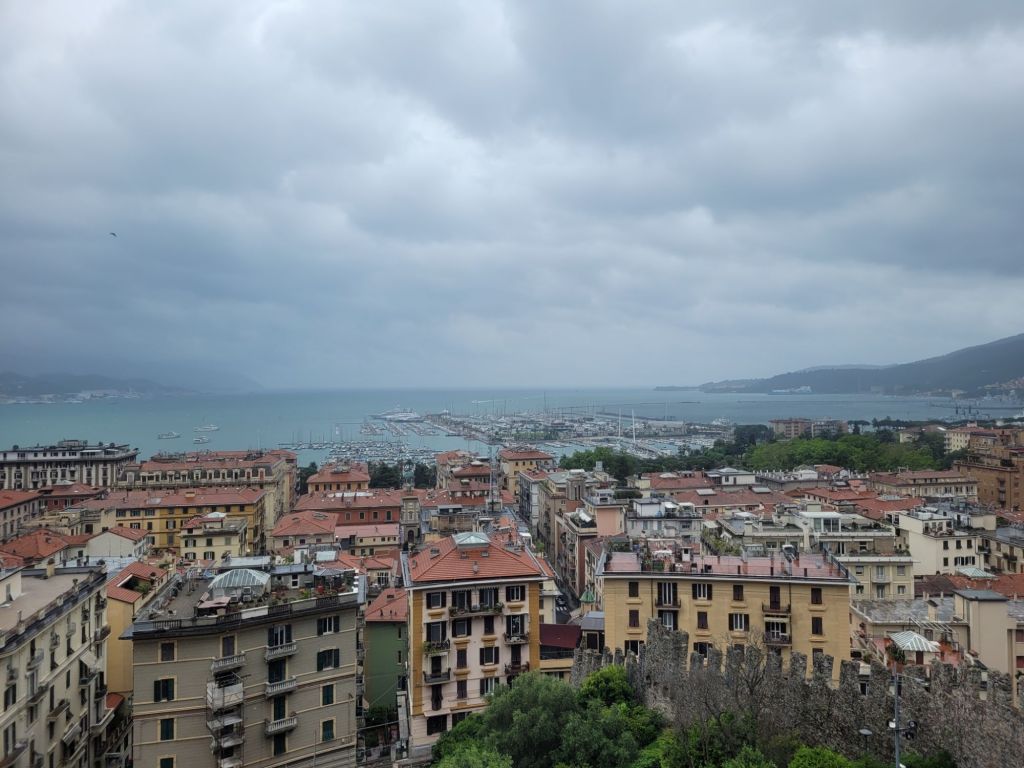
La Spezia has a long marine history, as providers to the Roman fleet, an important merchant port for the spice trade, and a large naval port. Currently it is still a naval port, a cruise ship port, a container port and it has a fishing fleet and some coastguard vessels. A busy place, boat-wise. It’s full of large 19th and early 20th century blocks (probably flats) but it’s all a bit grubby and work-a-day. Although it’s full of tourists, every other shop isn’t a souvenir shop – there are some, and they are the cheap nasty ones, but not tons.
There are a few museums, a huge marina and some nice green spaces.

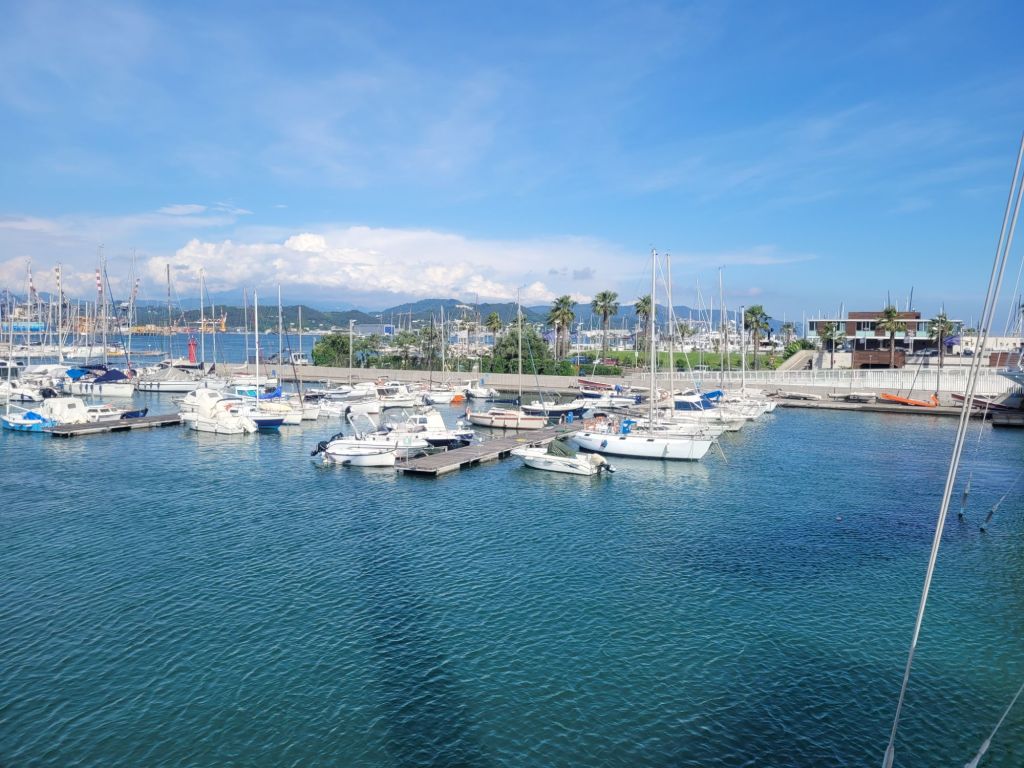
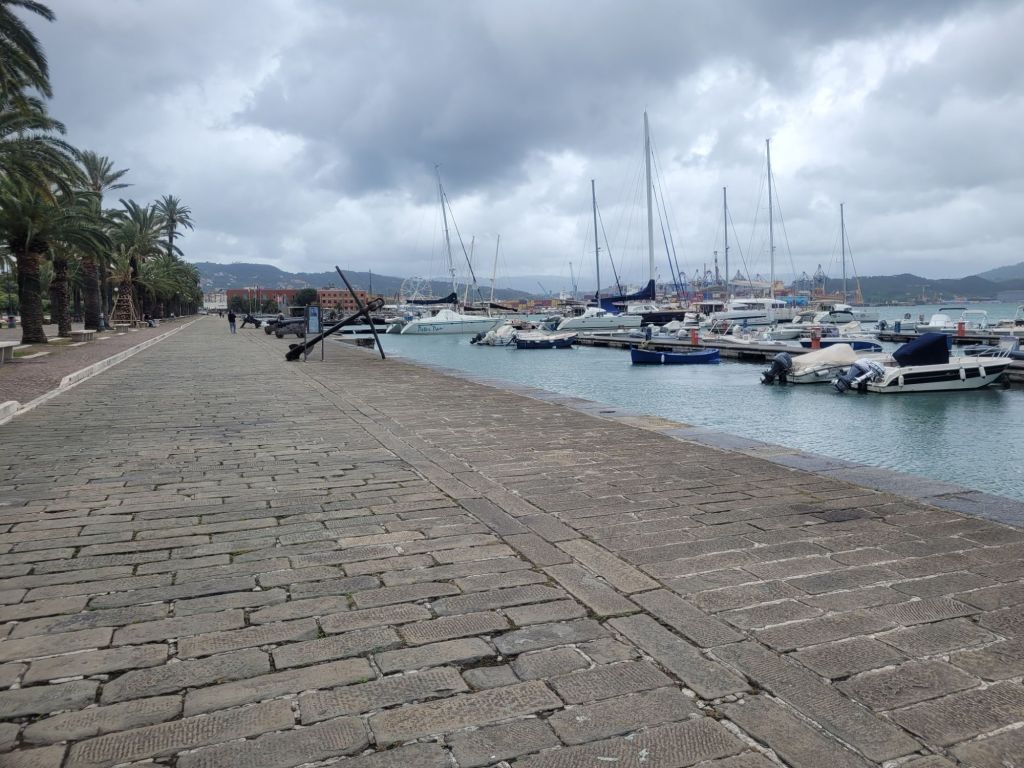
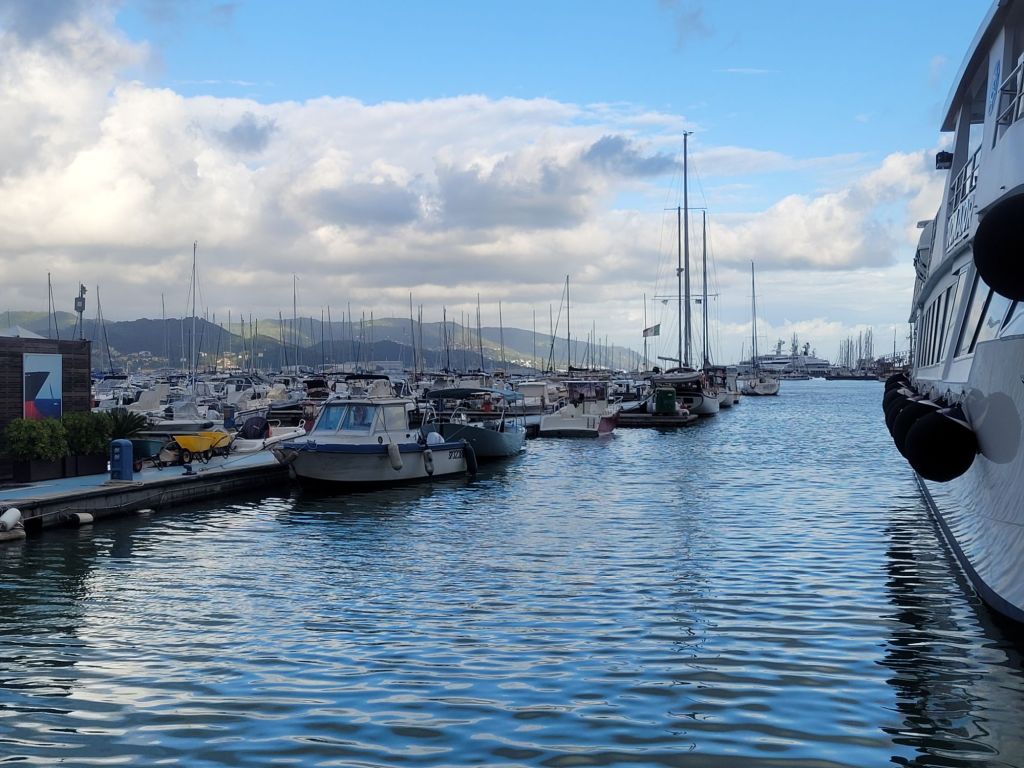
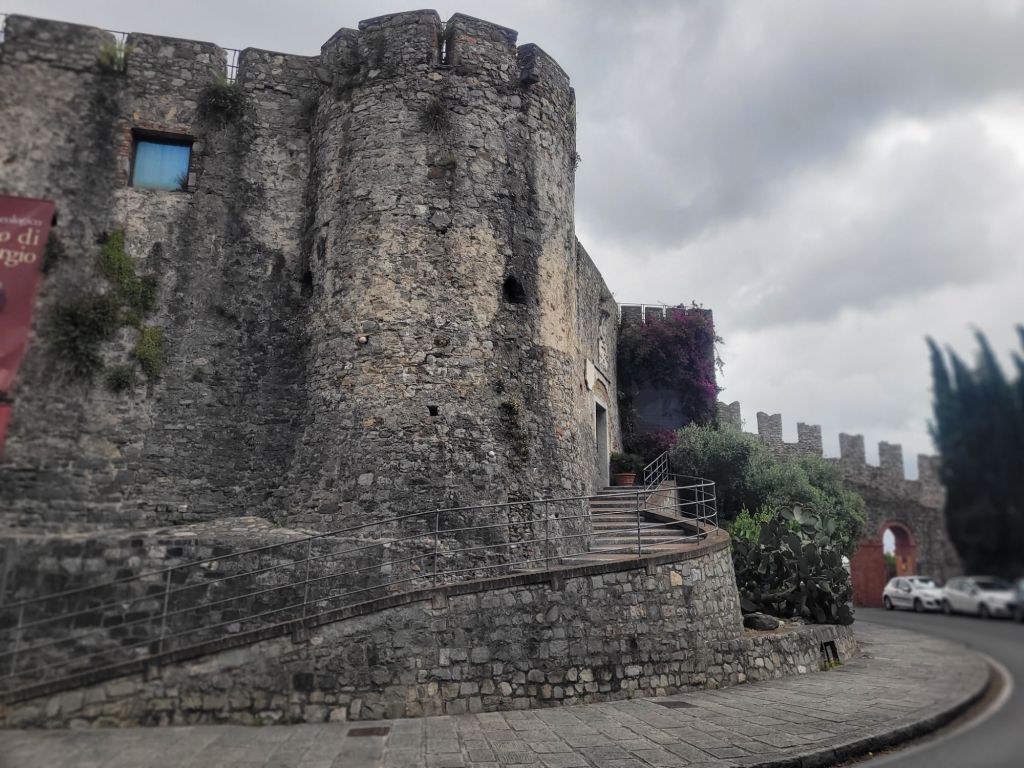
Originally, La Spezia had a beach but that has long aince disappeared- it’s now a promenade, with a set of firmal gardens running alongside. In the 18th century, the town was completely surrounded by walls – none of which remain other than by the castle.
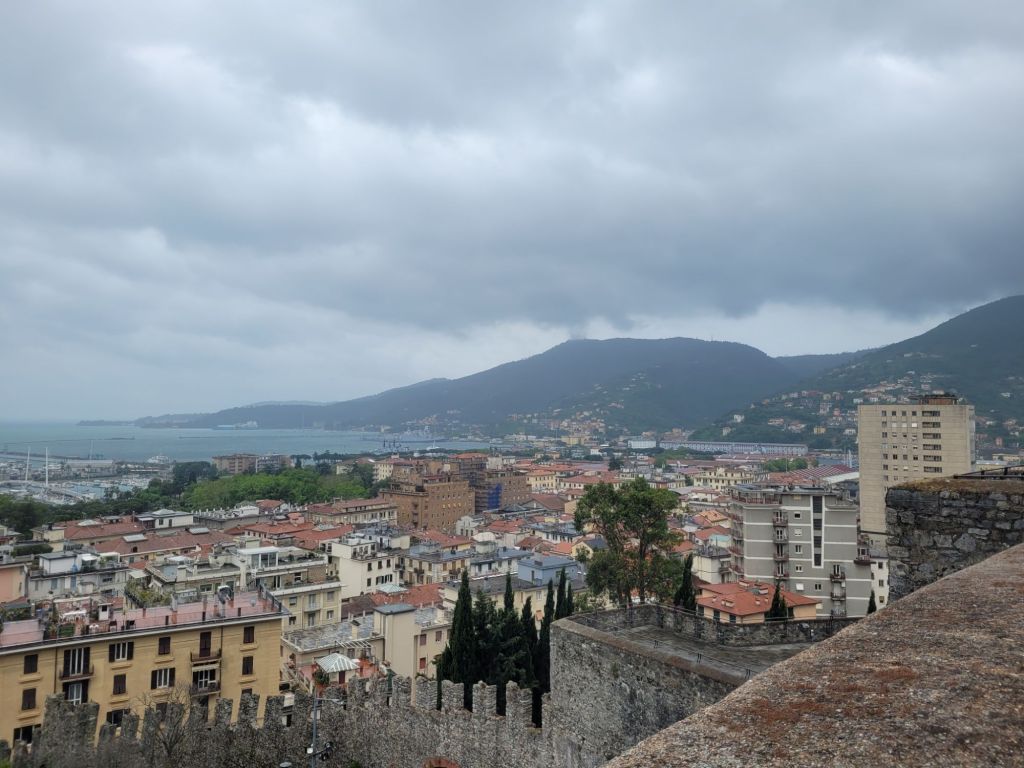
As the town moves away from the coast, the stairs start: there are many flights of them.
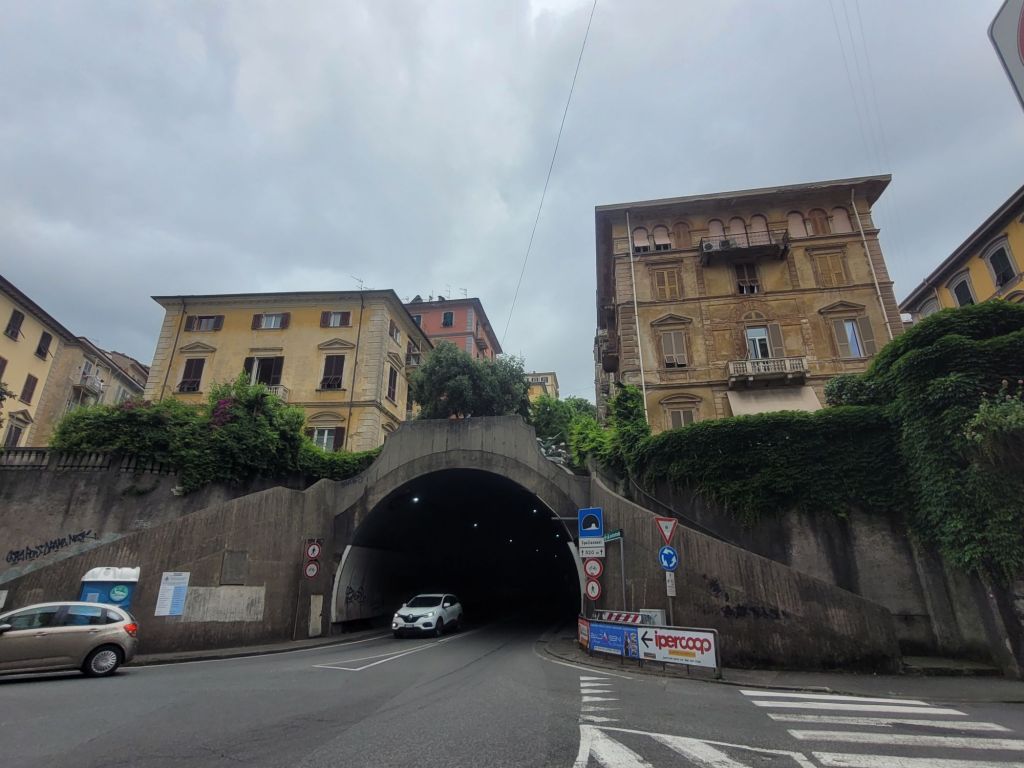
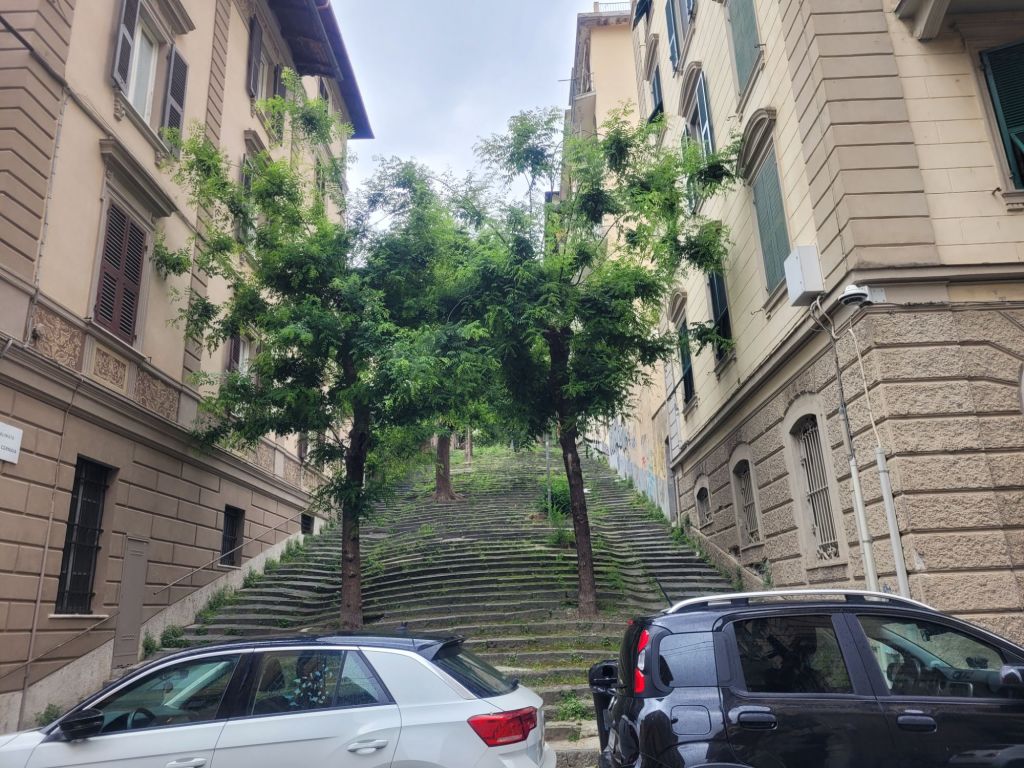

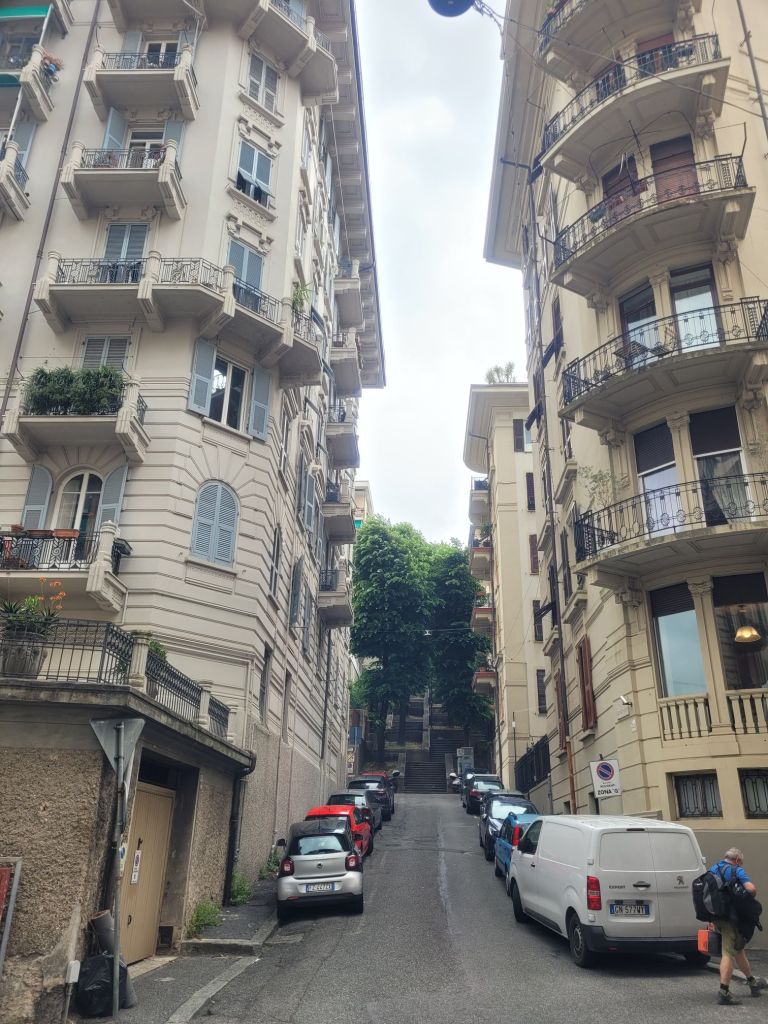

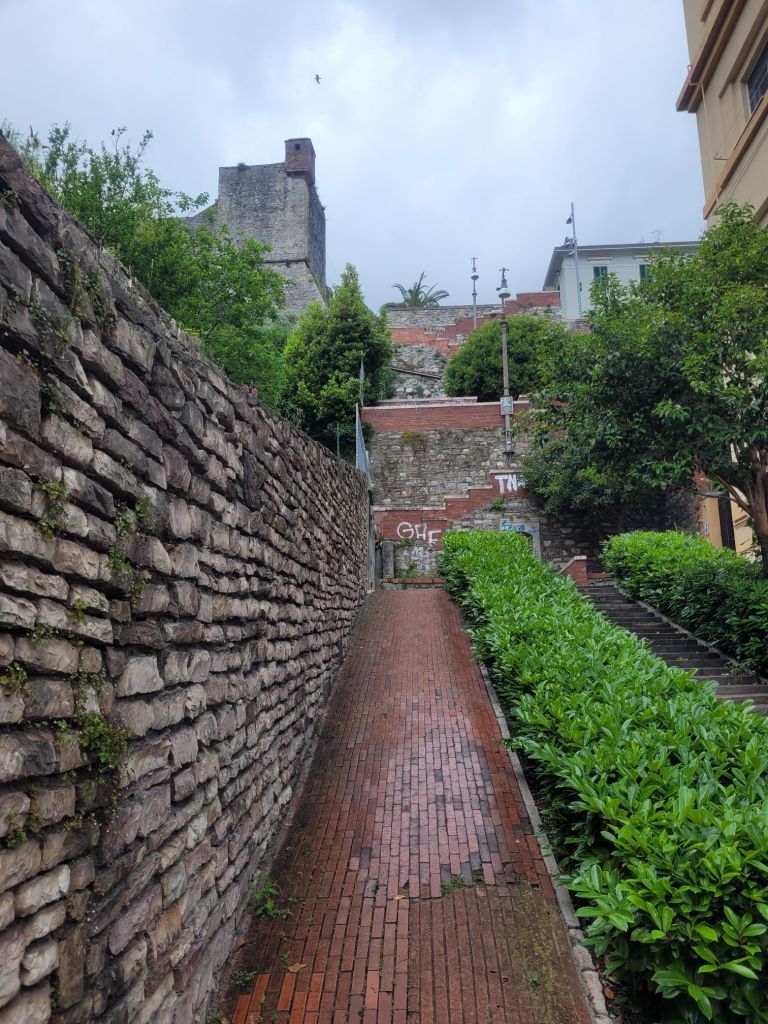
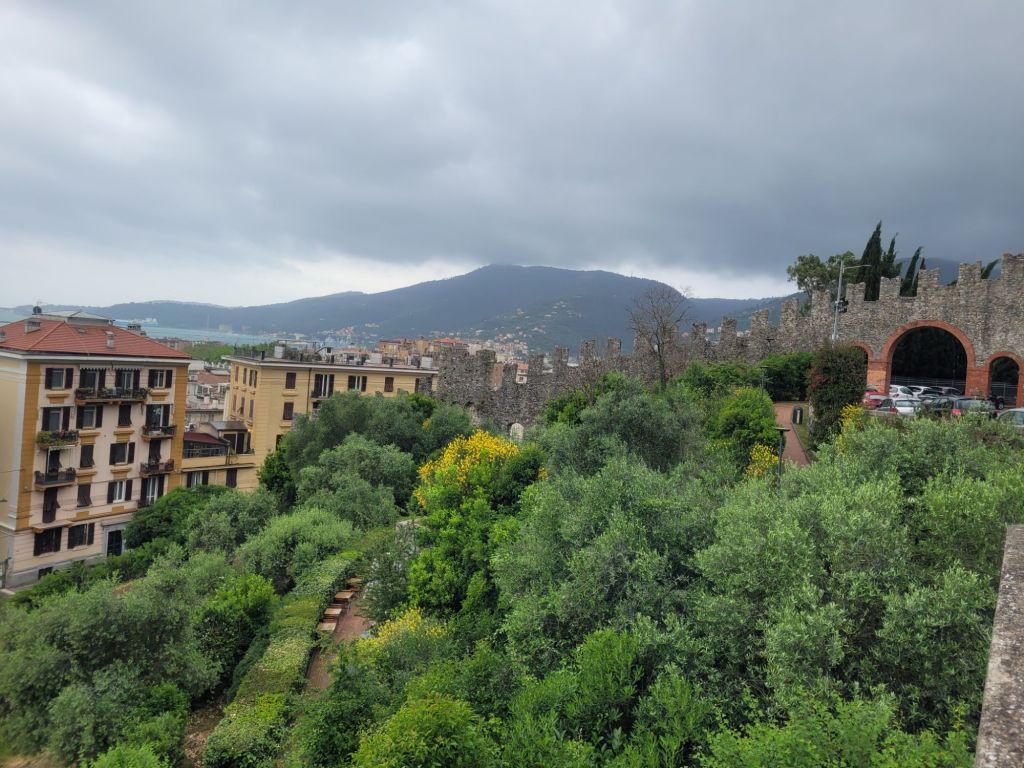
At the top of the hill, next to an elevator that wasn’t working, was the castle of St Georgio (that St George gets everywhere too!) with fabulous views and housing a rather odd selection of remains. We came away with a greater understanding of the sophistication of the pre-Roman Ligurian tribes, but not much else. Rain rolled in just as we started down.

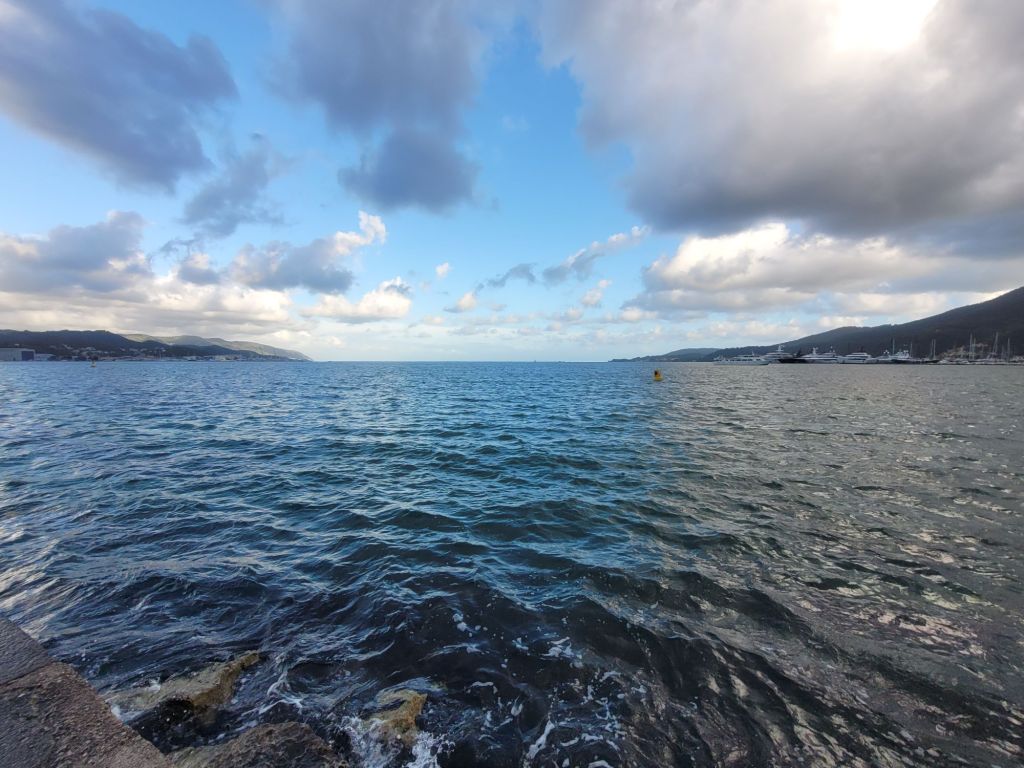
At the very end of the fishing dock, the view of the bay opened out beyond the range of large and small craft. Because the buildings weren’t so obvious, there was an echo of the bay that captured the imagination of all those authors over the year. And it was quite, quite lovely.
La Spezia was a good place to stop off before heading to Pisa, especially as there was a train strike on our travel day; we could leave early and get to Pisa with plenty of time to spare. But we won’t be returning here. Ever.
Time to go home.
 Retired? What now?