As the road climbed gently out of Mertola, the fog burned off leaving a sparkling blue sky. Gently rolling, stony scrubland gave way to flatter, more fertile pastures – sheep, goats, cattle. There were fields full of what looked like holm oaks, but not a pig in sight.
Bearing north, the route joined the Alentejo wine route and pasture was replaced with vines and olive trees. Apparently Spanish producers have moved in and planted swathes of olive plantations, much to the disgust of some Portuguese.
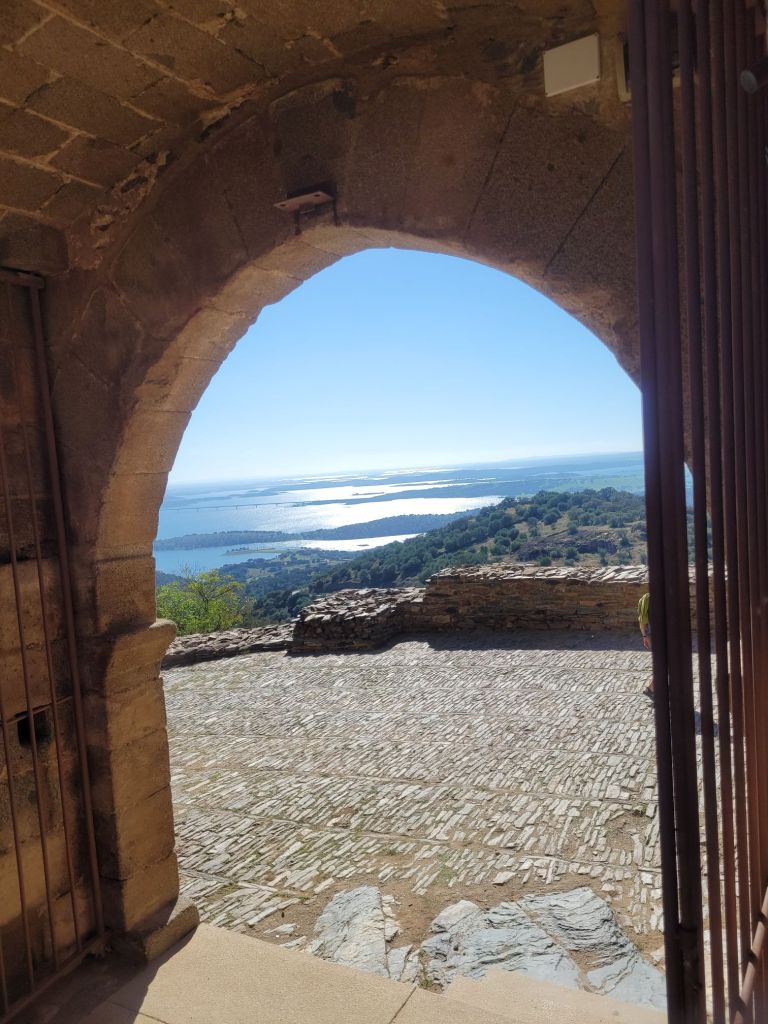
Re-joining the Guadian river just where it was dammed, forming the enormous Alqueva Reservoir (the Alqueva dam was completed in 2002), a vast span of water opened out – like an inland sea. Perched above this, close to the Spanish border, is the castle of Monsaraz.
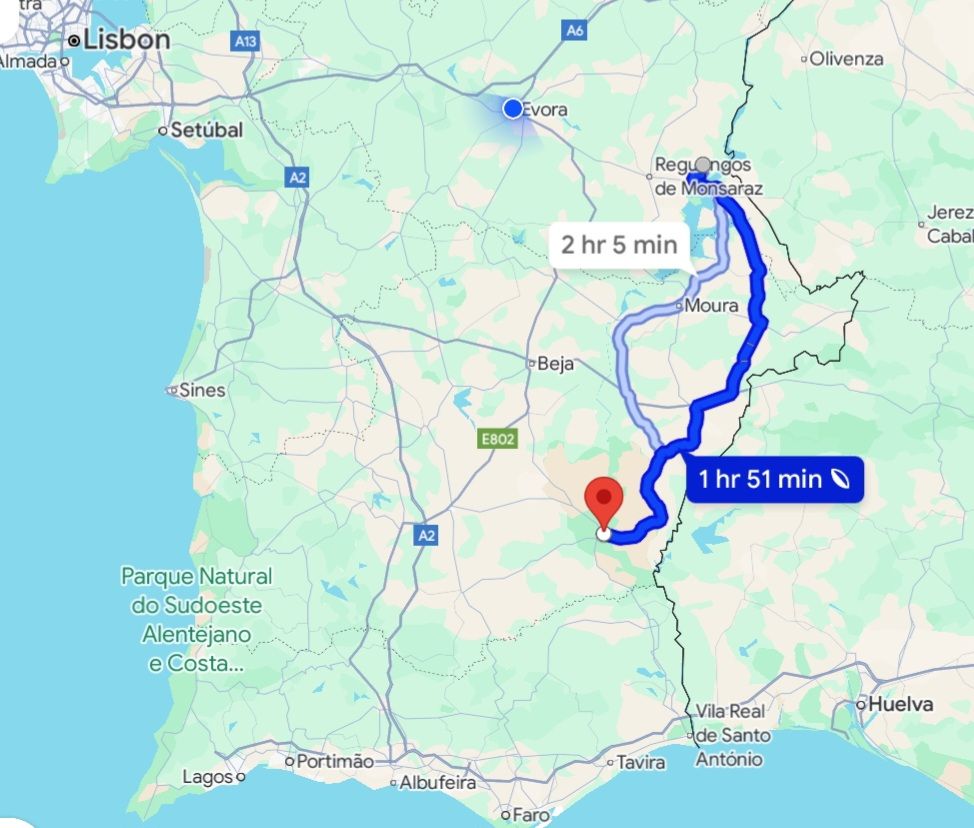
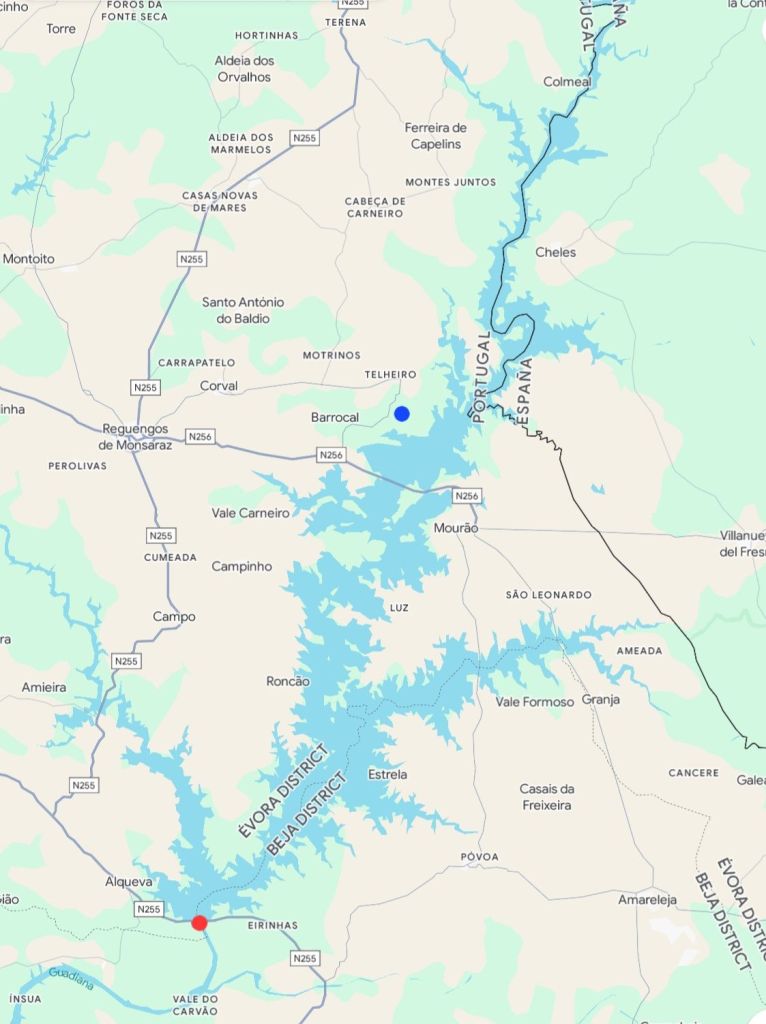
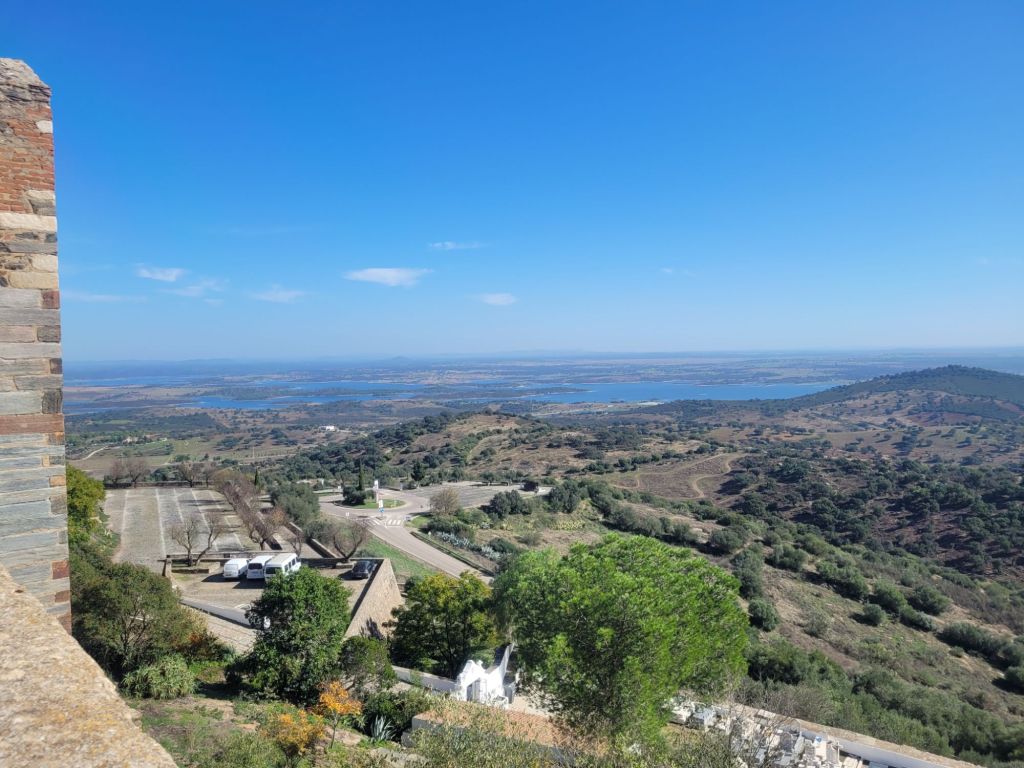
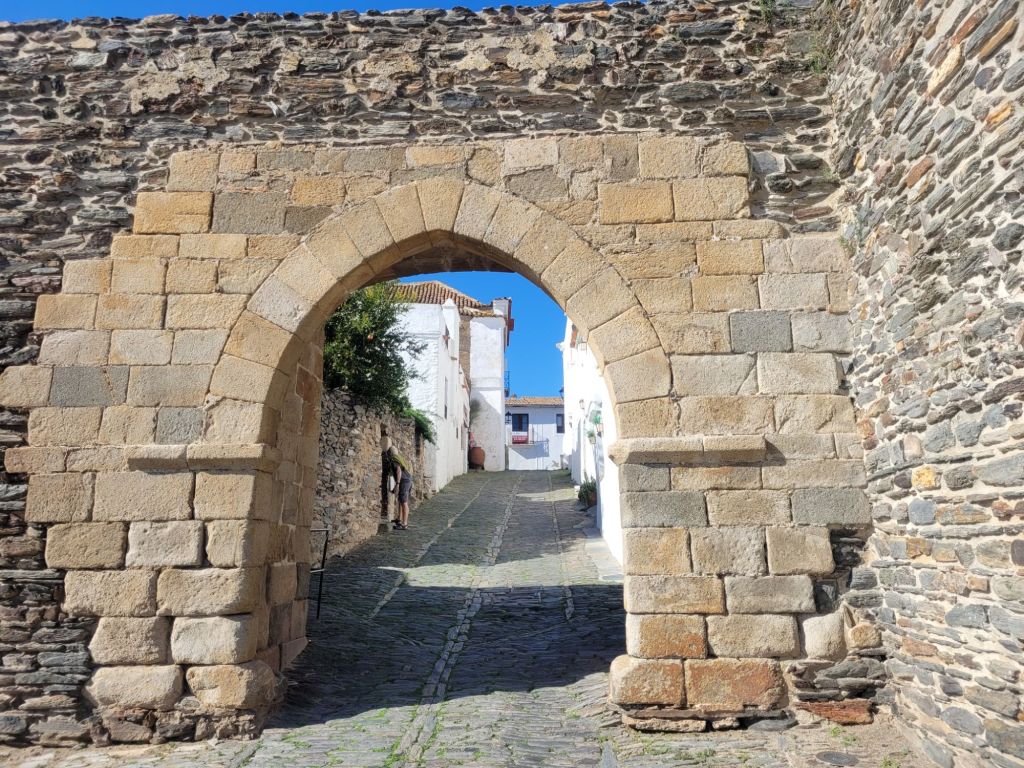
Monsaraz sits on a promontory, just above what is now water but would have been a shallow river valley westwards and Spain eastwards. Given its position, it has been inhabited for thousands of years, with megalithic remains dotted about the area. The Romans built over a pre-existing fortification and it was occupied by the Visigoths, the Moors and just about everone else of importance since then. Once on the castle walls, it’s easy to see why – the views are immense.
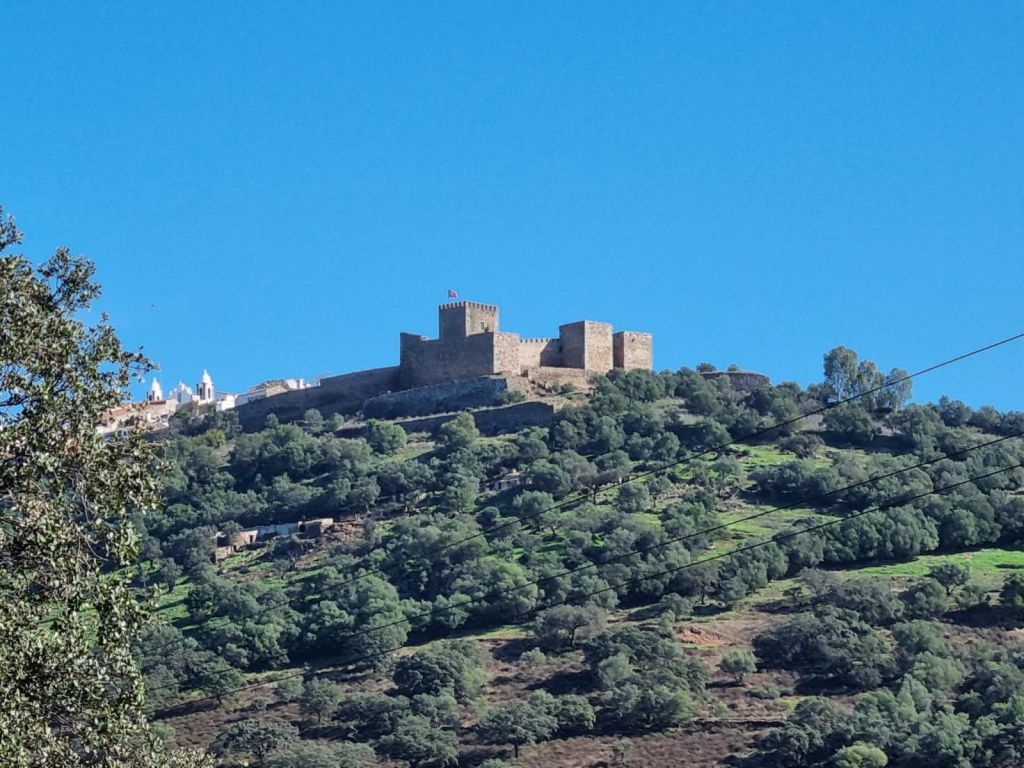
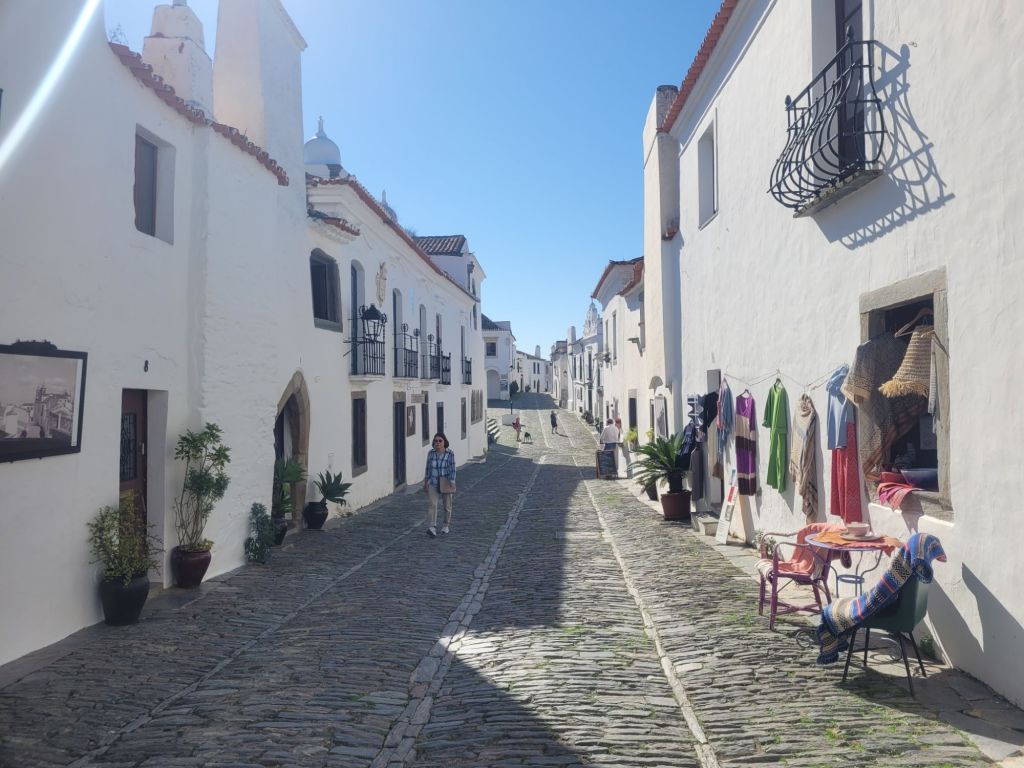
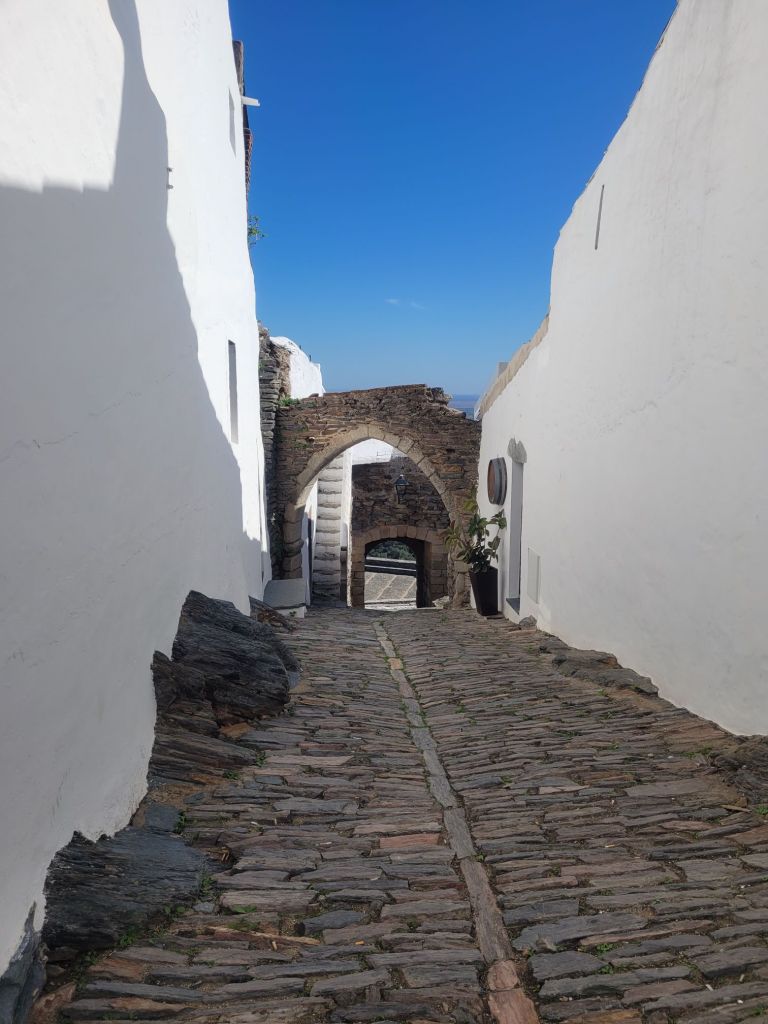
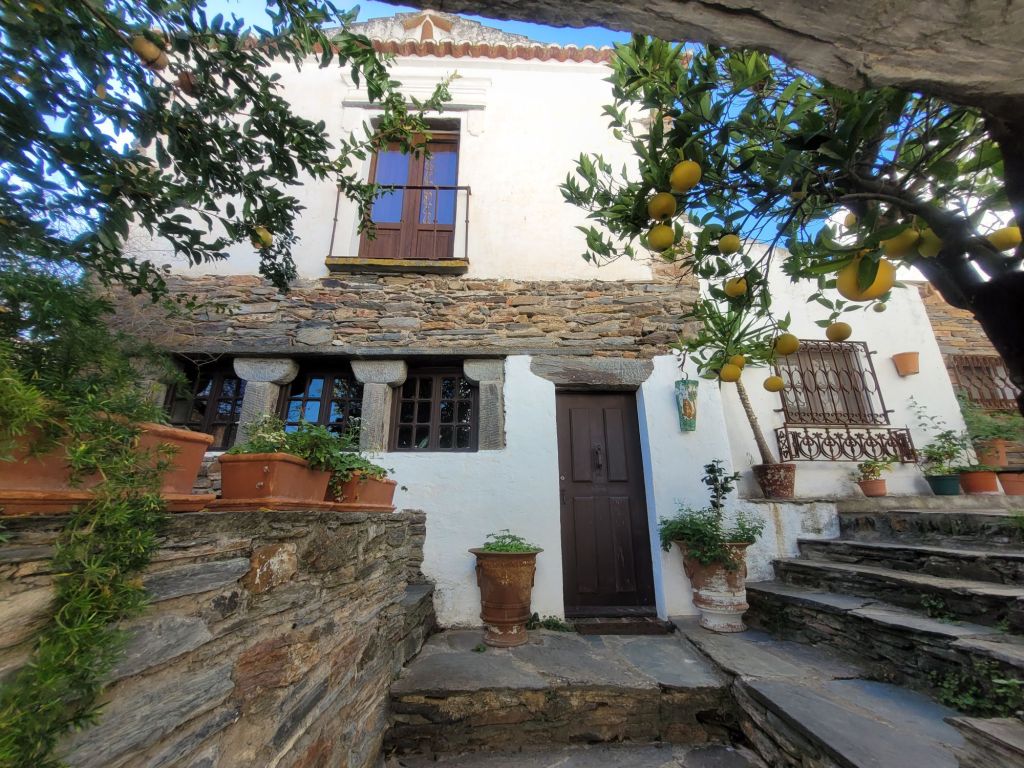
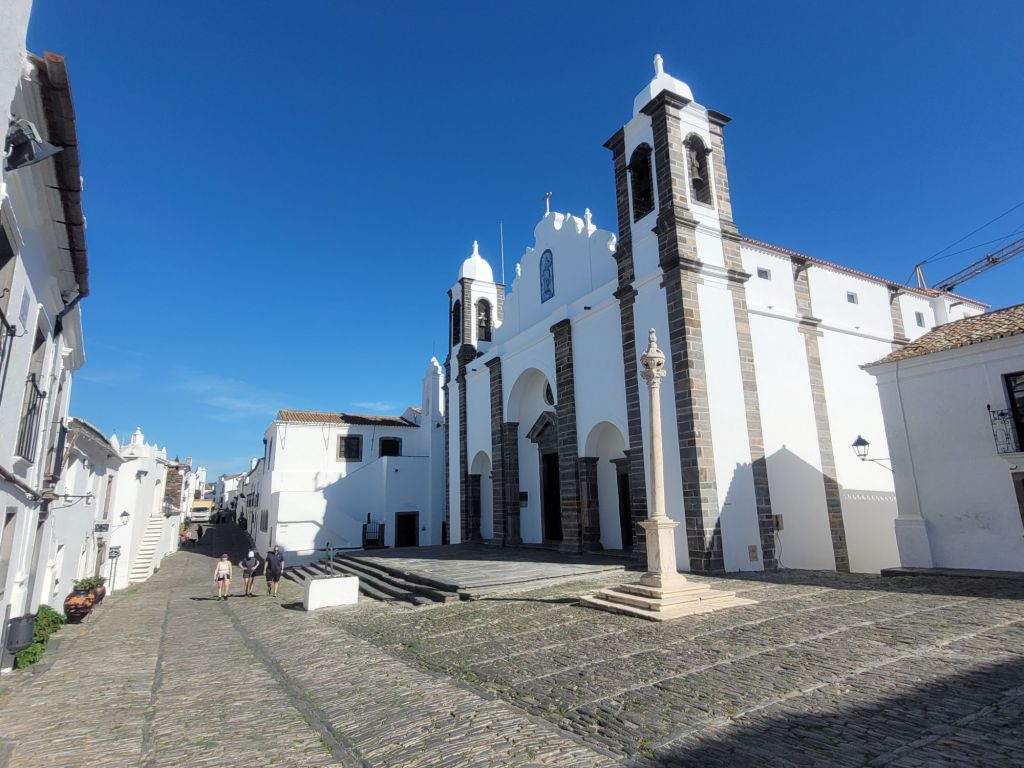
The town itself around the castle is extremely pretty and has been consciously tidied up to present a picturesque tourist experience – it is hightly unlikely that many ‘real’ people live in the houses and although there were shops of local ‘artesania’, there didn’t appear to be anywhere inside the fortifications to purchase everyday supplies. In the 1970s a couple of photographers travelled around Alentejo documenting village life in the more remote parts of the province; the prints that relate to Monsaraz are displayed along the streets, a reminder of a lifestyle that has since been lost.
It’s all about the views here:

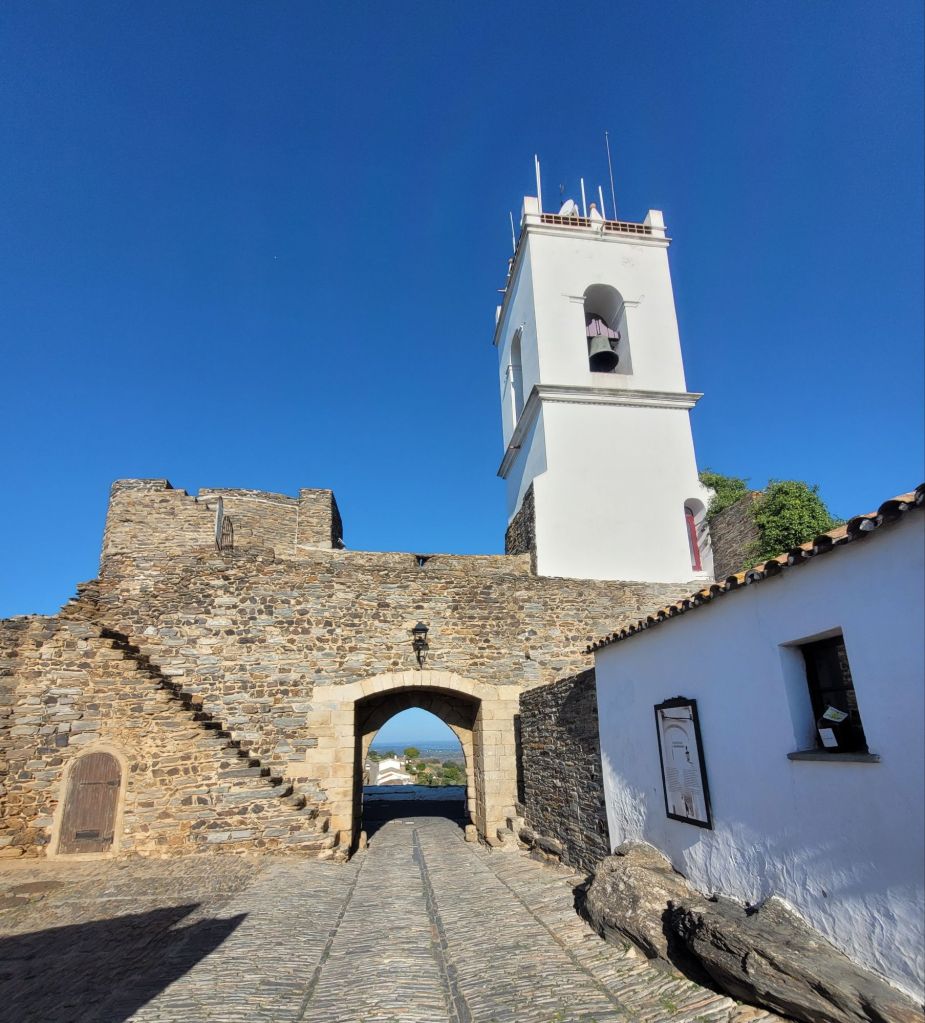
It’s pretty and we had a great lunch in a tiny (four tables) cafe (O Gaspacho) with a limited (but delicious) menu – best ham we had in Portugal.
From Monsaraz, it was just over an hour’s drive to Evora, through fields of tightly planted olives and golden-brown vines at the end of their season. In one huge field of vines, a neat fence surrounded a small cluster of large, smooth stones; a board stood next to the stones. A prehistoric site? Possibly.
Evora was chosen for its importance in the Roman world, standing as it did on the cross-roads of two large Roman roads, one of which led east to Merida, capital of Lusitania. With high expectations of significant ‘Roman-ness’, it was hardly surprising that we were disappointed.
The university in Evora is the second oldest and one of the largest in Portugal (and carries significant prestige); students dressed in their black gowns are everywhere.
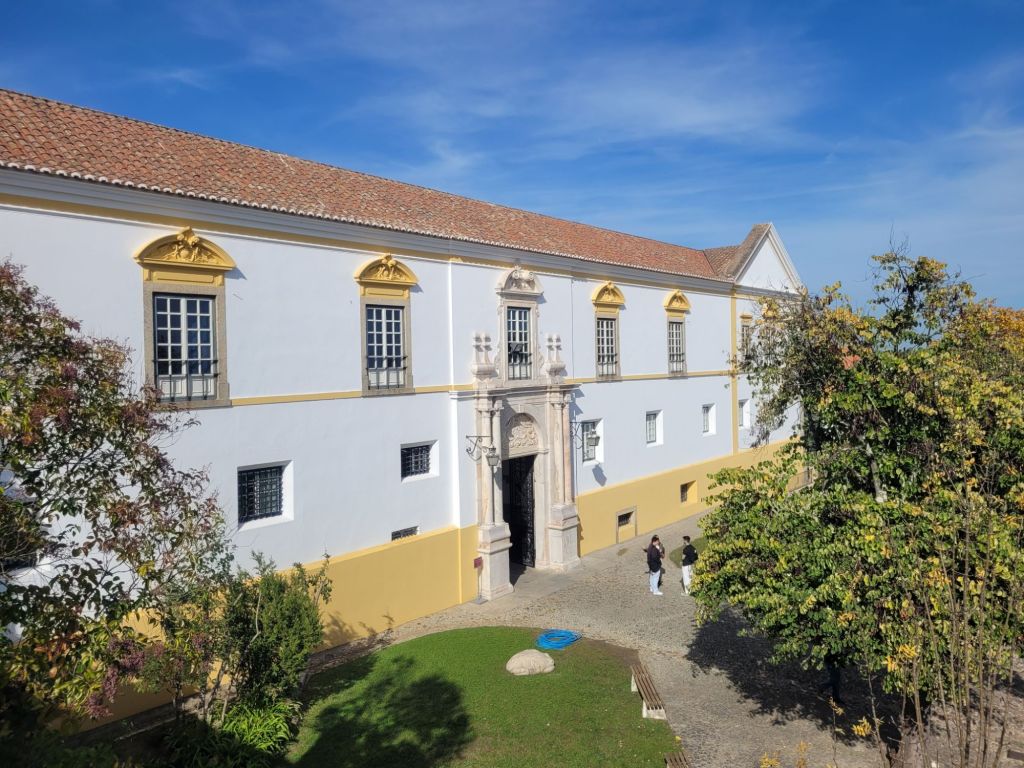
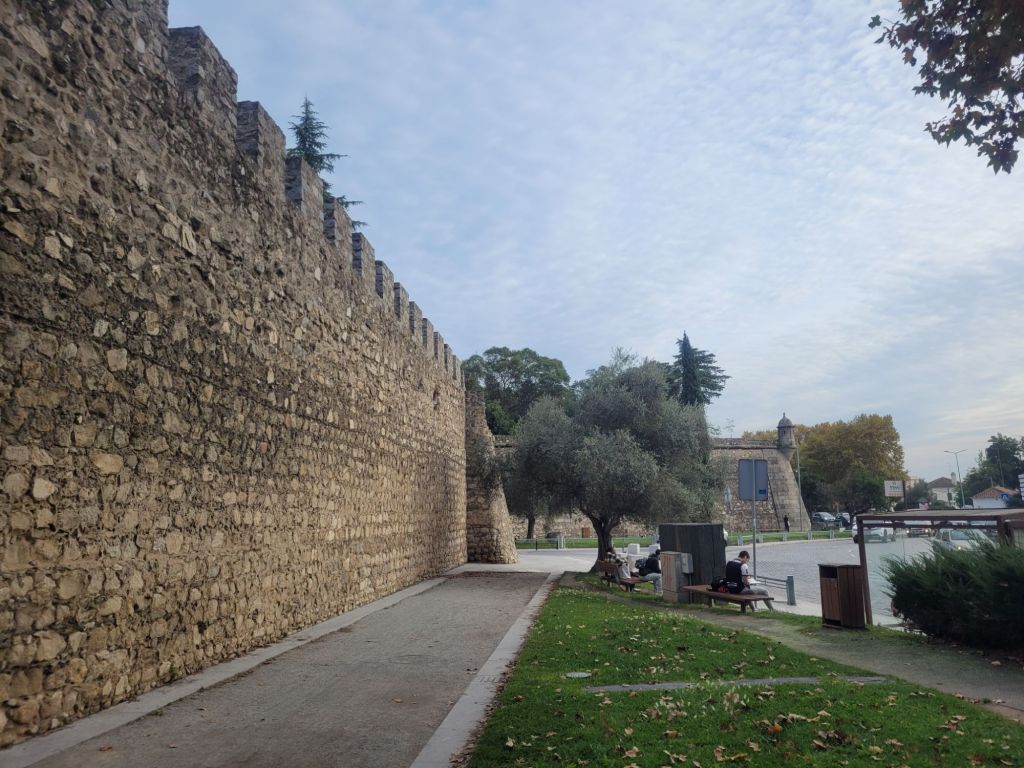
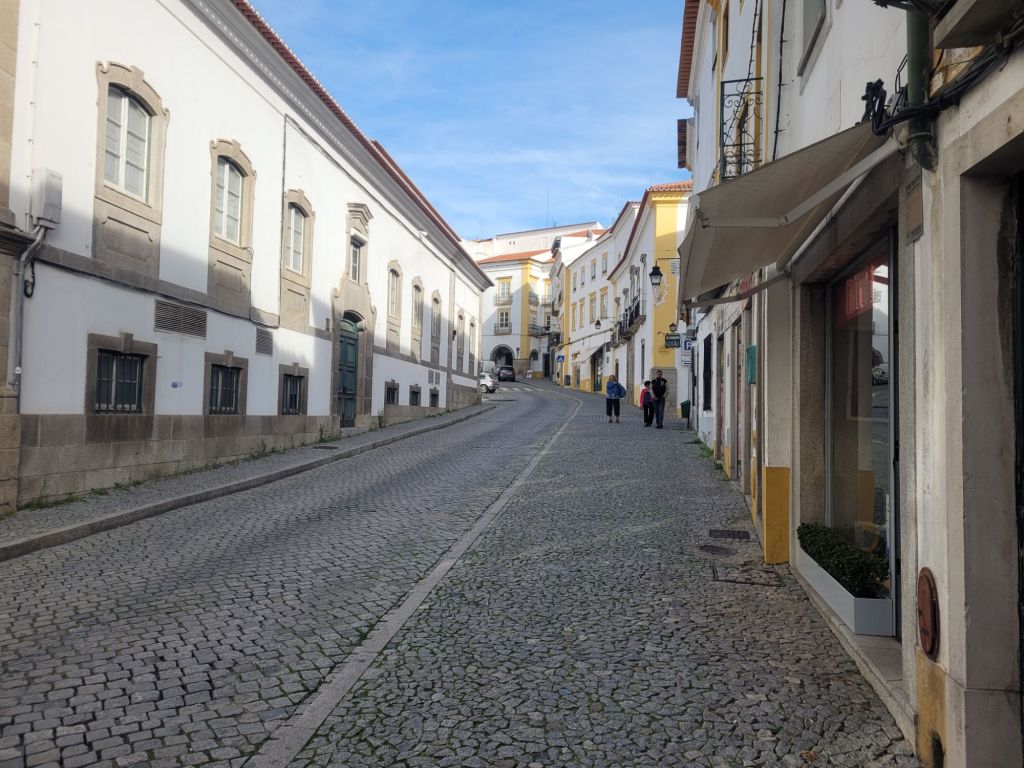
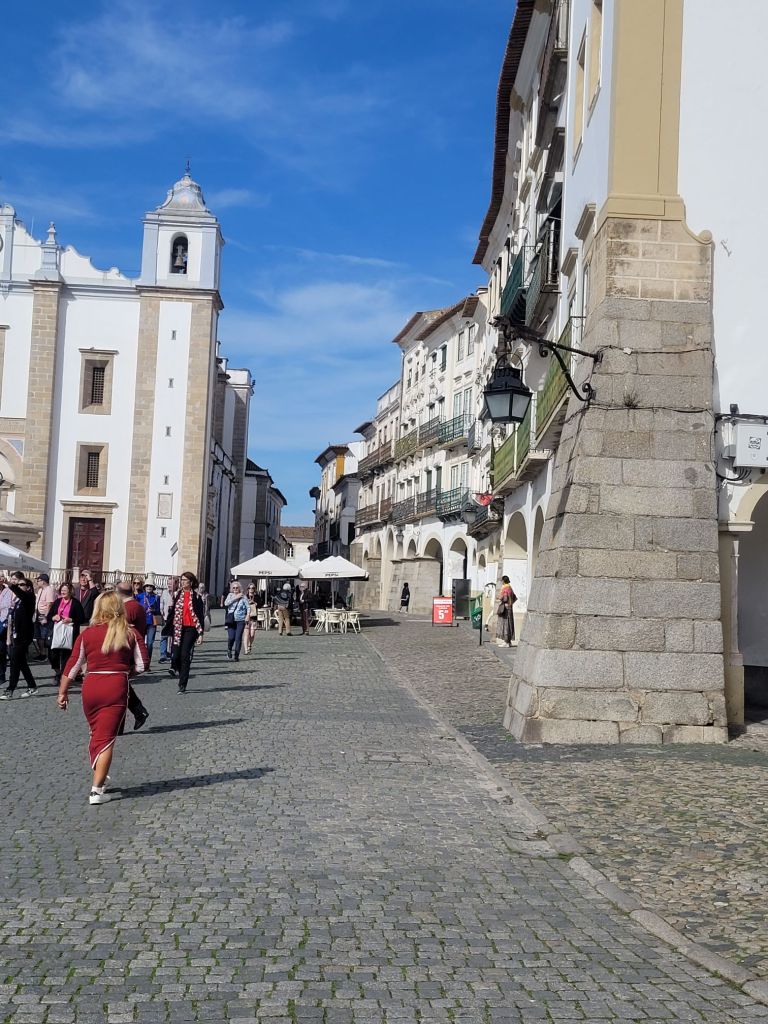
The town is pretty, with lovely streets, elegant buildings, a nice park, huge walls and some good restaurants.

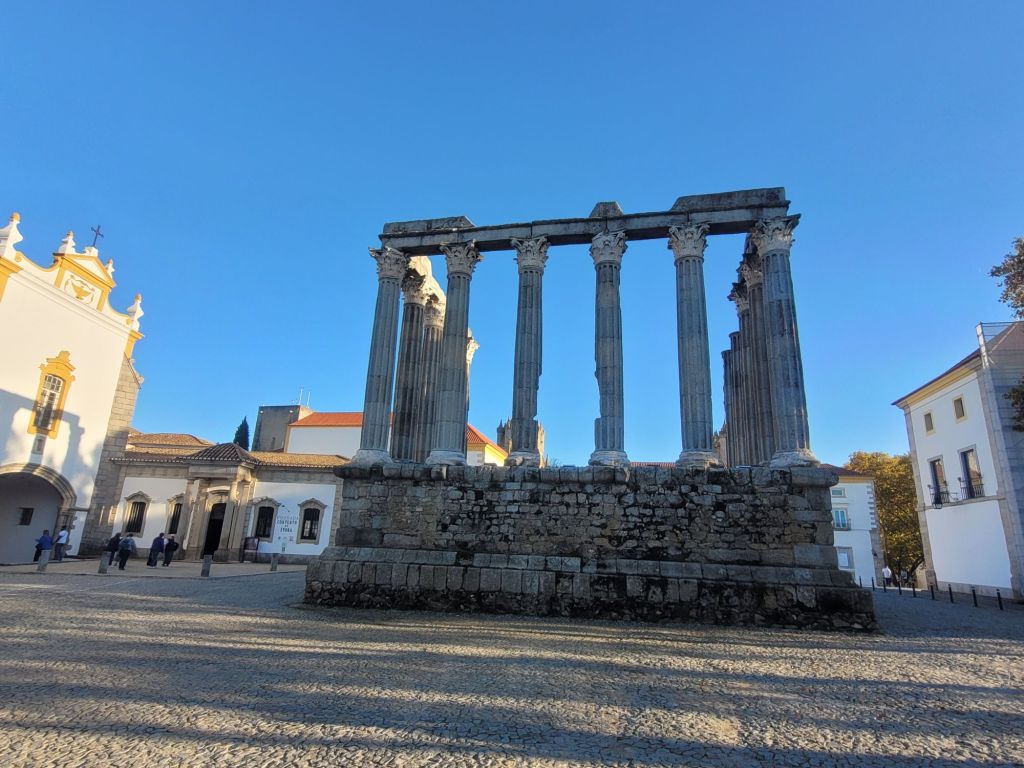
Roman, however, it itsn’t. There is one (ONE) street level ruin – the remains of a temple to the Imperium – and some Roman baths (which were closed). We did feel slightly cheated, and regretted spending three nights there. Two would have sufficed.


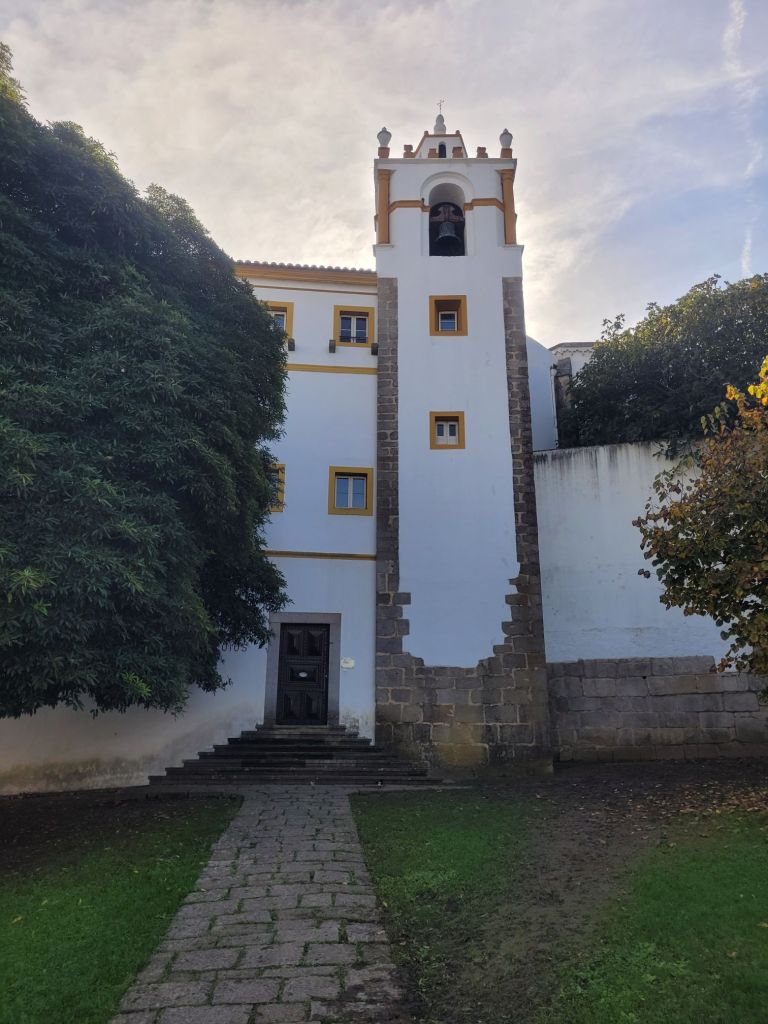
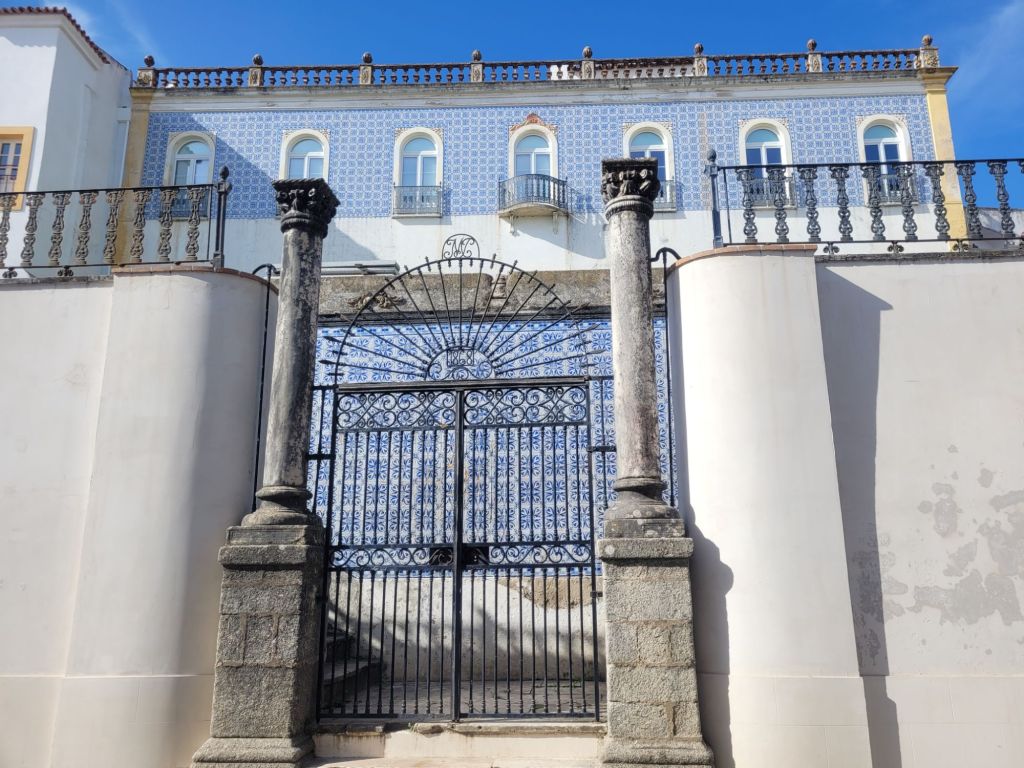
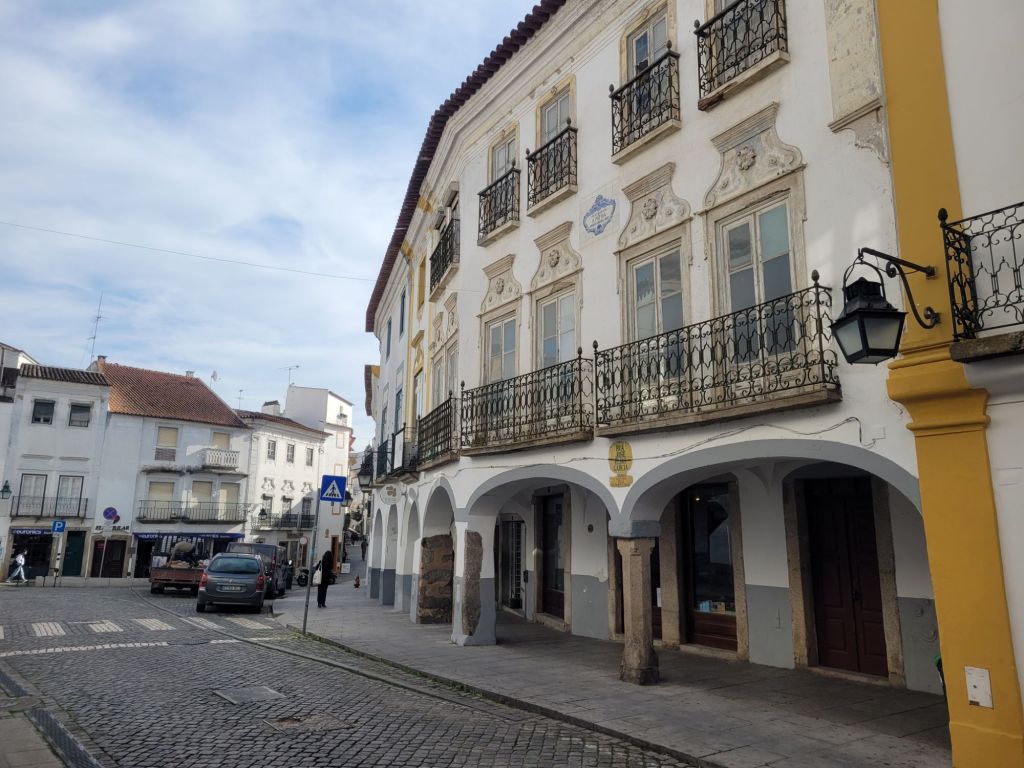
There is an aqueduct, which has been cunningly incorporated into later buildings, but what is currently visible isn´t roman (although it was probably built on a pre-existing Roman aqueduct). What can be seen now was completed in the mid-16th century. It may not be Roman (and let’s face it, they built impressive aqueducts) but it was amusing to see how subsequent city building was fudged to accomodate it.
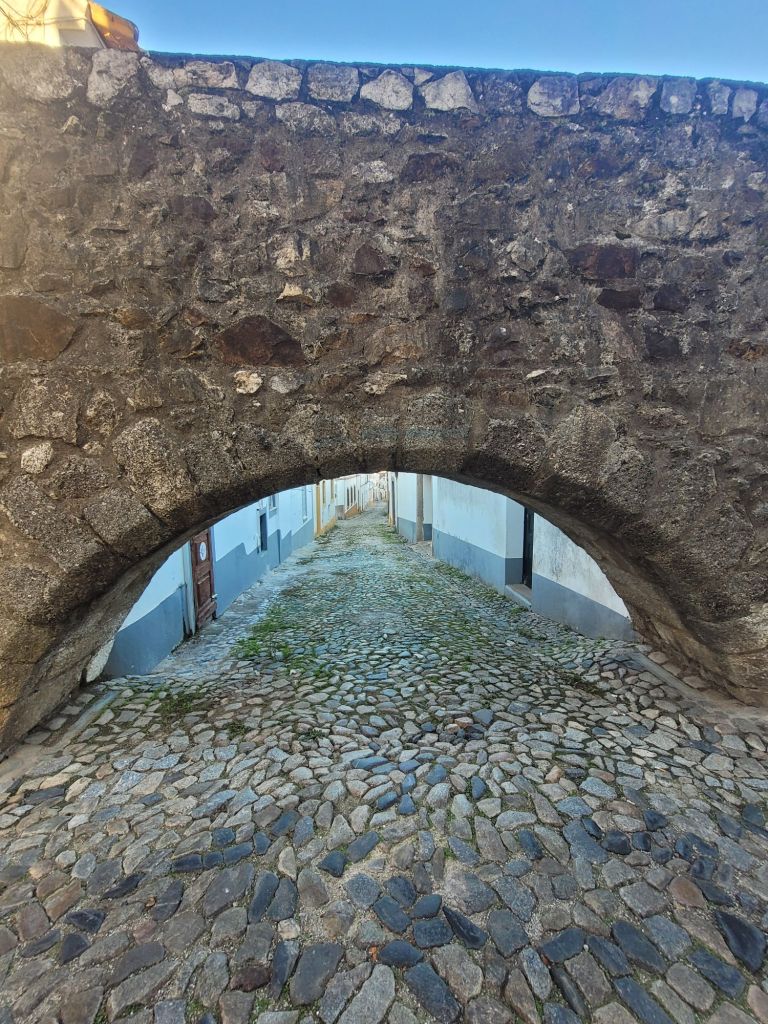
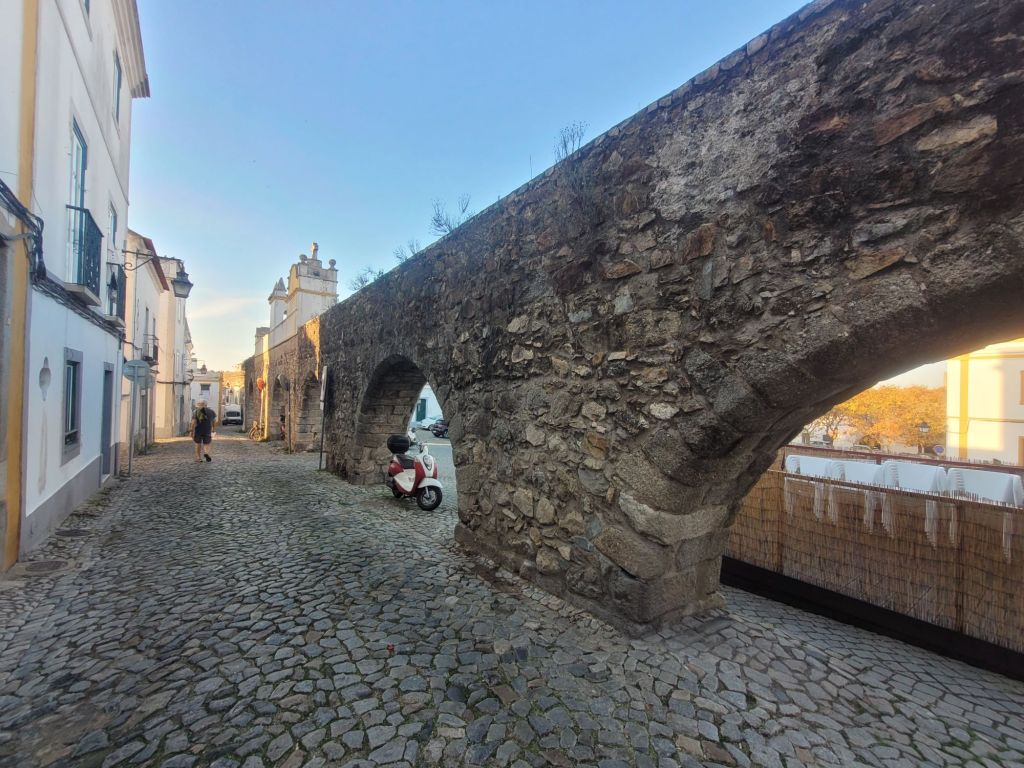
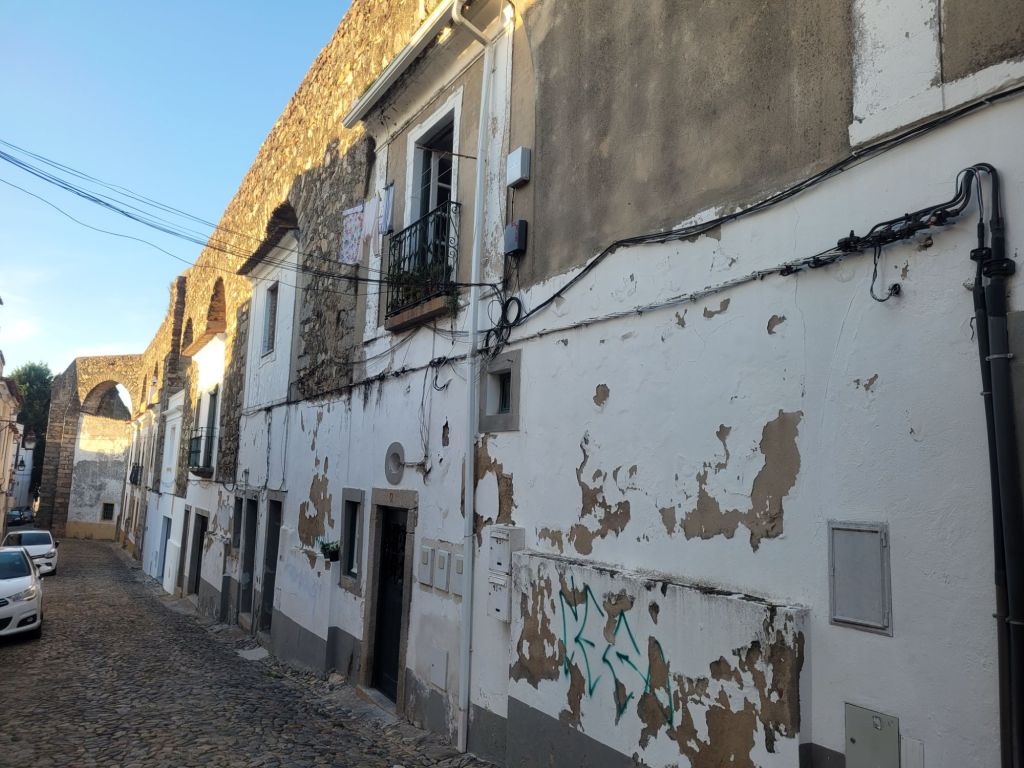
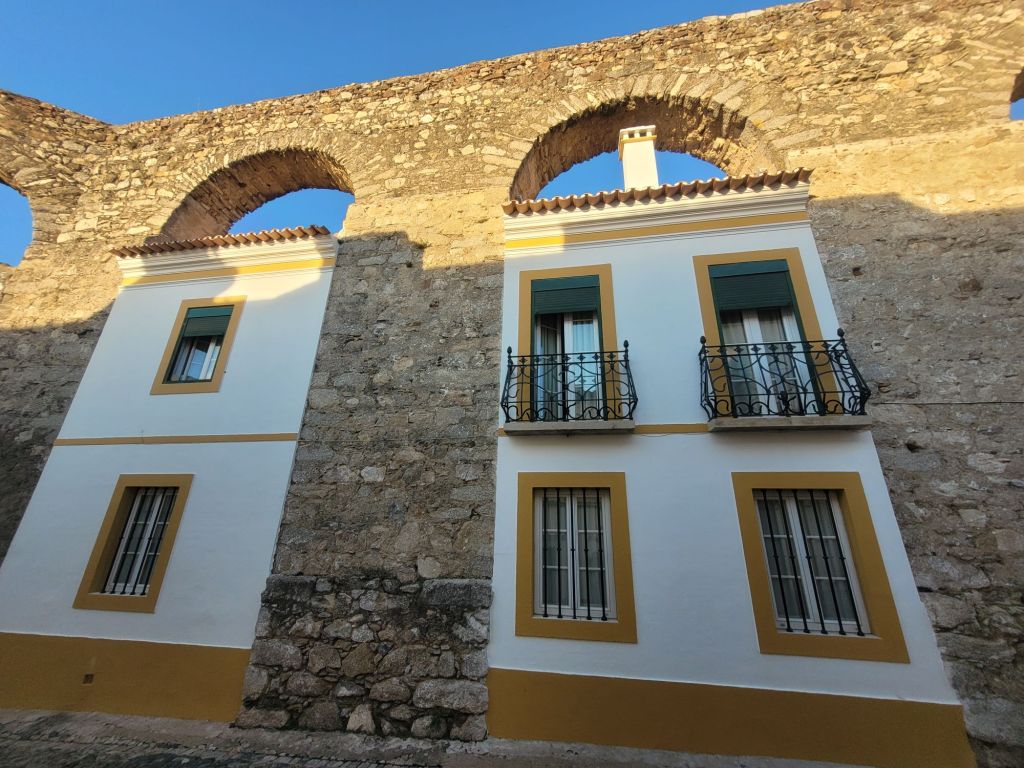
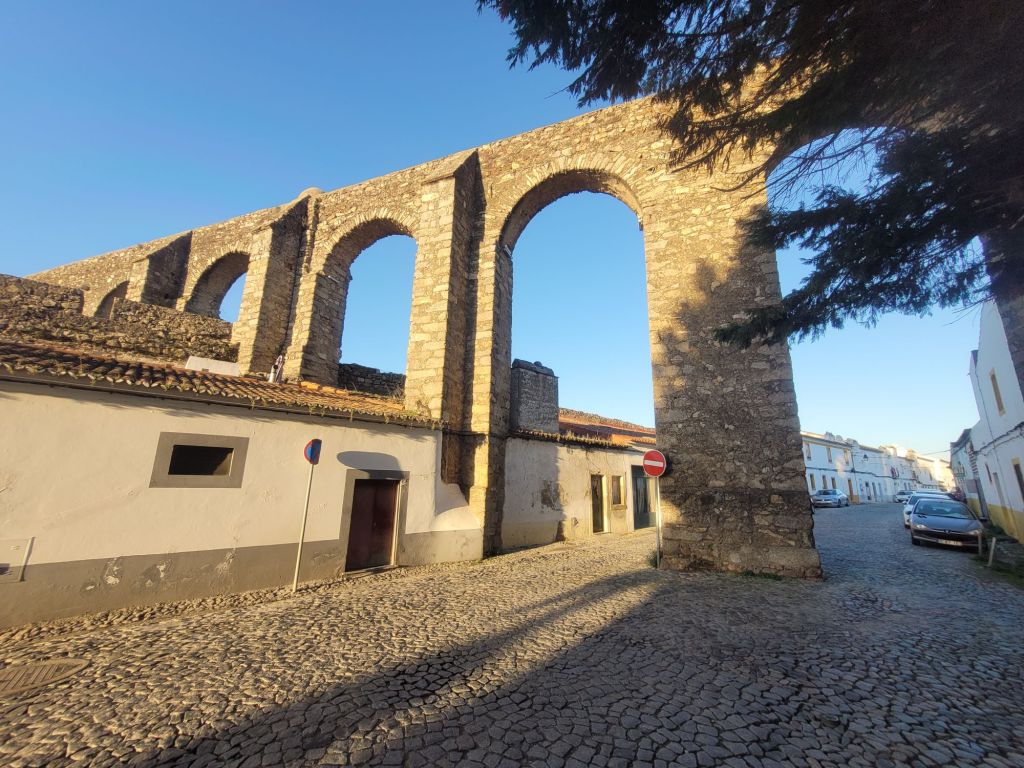
In places, the streets are narrow enough that car-flation (or just poor driving choices) have left their mark. We watched one large SUV inch its way round a corner – 15 manoeuvers later we got bored and walked around it. Don’t try to drive within the town!
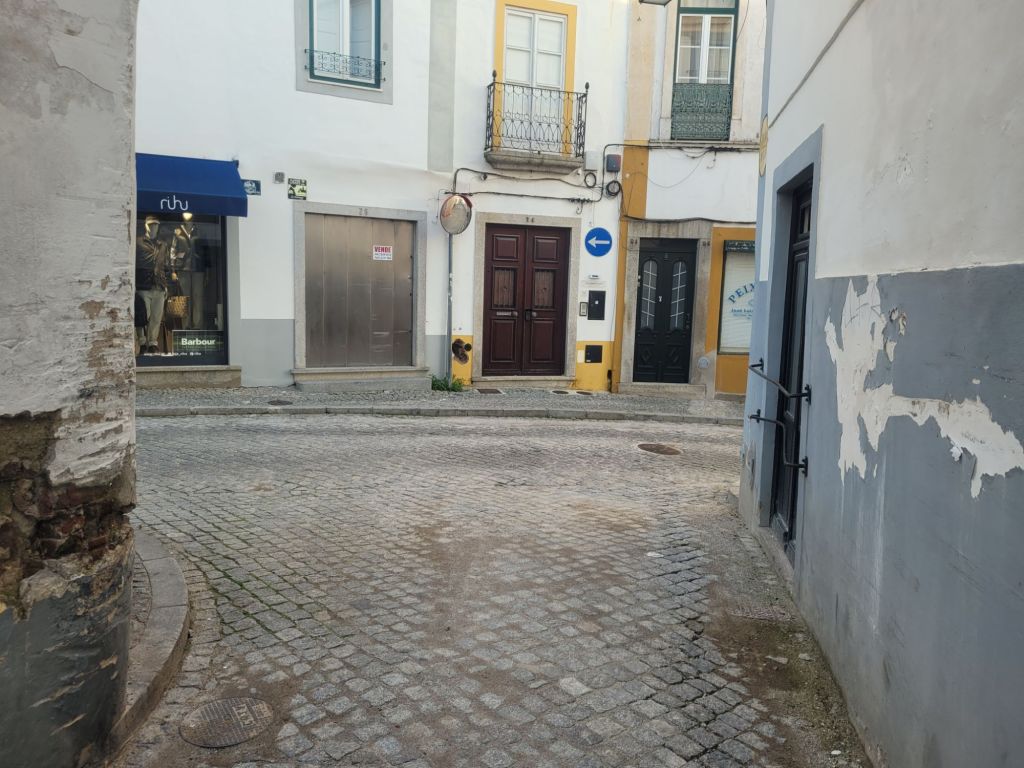
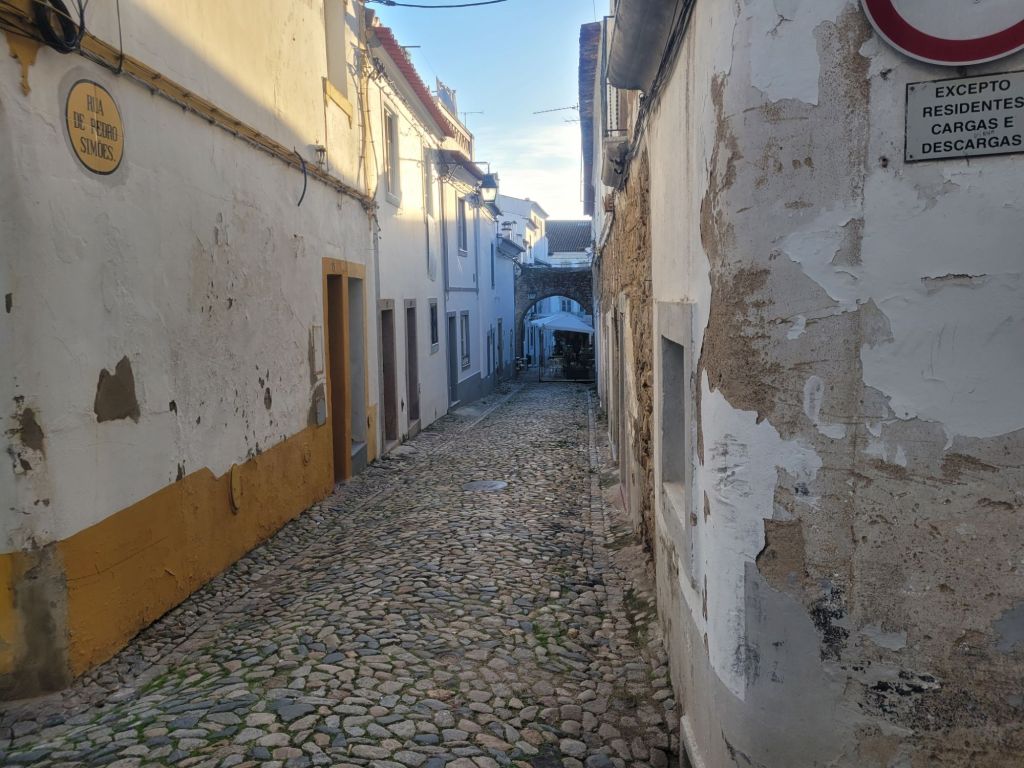
Evora was a really important Roman town; that importance isn’t reflected in its Roman remains. All Moorish remains have been erased and what remains is a pretty 17th/18th century town with a large student population – so it isn’t clear why the Roman aspect is laboured in the guide books. It’s definitely a tourist destination, given the road of tourist shops and the number of walking tours. But it’s not the standard tourist tat, nor is the tourism so overbearing that there are no locals. Worth a visit, but probably not for more than two nights. I doubt we will be revisiting.
 Retired? What now?